Stratford-upon-Avon
Shakespeare's town, the RSC and the slow-moving Avon
Photo © Google Maps contributors, Google Maps
Stratford-upon-Avon sits on the middle reaches of the River Avon in south Warwickshire, roughly where the flat market country of the Feldon meets the first rising ground of the Cotswolds. It is a market town of about 30,000 people that has been laid out on the same grid since the Bishop of Worcester chartered it in 1196, and the street names give the plan away: Sheep Street, Wood Street, Rother Street, all pointing back to the trades that once filled them. The town would be a pleasant enough Midlands market town on its own account. That it is one of the most visited places in England outside London comes down to a glover's son born here in April 1564.
The Shakespeare connection shapes almost everything a visitor sees, but it does not flatten the place. Stratford still holds its Friday market on Rother Street, still floods gently along the Avon meadows in a wet winter, and still empties out on a Tuesday in February to something close to ordinary. What the town does have, unusually for its size, is a full-scale producing theatre company at its centre. The Royal Shakespeare Company works from two auditoria on Waterside, and its presence gives Stratford a genuine cultural weight and a rhythm that runs to curtain-up rather than to closing time.
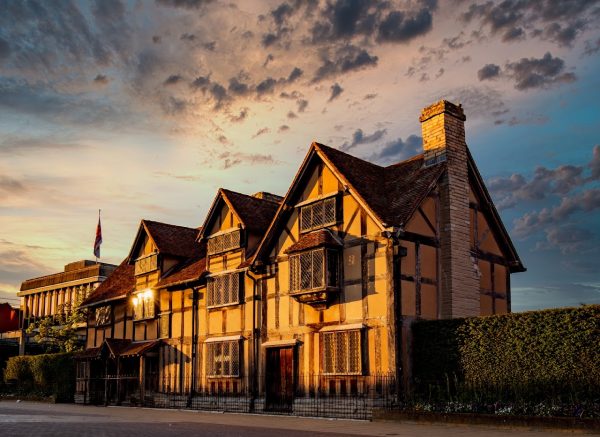
Physically the town is compact and almost entirely walkable. From the railway station on the western edge to the river is about ten minutes on foot, and the five Shakespeare family properties, three in town and two in surrounding villages, can be reached without a car if you are willing to walk or take the seasonal hop-on bus. The half-timbered frontages along Henley Street and Chapel Street are the postcard image, though a good deal of what surrounds them is handsome Georgian brick, and the Victorian arrival of the railway added the terraced streets north of the centre where much of the town actually lives.
Getting to Stratford-upon-Avon
Chiltern Railways runs a direct service from London Marylebone to Stratford-upon-Avon, usually about every hour, taking roughly two hours twenty minutes. Advance singles start low if you book ahead, and the line runs through Warwick and Leamington Spa, both worth a stop. From Birmingham, local services from Snow Hill and Moor Street take around fifty minutes to an hour and run frequently, which makes Stratford an easy day out from the second city. There are two stations: Stratford-upon-Avon, five minutes' walk from the centre, and Stratford-upon-Avon Parkway on the northern edge, which is aimed at drivers and has its own car park.
By road the usual approach is the M40. Leave at junction 15 near Warwick and follow the A46 south-west for about ten miles, or come off at junction 12 and use the A429 if you are heading for the southern side of town. From the west and the Cotswolds the A46 and A3400 both feed in. Town centre parking is plentiful but not cheap in summer: the largest options are Bridgeway and the Recreation Ground on the Swan's Nest side, with the Windsor Street multi-storey closest to the shops. On busy weekends the park and ride at Bishopton, north of town on the A3400, is a great deal less stressful than circling Bridgefoot.
Birmingham Airport is the nearest major airport, about twenty-five miles north and reachable in around forty minutes by car, or by rail with a change at Birmingham Moor Street or Leamington. Coventry, Warwick and Leamington Spa are all within half an hour by road, which matters if you want a wider choice of accommodation.
Best time to visit Stratford-upon-Avon
Spring is arguably the best of it. April brings the Shakespeare birthday celebrations around the 23rd, the Avon meadows are green, the cottage gardens at Shottery and Wilmcote come into their own, and the Vale of Evesham asparagus season starts just to the south-west. Crowds build over Easter but the town has not yet reached high-summer density.
Summer is the busiest stretch by a wide margin. July and August bring coach parties, long queues at the Birthplace and full car parks by mid-morning, but also the fullest theatre programme, river boats running all day and long light evenings on Bancroft Gardens. Book accommodation and theatre tickets well ahead, and consider visiting the Shakespeare properties either at opening or in the last two hours of the day.
Autumn suits people who want the town without the pressure. September and October are quieter, the beech and lime turn along the river walks, and the surrounding Cotswold and Warwickshire lanes are at their best for driving and cycling. Rates drop noticeably from late September.
Winter is genuinely low season. The Shakespeare properties operate reduced hours and some outlying sites close entirely, but the RSC keeps working, the Christmas market and lights brighten Bridge Street through December, and hotel prices in January and February are the lowest of the year. The Avon can flood after prolonged rain, which occasionally closes the riverside paths.
Where to stay in Stratford-upon-Avon(52)
All hotels in Stratford-upon-Avon →About staying in Stratford-upon-Avon
Choosing a base in Stratford-upon-Avon comes down to one question first: are you here for the theatre, or for the countryside around it? The answer changes everything else. If you have tickets at the Royal Shakespeare Theatre or the Swan, staying within the town centre is worth paying for. Performances often finish late, the walk back to a central hotel takes minutes, and the pre-theatre dining culture on Sheep Street and Waterside is built around exactly that pattern. If instead you are using Stratford as a gateway to the Cotswolds, Warwick and the Vale of Evesham, a country house or village inn five or six miles out will usually give you more room, more grounds and a lower rate for the same standard.
Within the town, the historic core around Chapel Street, Henley Street and Church Street holds the timber-framed and Georgian properties that people picture when they imagine staying here. Rooms in listed buildings are rarely uniform, so it pays to read the descriptions: a beamed room with a sloping floor is charming to some guests and awkward to others. Waterside and the Old Town are quieter than the shopping streets while still being a short walk from everything, and the Swan's Nest side across Clopton Bridge combines parking and gardens with a ten-minute riverside walk into the centre.
The best value in town is generally found on Alcester Road and Grove Road, the western approach near the railway station, where a run of family-run guest houses and small B&Bs offers proper cooked breakfasts, free parking and rates well below the hotels. This is the obvious choice if you are arriving by train from London or Birmingham and do not intend to drive at all.
Book early for anything falling in July, August, the Shakespeare birthday weekend in late April, or a popular RSC opening. Rates in the town centre can double at those points. Conversely, January and February are genuinely cheap, and midweek autumn stays often come in at half the summer price for the same room.
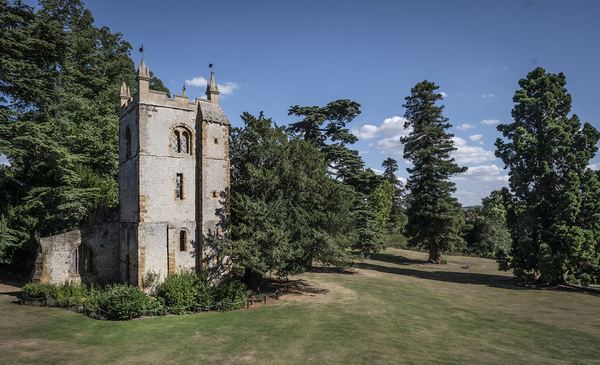 8.8
8.8
Ettington Park Hotel
Alderminster, 6 miles south of Stratford
from £199/night
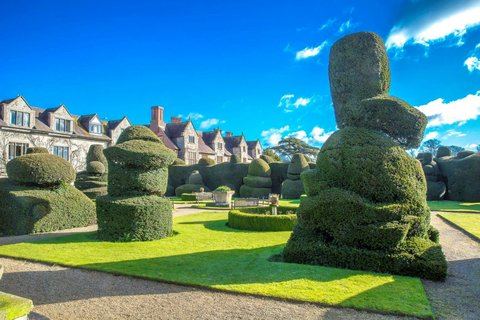 8.5
8.5
Billesley Manor Hotel & Spa
Billesley, 5 miles west of Stratford
from £150/night
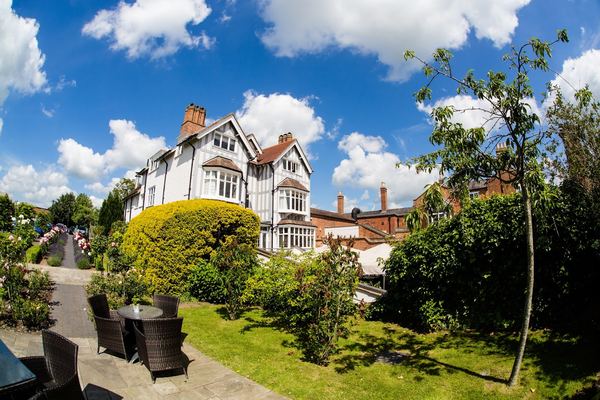 9.2
9.2
The Arden Hotel
Waterside, opposite the RSC theatres
from £165/night
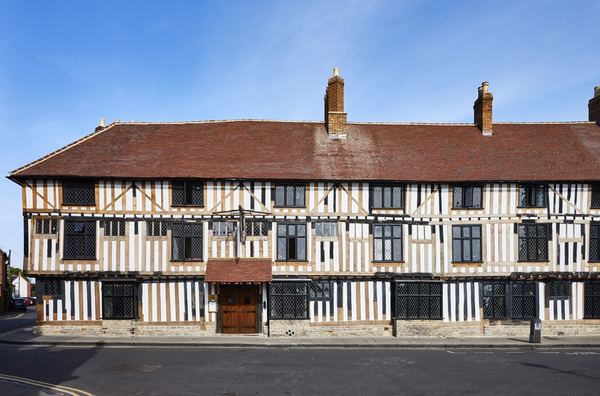 8.7
8.7
Hotel Indigo Stratford-upon-Avon
Chapel Street, town centre
from £135/night
 8.9
8.9
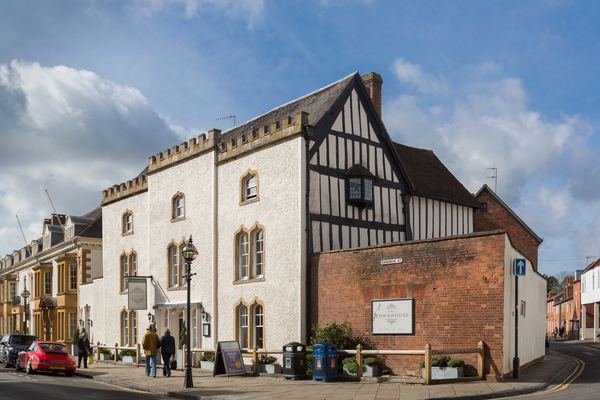
The Stratford Townhouse
Church Street, Old Town
from £120/night
 8.2
8.2
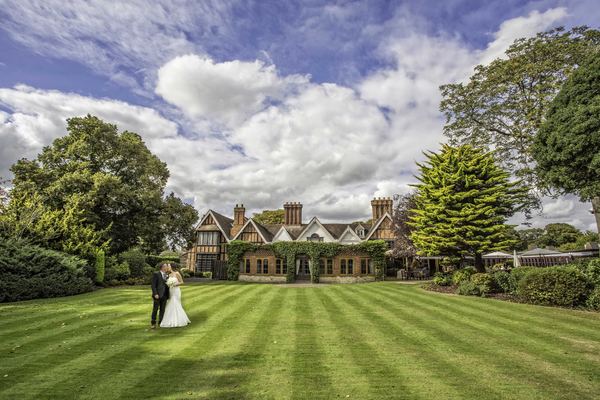
Macdonald Alveston Manor Hotel
Clopton Bridge, across the Avon
from £115/night
 9.4
9.4
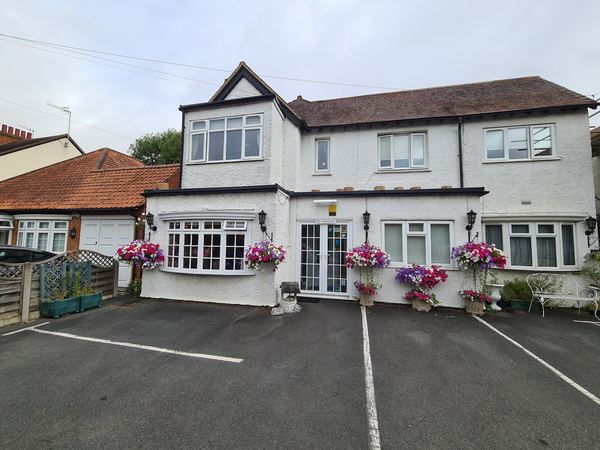
Moonraker House
Alcester Road, near the station
from £95/night
 9.3
9.3
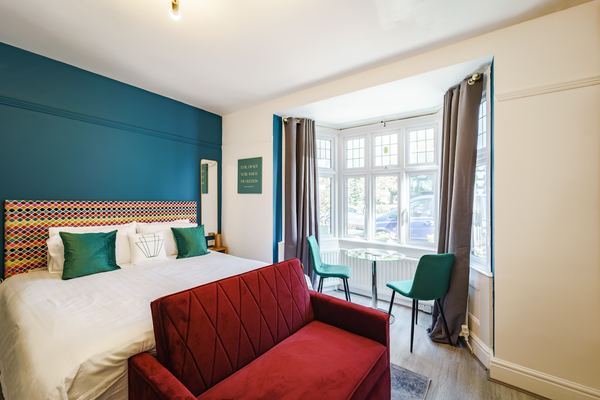
Emerald Stays at The Adelphi Guesthouse
Grove Road, central Stratford
from £85/night
Things to Do in Stratford-upon-Avon(17)
All attractions in Stratford-upon-Avon →Top things to do in Stratford-upon-Avon
A first visit tends to divide between the Shakespeare properties, the theatre and the river. Two full days covers the essentials comfortably; three lets you reach the surrounding countryside.
- Shakespeare's Birthplace — The Henley Street house where he was born and grew up, restored and interpreted by the Shakespeare Birthplace Trust, with the glover's workshop his father used and a garden used for short performances in season.
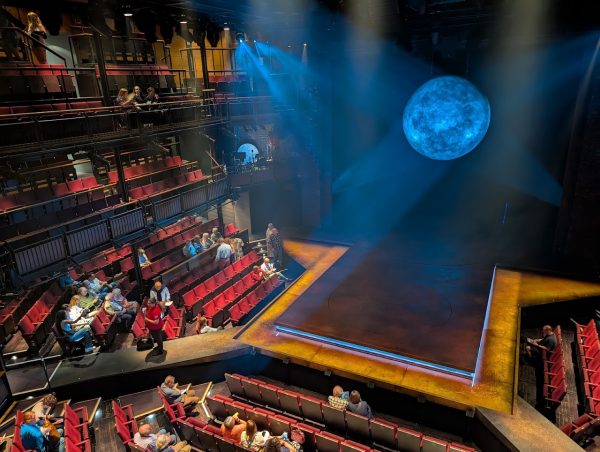
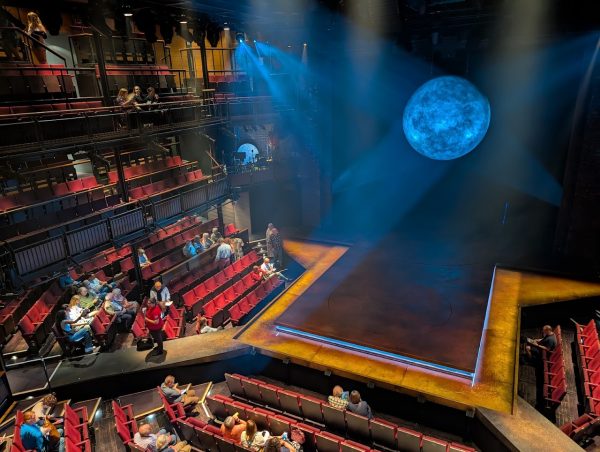
- Royal Shakespeare Theatre — The RSC's main house on Waterside, rebuilt around a thrust stage in 2010; tickets are often available at short notice for weekday matinees, and the tower gives a wide view over the Avon meadows.
- Anne Hathaway's Cottage — The substantial thatched farmhouse in Shottery, a mile west of the centre, where Shakespeare's wife grew up; the gardens, orchard and woodland walk are as much of the visit as the house.
- Holy Trinity Church — The riverside parish church where Shakespeare was baptised and buried, with his grave and the funerary monument set in the chancel, and a fine avenue of limes running down to the door.
- Shakespeare's New Place — The site of the large house he bought in 1597 and died in, now a garden and exhibition rather than a reconstruction, next door to the Tudor Nash's House.
- Mary Arden's Farm — A working Tudor farm at Wilmcote, three miles out, where the buildings belonging to Shakespeare's mother's family are run with period livestock, falconry and open-hearth cooking.
- Stratford Butterfly Farm — A large tropical glasshouse on the Swan's Nest bank of the river, reliably useful with children and reliably warm on a bad day.
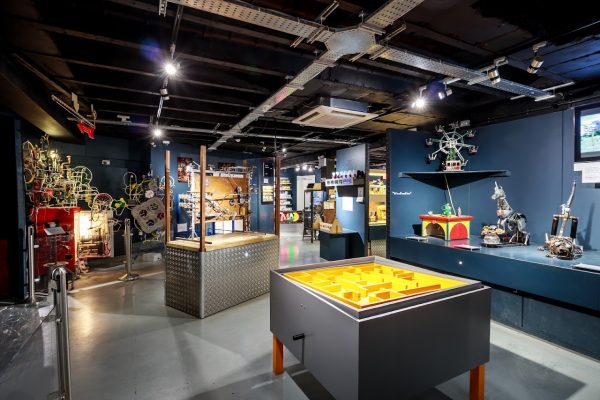
- The MAD Museum — Mechanical art and design on Henley Street, a collection of kinetic sculpture and automata that most adults enjoy more than they expect to.



Where to Eat in Stratford-upon-Avon(107)
All restaurants in Stratford-upon-Avon →Food and drink in Stratford-upon-Avon
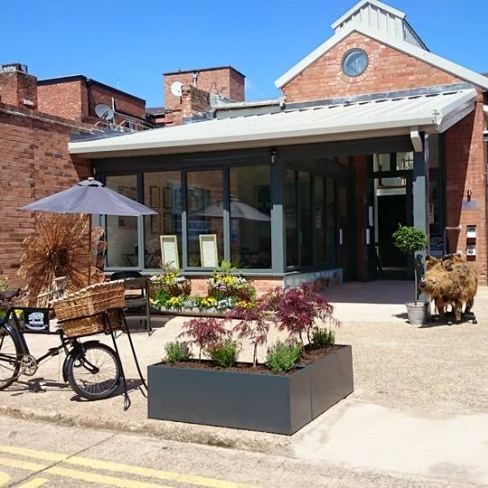
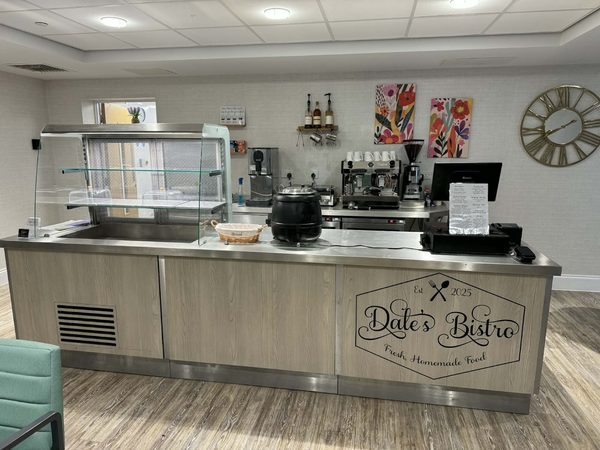
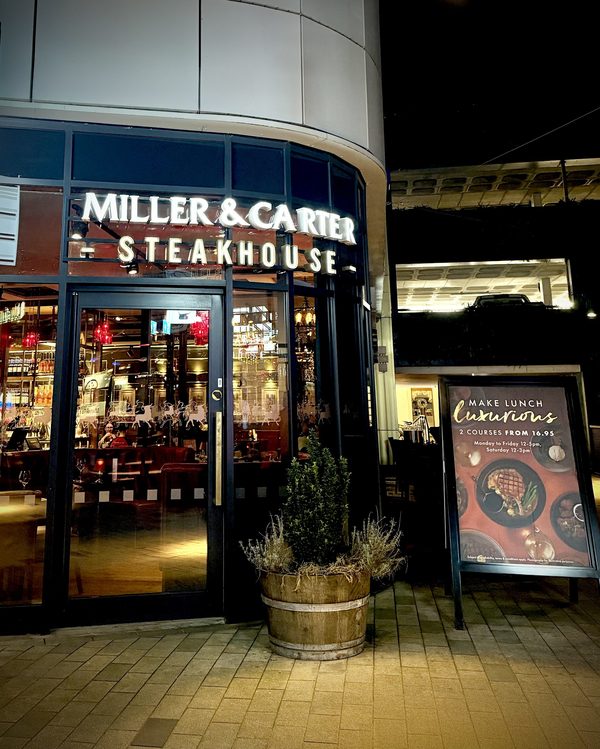
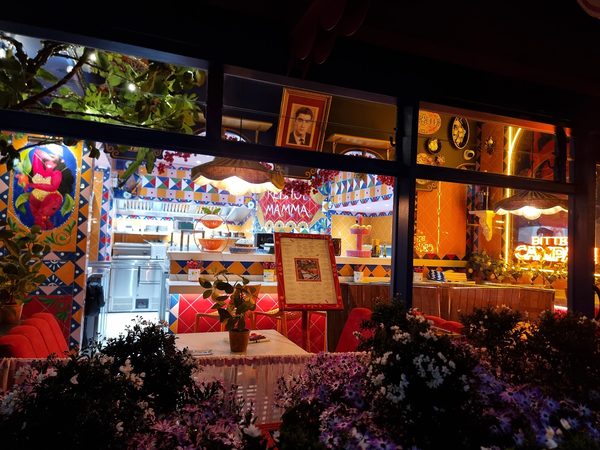
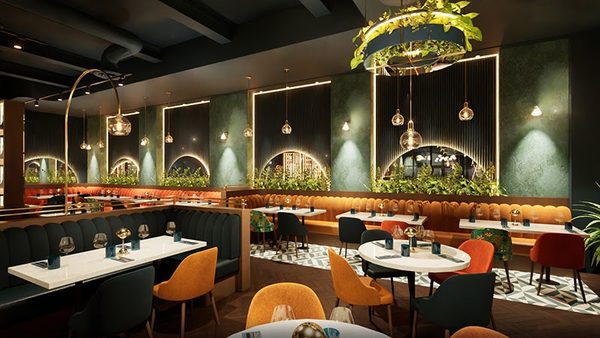
Sheep Street is the town's densest run of restaurants, with Lambs and The Opposition both long-established in timbered premises and both geared to pre-theatre service. For serious cooking, Salt on Church Street holds a Michelin star and works from a short seasonal menu, while The Woodsman on Chapel Street builds its list around live-fire cooking, game and Warwickshire produce. The RSC's own Rooftop Restaurant is worth booking for the river view alone.
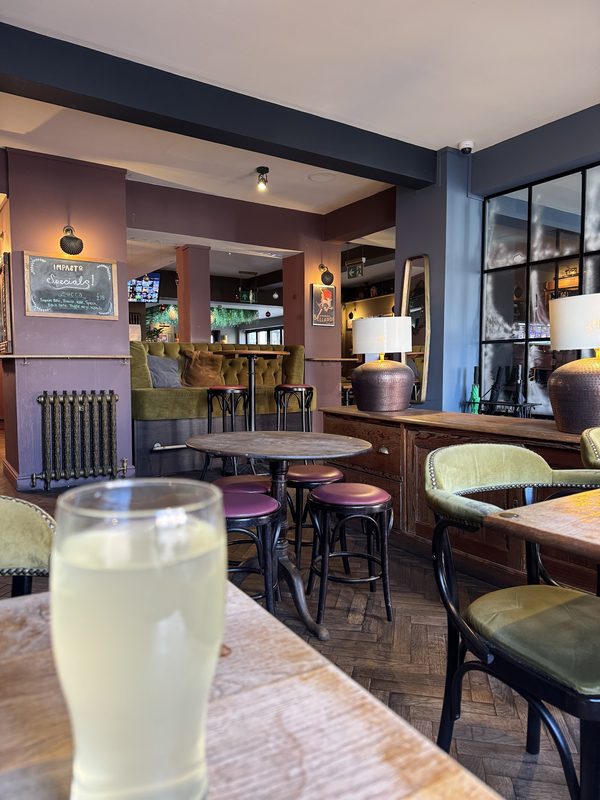
Pubs are plentiful and several are properly old. The Old Thatch Tavern on Greenhill Street is the town's oldest, thatched and low-beamed; the Dirty Duck on Waterside, formally the Black Swan, is the traditional post-performance haunt of RSC actors and has the signed photographs to prove it. Local ale comes from Purity Brewing at Great Alne and North Cotswold Brewery near Shipston, both widely stocked in town.
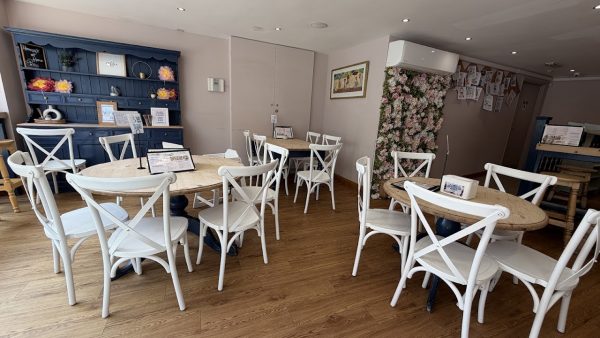
For provisions, the Friday street market on Rother Street is the general one, and a farmers' market runs there twice monthly with Warwickshire cheeses, cider and baking. Regional specialities worth seeking out include Vale of Evesham asparagus in May and June, Berkswell ewes' milk cheese, and the local truckle cheddars. Afternoon tea is close to an institution here: Hathaway Tea Rooms on Sheep Street is the most photographed, but there are plenty of quieter alternatives in the Old Town.

Attractions Near Stratford-upon-Avon
All attractions in Stratford-upon-Avon →Worth the trip — within 50 miles of Stratford-upon-Avon.
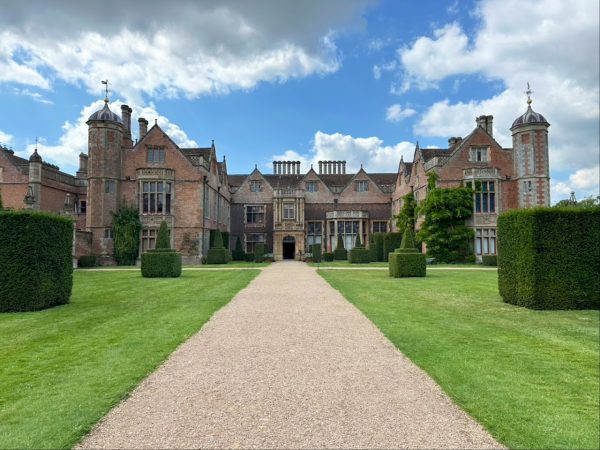 4 mi
4 mi
Charlecote Park
Warwick · ⭐ 4.6
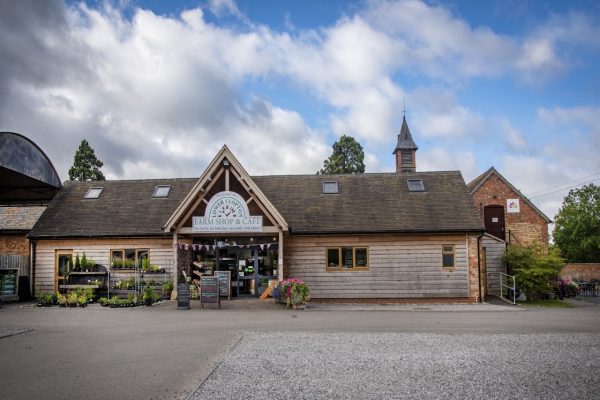 6 mi
6 mi
Pumpkin Picking at Lower Clopton Farm
Warwick · ⭐ 4.4
Compton Verney Art Gallery and Park
Warwick · ⭐ 4.7
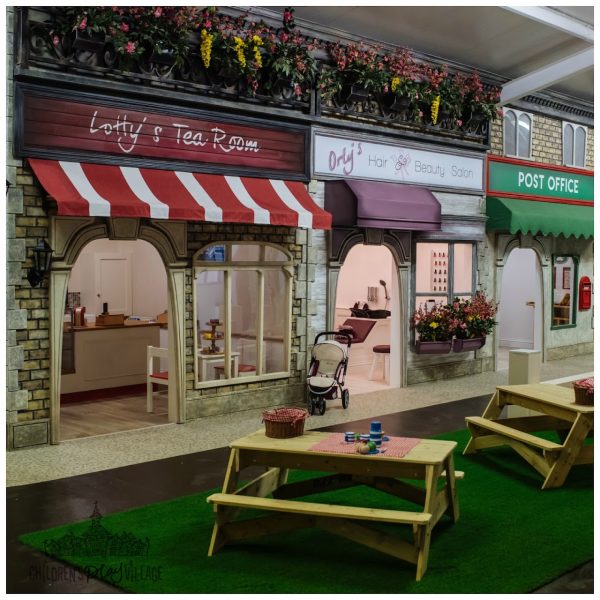 7 mi
7 mi
Children's Play Village
Warwick · ⭐ 4.8
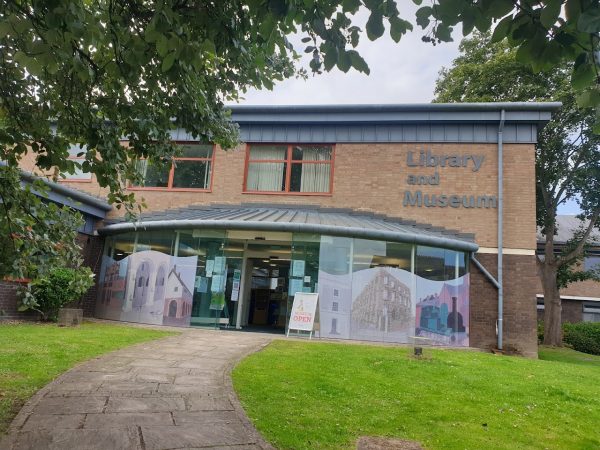 7 mi
7 mi
Roman Alcester Heritage Centre
Alcester · ⭐ 4.5
 7 mi
7 mi
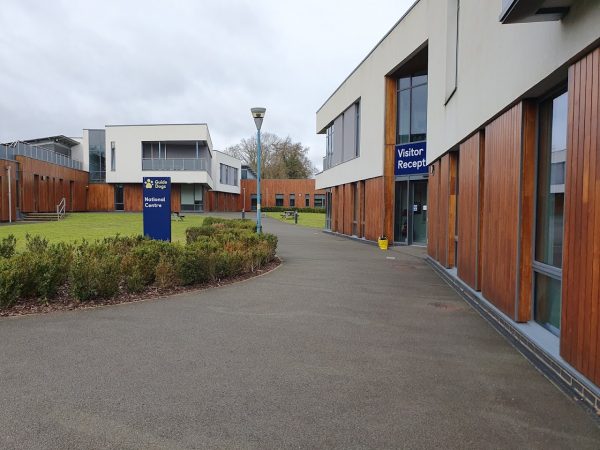
Guide Dogs National Breeding Centre
Leamington Spa · ⭐ 4.8
Hatton Country World
Warwick · ⭐ 4.1
Hatton Adventure World
Warwick · ⭐ 4.4
Camping in Stratford-upon-Avon(16)
All campsites in Stratford-upon-Avon →About camping in Stratford-upon-Avon
Camping around Stratford-upon-Avon is easy, gentle country camping rather than anything wild. The land is low-lying south Warwickshire farmland on the Avon and its tributaries, mostly under 100 metres, with clay and gravel soils and very little in the way of gradient. Pitches are typically level grass in old orchards, riverside meadows or paddocks behind hedgerows, and the walking from them runs through arable fields rather than up anything strenuous. That makes the area unusually good for families, first-time campers and anyone towing a caravan who does not fancy a Welsh hill road.
The town itself has no campsite inside the built-up area, but there are several genuine touring parks within two to six miles, and one of them sits on the racecourse a mile from the centre. That proximity is the real attraction of camping here: you can pitch up, walk or cycle into town along the Avon or the Greenway, see a play and walk back, which is a rare combination in England.
Weather is Midlands weather, which is to say drier than the west of the country and slower to warm than the south coast. Average summer highs sit in the low twenties Celsius, and rainfall is moderate and spread through the year. The catch is the river: the Avon floods readily after sustained rain, and low-lying riverside pitches can become soft or unusable in a wet spell. Most sites here are seasonal for that reason, typically opening in March and closing at the end of October.
Wild camping is not legal in England without the landowner's permission, and that includes every field and riverbank around Stratford. There is no equivalent of the Scottish right to roam, so the practical options are booked sites, certificated locations run by the camping clubs, or a farm that has explicitly agreed. The best months are May, June and September: May brings dry ground and long evenings without school-holiday prices, June has the longest days, and September gives quiet sites and the lowest rates of the season. August is workable but book months ahead, since the town's summer visitors spill straight into the campsites.
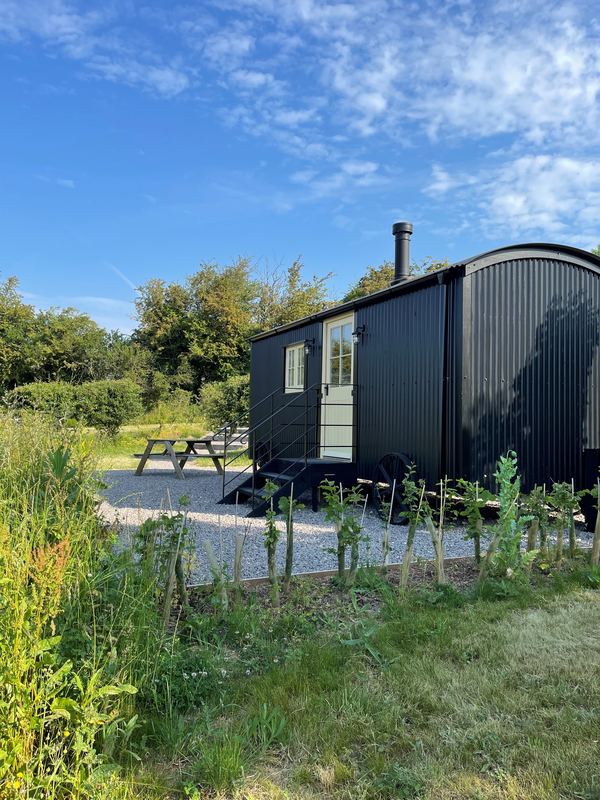
Arden Lakes Camping
⭐ 5.0 · from £115/night
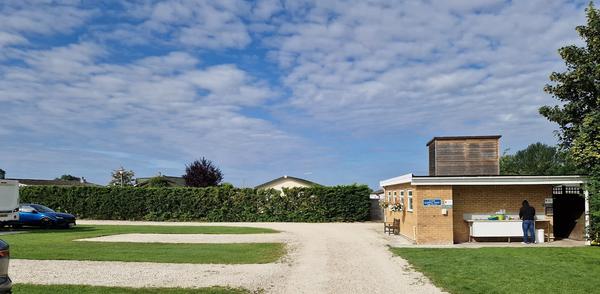
Dodwell Park
⭐ 4.2 · from £20/night
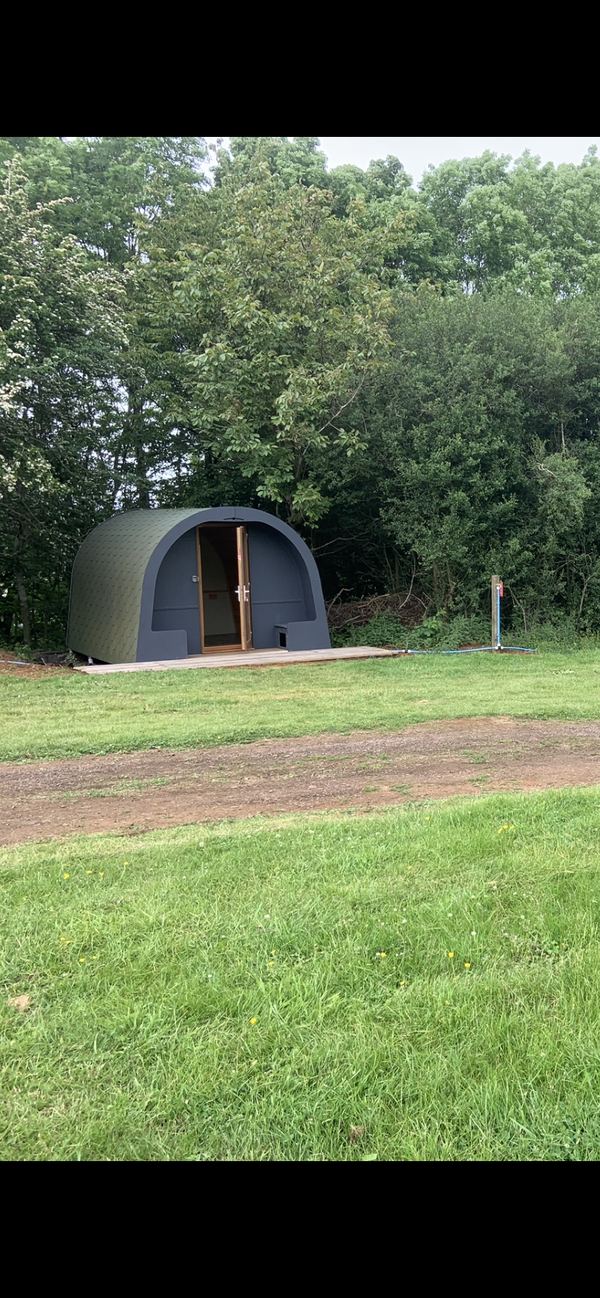
Edgehill Country Park
⭐ 4.2 · from £20/night
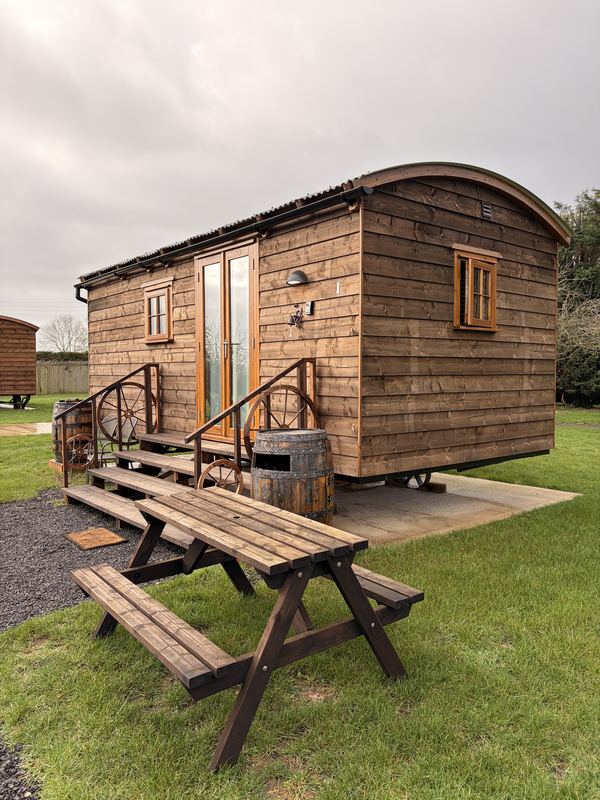
Green Gates Caravan Park
⭐ 4.8 · from £28/night
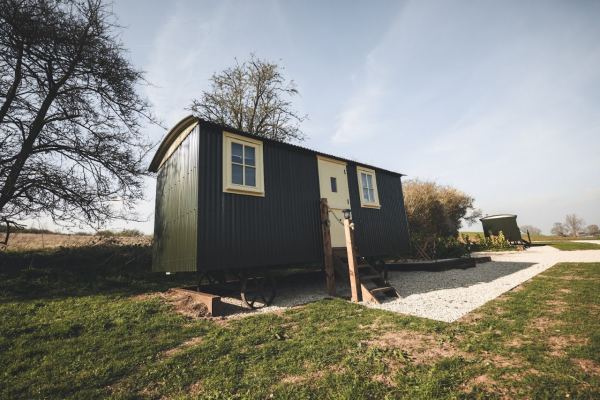
Hampton Lucy Holiday Park
⭐ 4.7 · from £20/night
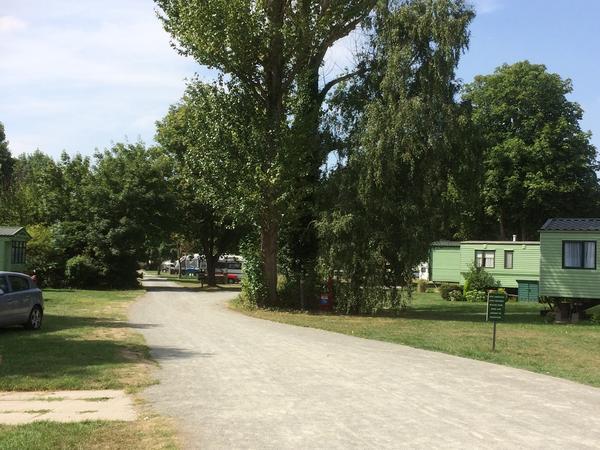
Island Meadow Caravan Park
⭐ 4.8 · from £20/night
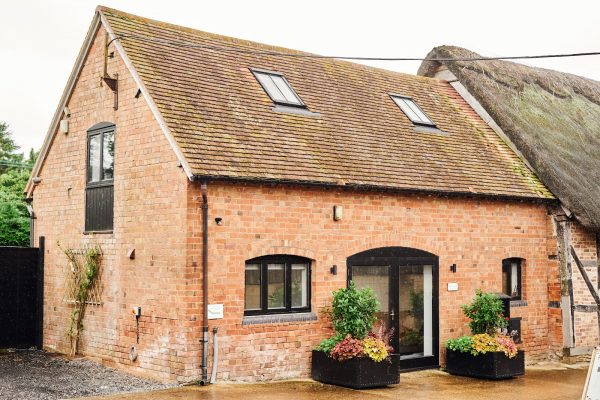
Monks Barn Farm
⭐ 4.7
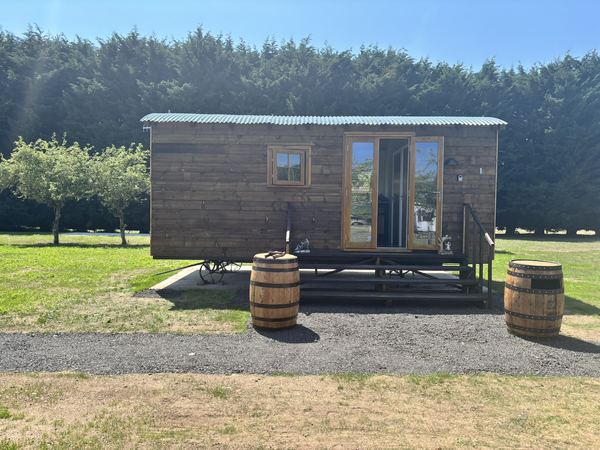
Stratford Bespoke Shepherd Huts
⭐ 5.0 · from £180/night
Self-Catering Cottages in Stratford-upon-Avon
All cottages in Stratford-upon-Avon →Lovely Old Cottage
3 bed · sleeps 6 · from £1,406
Hare Bee & Bee
3 bed · sleeps 6 · from £737
Trinity Mews House
1 bed · sleeps 2 · from £1,477
Ophelia
2 bed · sleeps 4 · from £1,402
Hathaway Hamlet
1 bed · sleeps 2 · from £337
Willowbank Lodge
2 bed · sleeps 4 · from £911
River Meets Lodge
2 bed · sleeps 4 · from £661
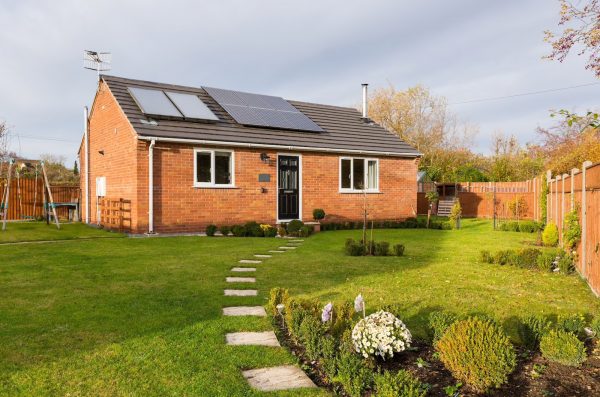
The Hideaway Barn
4 bed · sleeps 8 · from £1,153
Common questions about Stratford-upon-Avon
How many campsites are there in Stratford-upon-Avon?
We list 16 campsites in and around Stratford-upon-Avon, of which 15 take tents and 9 offer glamping.
Are there dog-friendly campsites in Stratford-upon-Avon?
Yes — 8 of the 16 campsites we list in Stratford-upon-Avon accept dogs, including Sweet Knowle Certificated Location and Island Meadow Caravan Park.
Which campsites in Stratford-upon-Avon have electric hook-up?
7 of the 16 campsites we list in Stratford-upon-Avon offer an electric hook-up.
Where can I stay in Stratford-upon-Avon?
We list 52 hotels, B&Bs and guest houses in and around Stratford-upon-Avon. Prices start from around £85 a night.
What is there to do in Stratford-upon-Avon?
We list 17 attractions and things to do in and around Stratford-upon-Avon.
Where can I eat in Stratford-upon-Avon?
We list 107 restaurants, pubs and cafes in and around Stratford-upon-Avon.