Plymouth
Britain's Ocean City, where the Hoe meets the Sound
Photo © Anthony Payne, Google Maps
Plymouth sits at the point where the rivers Plym and Tamar meet the sea, on a natural harbour so large and sheltered that it has shaped the city's entire history. This is a working port before it is anything else: the Royal Navy has been based at Devonport, on the western side of the city, since the seventeenth century, and Plymouth Sound has watched ships leave for the Armada, the Mayflower's crossing to America in 1620, and Captain Scott's expeditions to the Antarctic. That maritime weight gives Plymouth a different character to the smaller, prettier resorts further along the Devon and Cornwall coast; it is a proper city, with a working waterfront, a large university, and a skyline mixing Victorian terraces with the rebuilt streets that followed heavy bombing in the Second World War.
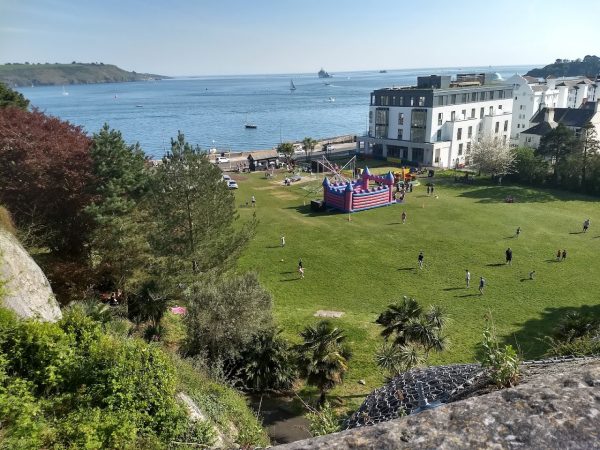
The place to start is Plymouth Hoe, the wide grassy headland above the Sound where Sir Francis Drake is said to have finished his game of bowls before sailing out to meet the Spanish Armada in 1588. Smeaton's Tower, a red-and-white striped lighthouse relocated here stone by stone from the Eddystone Reef in the 1880s, still stands as the Hoe's landmark, and the promenade along the clifftop gives long views across the Sound to Cornwall on one side and Mount Batten on the other. Below the Hoe, the Barbican preserves Plymouth's oldest surviving streets, a tight knot of cobbles, independent galleries and old fish market buildings that survived the wartime Blitz that flattened much of the city centre, and from here the Mayflower Steps mark, roughly, where the Pilgrims left English soil for the last time.
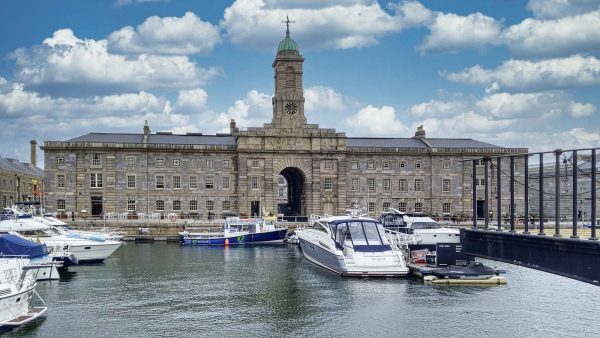
Modern Plymouth has grown up around and alongside this history rather than simply preserving it. Royal William Yard, a vast complex of Grade I listed naval victualling buildings on the western waterfront, has been reworked into restaurants, apartments and gallery space without losing its granite bulk and dockyard scale, while the rebuilt city centre around Armada Way and the university campus give Plymouth a busier, more ordinary city feel than its seafront alone would suggest. Beyond the city, Dartmoor National Park begins within a twenty-minute drive, and the South West Coast Path runs both east towards the South Hams and west across the Tamar into Cornwall, meaning Plymouth works equally well as a city break, a walking base or a jumping-off point for the wider Devon and Cornwall coast.
Getting to Plymouth
Great Western Railway runs direct trains from London Paddington to Plymouth, taking around three to three and a half hours, with the line continuing on into Cornwall via Saltash and the Royal Albert Bridge. CrossCountry services connect Plymouth to Bristol, Birmingham, the Midlands and the north of England, and local branch lines run out to Gunnislake in the Tamar Valley and along the coast towards Exeter. Plymouth station lies around a fifteen-minute walk or short bus ride north of the Hoe and Barbican, with regular buses covering the route for those who would rather not walk with luggage.
By road, Plymouth sits just off the A38, which links to the M5 near Exeter for London, Bristol and the Midlands, and continues west across the Tamar Bridge into Cornwall. The drive from London typically takes around four hours outside peak traffic. Car parks serve the Barbican, the Hoe and the city centre, including multi-storey options near Drake Circus shopping centre, though the Barbican's own car parks fill quickly on fine weekends and in summer. Plymouth also has a passenger and vehicle ferry link to Roscoff and Santander from the Millbay ferry terminal, and Exeter Airport, around forty-five minutes away by road, offers the nearest scheduled flights.
Best time to visit Plymouth
Spring brings milder weather and quieter streets to Plymouth, with Dartmoor's gorse coming into flower and the Hoe's gardens at their freshest, making it a good time for walking without the summer crowds. Summer is Plymouth at its busiest, with long evenings on the Hoe, ferries running to Mount Edgcumbe and the Cornish coast, and the British Firework Championships lighting up the Sound over several nights each August, drawing large crowds to the waterfront. Autumn tends to stay mild on this stretch of coast, with Dartmoor's colours drawing walkers inland and hotel and campsite prices easing once the school holidays end. Winter is quieter still, with the Barbican's older buildings and The Box's indoor collections coming into their own on wetter days, and the city centre's Christmas lights and markets giving a reason to visit outside the main season, though conditions on the Hoe can be exposed and blustery.
Where to stay in Plymouth(59)
All hotels in Plymouth →About staying in Plymouth
Where to stay in Plymouth largely depends on whether you want sea views, old-town character, or straightforward convenience. Plymouth Hoe carries the city's grandest hotel address, a run of Victorian and Edwardian buildings set back from the clifftop promenade with views across the Sound; it suits visitors who want to be a short walk from Tinside Lido and the Barbican while still having some distance from the busiest streets in the evening. The Barbican itself, tucked below the Hoe around Sutton Harbour, has a smaller number of boutique hotels and guest houses among its cobbled lanes, putting restaurants, galleries and the old fish market on the doorstep for anyone building a short break around walking rather than driving.
Royal William Yard, on Plymouth's western waterfront, offers a genuinely different stay: restored naval warehouses now hold serviced apartments and self-catering flats rather than conventional hotel rooms, with waterfront restaurants below and a passenger ferry connecting back to the Barbican. It suits couples and small groups who want more space than a hotel room and don't mind being a short taxi or ferry ride from the main sights. The city centre, around Armada Way and Drake Circus, has the broadest spread of larger hotels at more moderate rates, useful for business travellers and anyone arriving by train who wants to be close to the station and shops rather than the seafront.
Plymouth's hotel prices are noticeably steadier through the year than in the smaller resort towns further along the coast, since the city's naval, business and university trade keeps demand fairly constant outside the height of summer. The British Firework Championships each August and any weekend tied to Plymouth Argyle fixtures or graduation at the university can still push up rates and availability on the Hoe and in the centre, so it is worth booking ahead for those dates specifically. Outside those periods, and particularly in winter, even the grander Hoe hotels can offer good value for a city break with the waterfront largely to yourself.
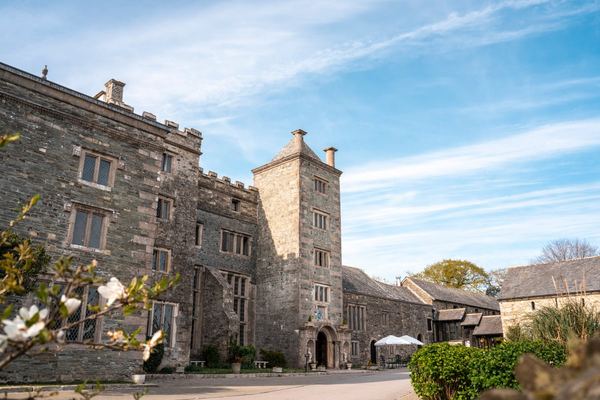 9.0
9.0
Boringdon Hall Hotel & Spa
Plympton, on Plymouth's eastern edge
from £225/night
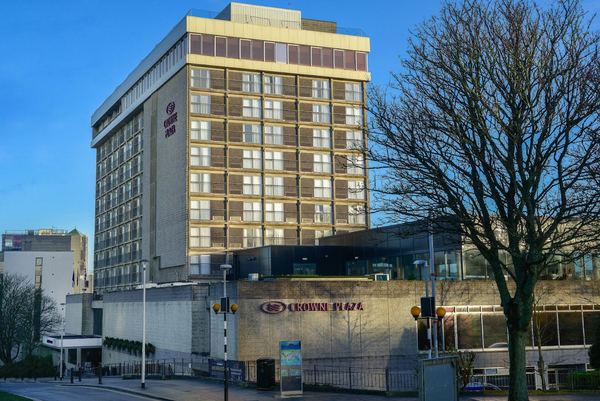 8.1
8.1
Crowne Plaza Plymouth
Plymouth Hoe, overlooking the Sound
from £140/night
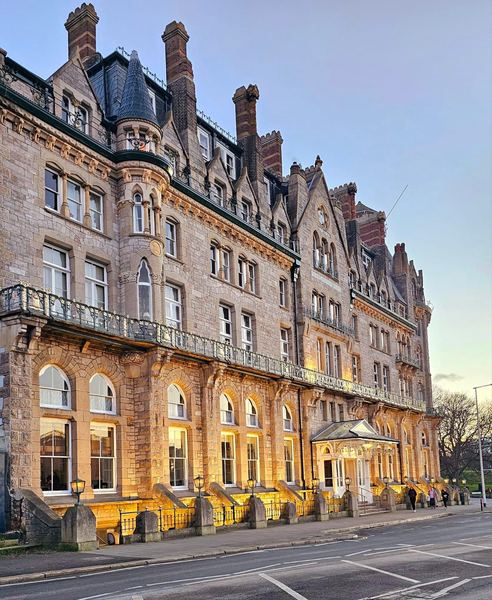 7.8
7.8
The Duke of Cornwall Hotel
Millbay Road, near the Hoe and ferry port
from £105/night
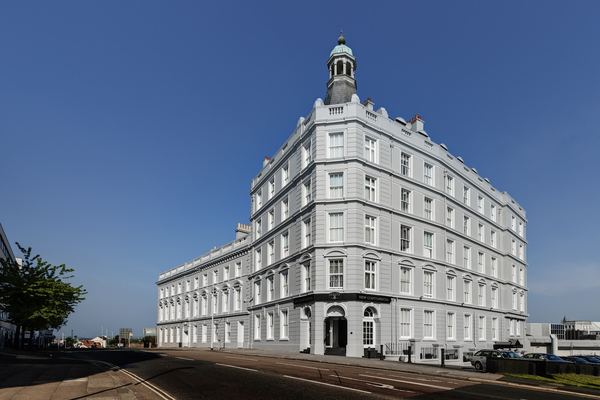 7.9
7.9
New Continental Hotel
Millbay Road, opposite Plymouth Pavilions
from £95/night
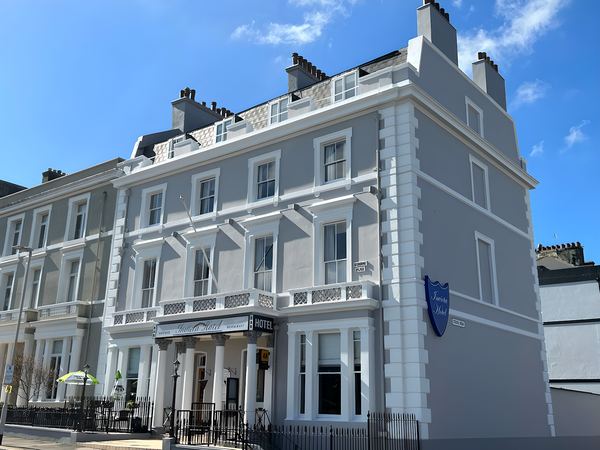 8.7
8.7
Invicta Hotel
Osborne Place, Lockyer Street, the Hoe
from £130/night
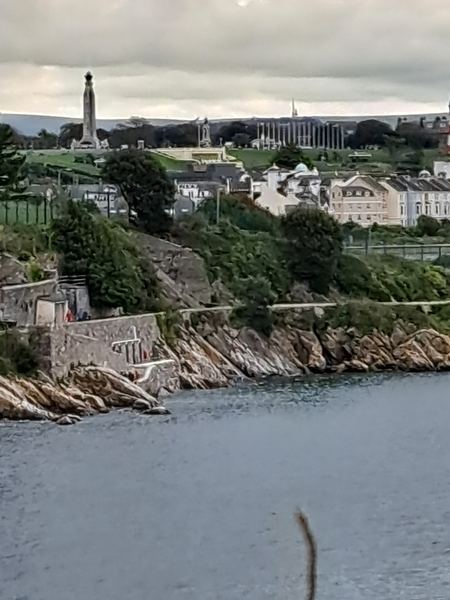 8.5
8.5
Drakes Wharf at Royal William Yard
Royal William Yard, western waterfront
from £165/night
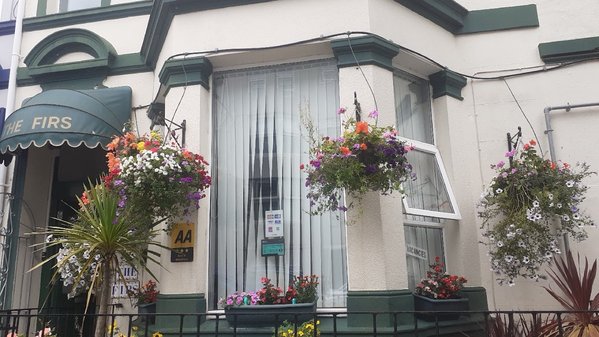 9.1
9.1
The Firs Bed and Breakfast
Pier Street, near Plymouth Hoe
from £85/night
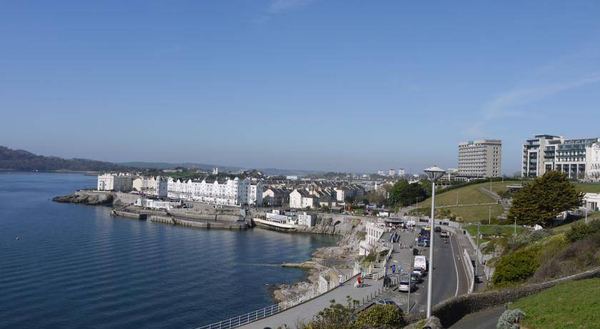 8.2
8.2
Jewells Guest House
Plymouth city centre, near the Hoe
from £65/night
Things to Do in Plymouth(23)
All attractions in Plymouth →Top things to do in Plymouth
Plymouth's sights are spread between the waterfront, the Barbican and the wider city, with most of the central attractions within easy walking distance of each other.
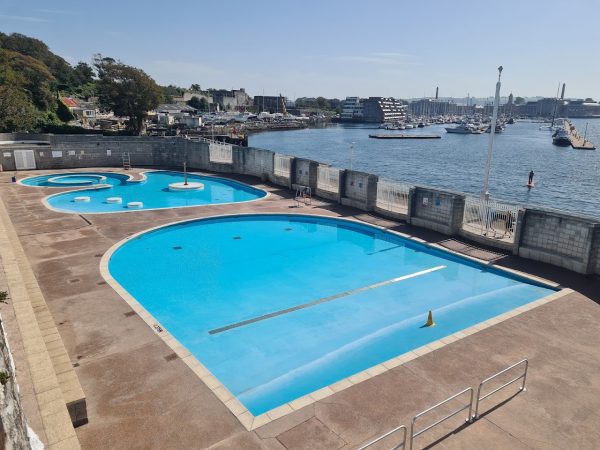
- Plymouth Hoe is the city's great open space, a clifftop promenade with views across the Sound, home to Smeaton's Tower, war memorials and the art deco Tinside Lido tucked below the cliff at its western end.
- The Barbican preserves Plymouth's old town, a maze of cobbled streets, independent shops and galleries around Sutton Harbour, where the Mayflower Steps and a working fish market still recall the area's seafaring past.
- The National Marine Aquarium, Britain's largest, sits on Sutton Harbour and takes visitors from Devon rock pools through to a deep ocean tank with sharks and rays.
- The Box, Plymouth's museum, gallery and archive, opened in a striking converted school building near the station and holds the city's art, history and natural science collections under one roof, including a large collection of figureheads.
- Royal William Yard, a former Royal Navy victualling yard on the western waterfront, has been converted into restaurants, bars and apartments within its original granite warehouses, with a passenger ferry linking it to the Barbican.
- Black Friars Distillery, home to Plymouth Gin since 1793, is the oldest working gin distillery in England and runs tours and tastings through its historic monastery building near the Barbican.
- Mount Edgcumbe Country Park, reached by a short ferry across the Sound from the Barbican, offers formal gardens, deer parkland and coastal walking on the Cornish side of the water.
- Dartmoor National Park begins around twenty minutes' drive north of the city, offering high open moorland, granite tors and villages such as Yelverton and Princetown for a change of pace from the coast.




Where to Eat in Plymouth(355)
All restaurants in Plymouth →Food and drink in Plymouth
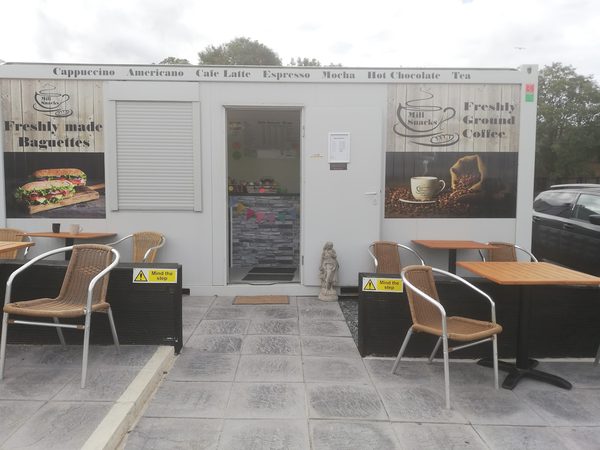
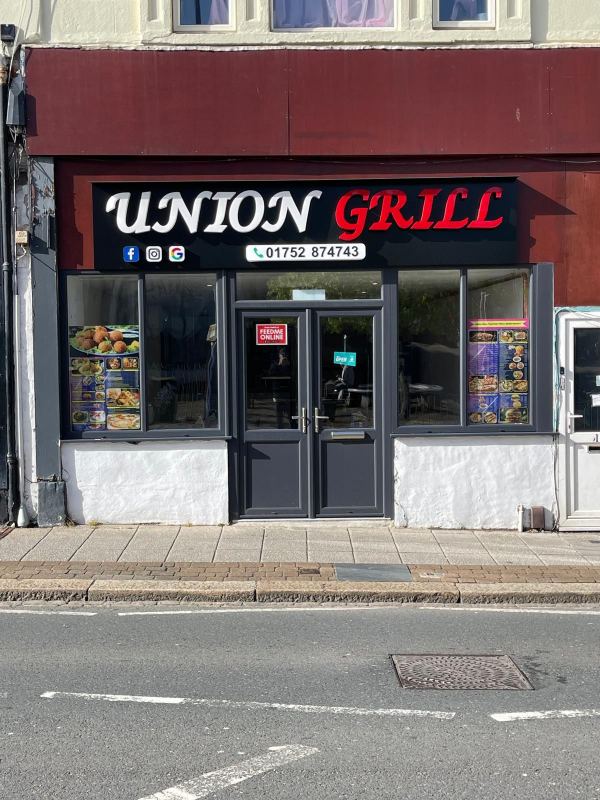
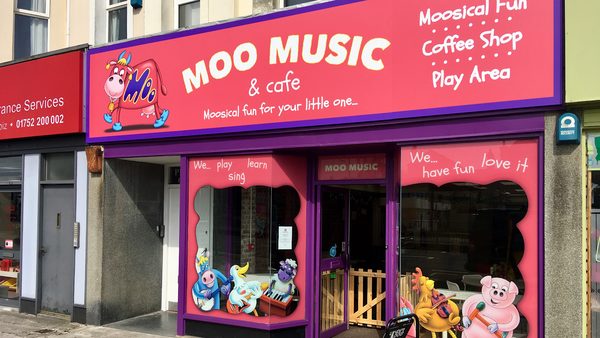
As a fishing port, Plymouth's food scene leans heavily on what comes off its own boats, with Sutton Harbour's fish market supplying restaurants around the Barbican with crab, scallops and whatever else has been landed that morning. The Barbican itself has a good concentration of independent restaurants and pubs, from long-standing seafood spots to newer openings making the most of the harbourside setting, while Royal William Yard has developed its own cluster of waterfront restaurants and bars within the old naval buildings. Black Friars Distillery, tucked among the Barbican's oldest streets, has been distilling Plymouth Gin since the eighteenth century and remains the one spirit that carries the city's name onto bars and shelves well beyond Devon. Plymouth City Market, in the city centre, brings together butchers, fishmongers and local producers under one roof and is a good stop for picking up Devon cheeses, pasties and baked goods rather than eating out. Devon's wider culinary traditions show up throughout the city too, from cream teas served with clotted cream and jam in cafes around the Hoe to ales from breweries in the surrounding countryside, giving Plymouth's food and drink scene a strong regional identity alongside its seafood.




Attractions Near Plymouth
All attractions in Plymouth →Worth the trip — within 50 miles of Plymouth.
Mount Edgcumbe
Torpoint · ⭐ 4.7
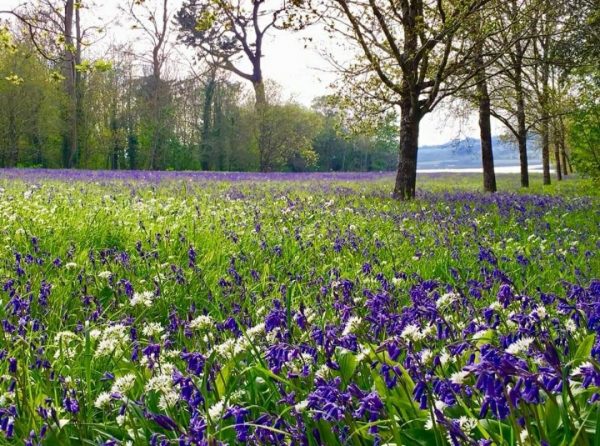 4 mi
4 mi
Antony Woodland Garden
Torpoint · ⭐ 4.6
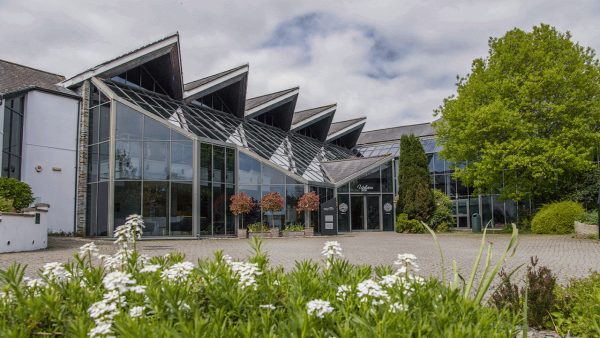 5 mi
5 mi
Woodland Adventure Golf, Saltash
Saltash · ⭐ 4.5
Brixton Treasure Hunt Trail
Brixton · ⭐ 4.1
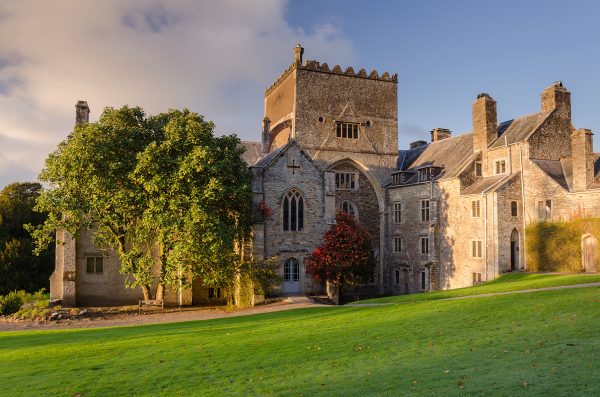 7 mi
7 mi
Buckland Abbey
Yelverton · ⭐ 4.6
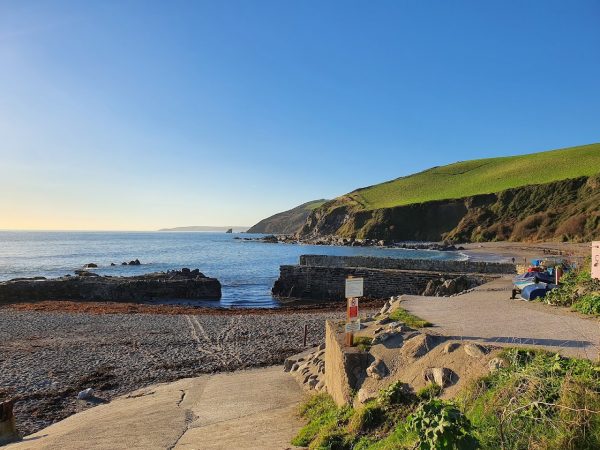 7 mi
7 mi
Portwrinkle Beach
Torpoint · ⭐ 4.4
 10 mi
10 mi
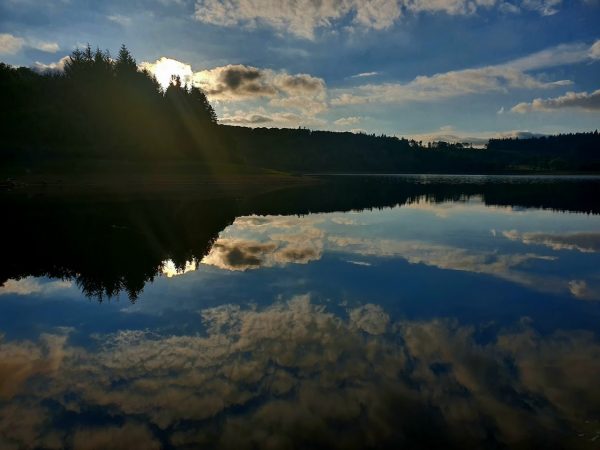
Burrator Reservoir
Yelverton · ⭐ 4.7
 11 mi
11 mi
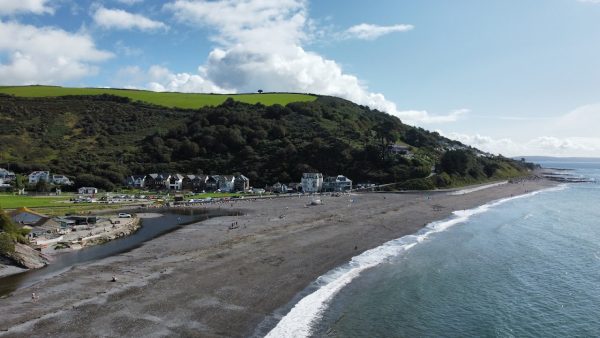
Seaton Beach
Torpoint · ⭐ 4.5
Camping in Plymouth(8)
All campsites in Plymouth →About camping in Plymouth
Plymouth is a working city rather than a rural retreat, so there is no camping within the built-up area itself, but the countryside opens up quickly on every side, from the wooded Plym Valley just north of the city to the coastal villages of the South Hams and the wilder ground of Dartmoor a short drive further out. That variety means visitors can choose a site to suit the kind of holiday they want, whether that is a base close enough to walk into the city or a quieter spot nearer the coast path and the moor.
The sites within easiest reach of Plymouth tend to sit just a few miles out, along the Plym Valley or around the coastal villages to the south-east, and range from simple touring parks geared towards caravans and motorhomes to family holiday parks with pools and static accommodation as well as pitches. A little further out, towards Dartmoor and the South Hams, sites take on a quieter, more rural character, better suited to visitors planning walking or cycling days away from the city rather than using camping purely as a base for sightseeing.
Devon's coastal and moorland weather can turn quickly, so a well-pitched tent and warm layers are worth having even in summer, particularly at sites nearer the coast or the exposed edges of Dartmoor. The most reliable camping season around Plymouth runs from April through to September, when most sites are fully open and the surrounding coast path and beaches are at their best; several of the smaller touring parks reduce their opening hours or close altogether over the winter months, so it is worth checking ahead before planning a visit outside the main season.
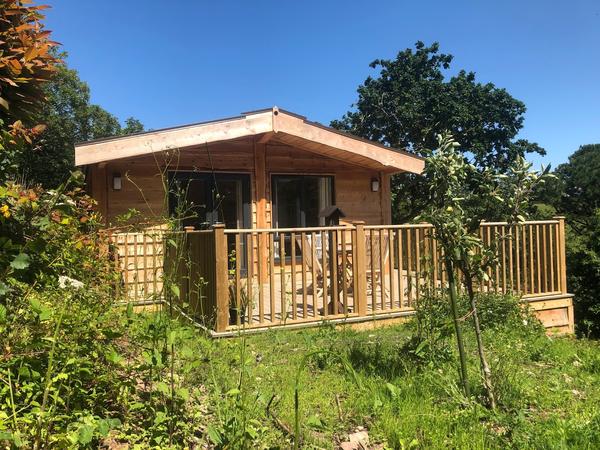
Churchwood Valley
⭐ 4.6 · from £65/night
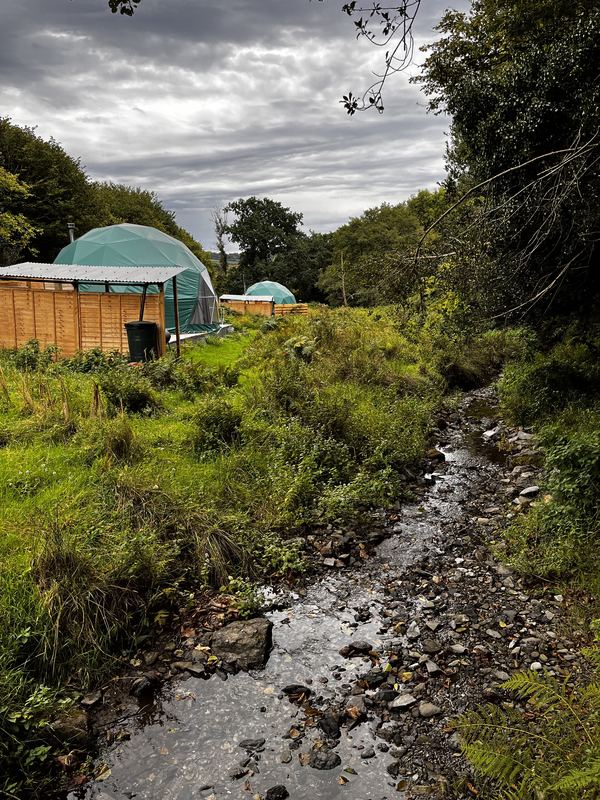
Dartmoor Domes
⭐ 5.0
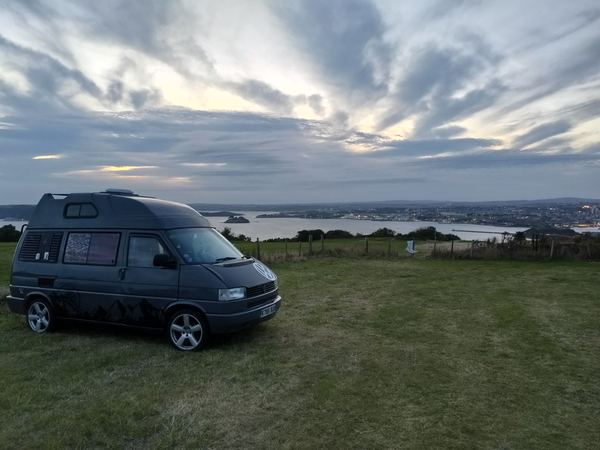
Drakes View Certificated Location
⭐ 4.0 · from £22/night
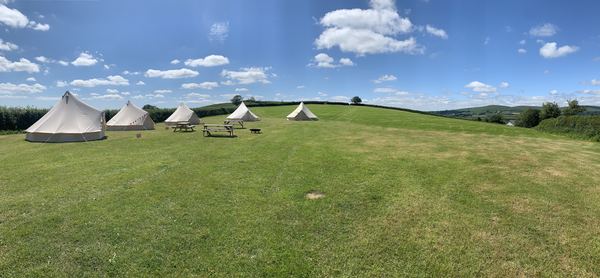
Dunwell Farm
⭐ 4.6 · from £20/night
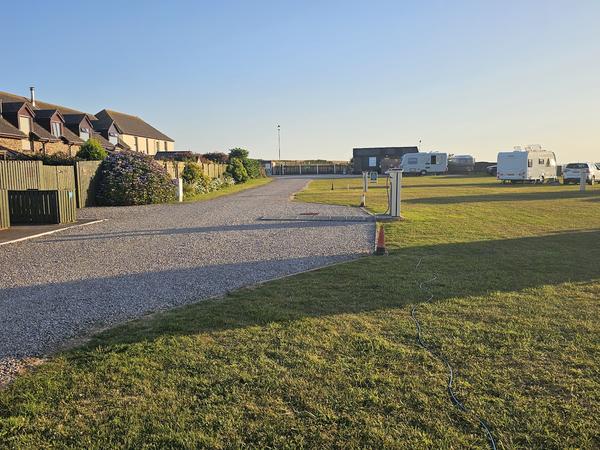
Plymouth Sound Caravan and Motorhome Club Campsite
⭐ 4.7 · from £25/night

Stones and Stars Boutique Glamping
⭐ 5.0 · from £91/night
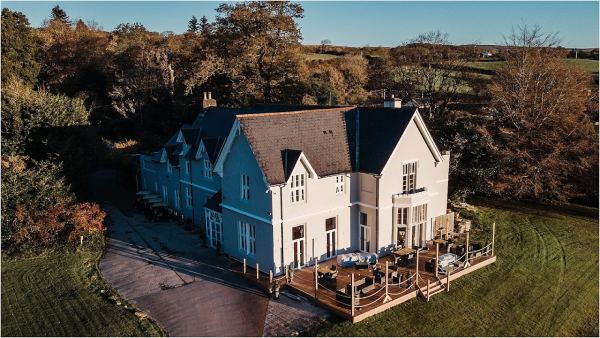
Welbeck Manor
⭐ 4.5
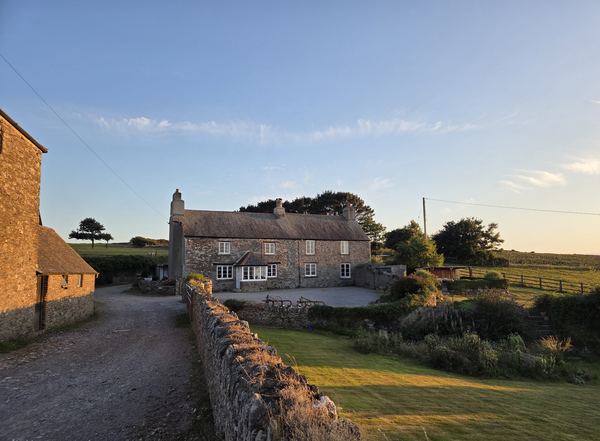
Worswell Barton Farm
⭐ 5.0 · from £60/night
Self-Catering Cottages in Plymouth(27)
All cottages in Plymouth →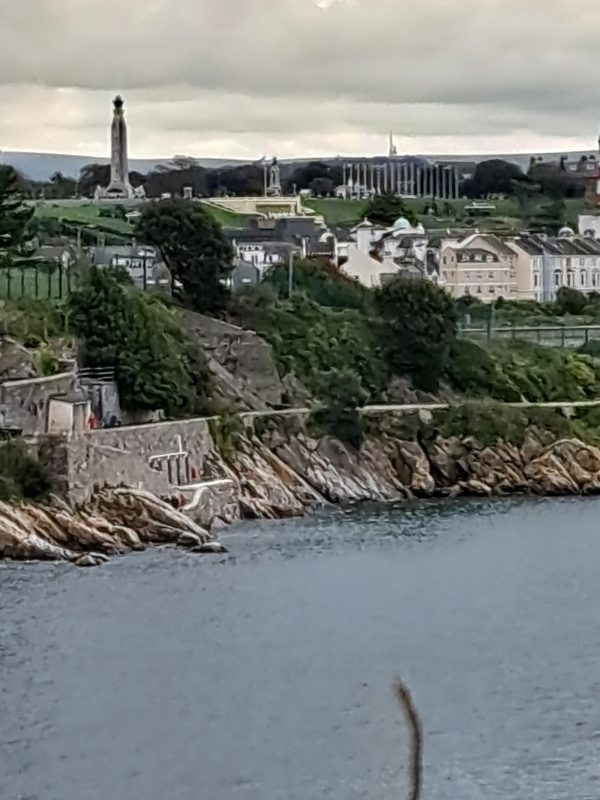
Drakes Wharf - Number Six Mills Bakery
1 bed · sleeps 4
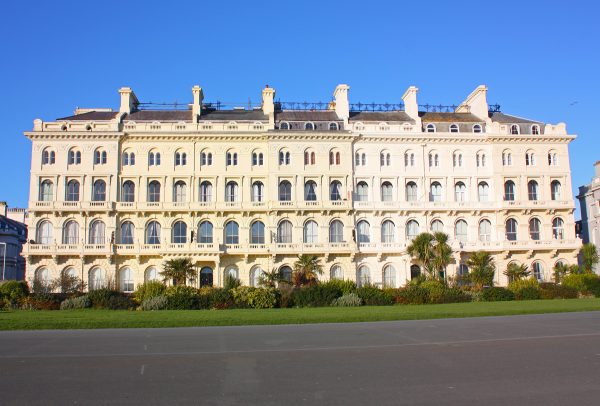
Elliott Terrace
3 cottages · from £834
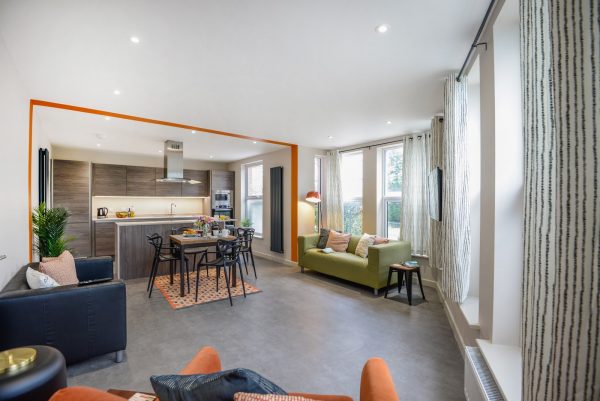
Ocean City Retreats
3 cottages · from £707
The Bosuns Locker, Royal William Yard
1 bed · sleeps 2 · from £487
14 Spinnaker Quay
3 bed · sleeps 6 · from £927
73 Brewhouse
2 bed · sleeps 6 · from £543
Apartment 5
2 bed · sleeps 6 · from £1,271
Derriford Muse
2 bed · sleeps 4 · from £373
Common questions about Plymouth
How many campsites are there in Plymouth?
We list 8 campsites in and around Plymouth, of which 6 take tents and 5 offer glamping.
Are there dog-friendly campsites in Plymouth?
Yes — 4 of the 8 campsites we list in Plymouth accept dogs, including Dartmoor Domes and Plymouth Sound Caravan and Motorhome Club Campsite.
Which campsites in Plymouth have electric hook-up?
3 of the 8 campsites we list in Plymouth offer an electric hook-up.
How many holiday cottages are there in Plymouth?
We list 27 self-catering cottages in and around Plymouth.
Can I take a dog to a holiday cottage in Plymouth?
Yes — 12 of the 27 Plymouth cottages we list allow pets.
Are there large holiday cottages in Plymouth for groups?
Yes — the largest cottage we list in Plymouth sleeps 9.
Where can I stay in Plymouth?
We list 59 hotels, B&Bs and guest houses in and around Plymouth. Prices start from around £65 a night.
What is there to do in Plymouth?
We list 23 attractions and things to do in and around Plymouth.
Where can I eat in Plymouth?
We list 355 restaurants, pubs and cafes in and around Plymouth.