St Andrews
Grey stone, green fairways and a long North Sea beach
Photo © Google Maps contributors, Google Maps
St Andrews occupies a low shelf of land on the east coast of Fife, boxed in by the Eden estuary to the north and the Kinness Burn to the south, with the North Sea filling the whole eastern horizon. The medieval plan has survived almost intact: three long streets, North Street, Market Street and South Street, run more or less parallel from the west end of town and converge on the ruined cathedral at the eastern tip, with narrow closes and wynds threading between them. It is a town you can cross on foot in twenty minutes, which is part of why so many people who come for a weekend end up staying a week.
Roughly seventeen thousand people live here, and during term time somewhere close to ten thousand students are added to that figure, which gives the place a distinct double life. From October to May the pubs and cafes are full of undergraduates in red gowns, the bookshops do a brisk trade and the pace is that of a working university town. From June to September the balance tips towards golfers, coach parties and families, and the queues form instead outside the ice cream shop on South Street. Both versions are worth seeing, and they feel like different towns.
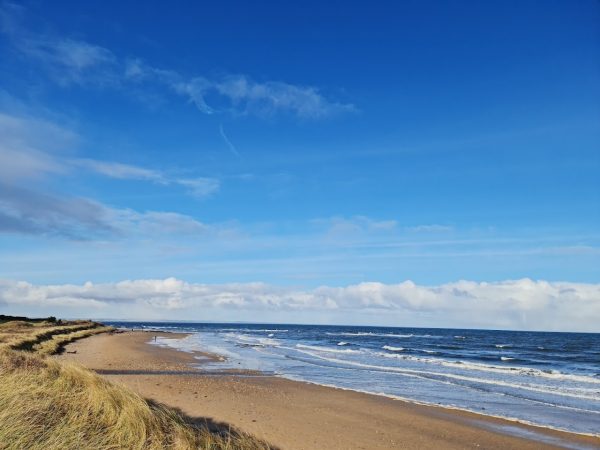
What holds it all together is the setting. The West Sands runs for nearly two miles north from the golf courses, wide enough at low tide to lose a crowd in, and the smaller East Sands sits below the harbour on the other side of the headland. Between them the cathedral and castle ruins stand right on the cliff edge, so that the sea is rarely out of sight or earshot. East-coast light does a great deal of the work: clear and hard on a good day, and on others swallowed entirely by the haar, the cold sea fog that rolls in off the North Sea and can drop over the town in half an hour.
Getting to St Andrews
St Andrews has no railway station of its own; the branch line closed in 1969. The nearest station is Leuchars, five miles north-west, from where buses and taxis run into town in about ten to fifteen minutes. Leuchars is on the main east-coast line, so it is well served: trains from Edinburgh Waverley take a little over an hour, from Glasgow Queen Street around two hours with a change, and from London King's Cross around six hours, usually changing at Edinburgh. Dundee is twenty minutes up the line.
By road, most drivers from the south come up the M90 over the Queensferry Crossing, leave at Kinross or Milnathort and cut across on the A91 through Cupar. From the north, the A92 over the Tay Road Bridge from Dundee joins the same A91. Edinburgh to St Andrews is about fifty-five miles and normally takes an hour and a half; Glasgow is closer to two hours.
Parking in the centre is pay-and-display and tightly controlled, with the largest bays on North Street, Market Street and along the Bruce Embankment beside the golf courses. The Petheram Bridge car park on the western edge is the usual overflow and is only a five-minute walk from the shops. For airports, Edinburgh is the practical choice at around fifty miles by road, with Glasgow a longer alternative; Dundee's small airport is nearer but has very limited routes.
Best time to visit St Andrews
Spring is arguably the sweet spot. April and May are among the drier months on this coast, the gorse along the links turns bright yellow, and prices have not yet reached their summer level. It can still be cold when the wind comes off the sea, so bring more layers than the calendar suggests.
Summer brings the longest days, with light lingering until well after ten in late June, and the town at its liveliest, with the Lammas Market taking over the streets in August. It is also the busiest and priciest stretch, and the season when the haar is most likely to blot out an otherwise warm morning.
Autumn suits anyone who wants the beaches and the ruins without the crowds. September and early October often deliver the clearest weather of the year, though the Alfred Dunhill Links Championship fills the town and pushes room rates sharply upward for its week, so check the dates before booking.
Winter is quiet, cheap and atmospheric. The cathedral ruins in low sun and hard frost are worth the trip on their own, and the students returning in January keep the pubs busy. Expect short days, some seasonal closures among smaller attractions, and the occasional North Sea storm that makes the coastal path unwise.
Where to stay in St Andrews(29)
All hotels in St Andrews →About staying in St Andrews
Deciding where to stay in St Andrews comes down to one question: how much of your time will be spent on the golf courses, and how much in the town? The two are only ten minutes apart on foot, but the difference in atmosphere, and in price, is considerable.
The Scores is the address most visitors picture. This clifftop terrace above the castle holds a run of large Victorian houses, most now hotels, and the better rooms look over the bay towards the Angus coast. It is quiet at night, five minutes from both the cathedral and the first tee, and priced accordingly. The Old Course end of town, around Golf Place and Pilmour Links, is more expensive again for the simple reason that you can see the eighteenth green from some windows; if golf is the point of the trip, the premium is easy to justify, and if it is not, you are paying for a view you may not use.
For a first visit, or any trip without a car, basing yourself on or just behind the three central streets makes the most sense. Everything worth walking to is genuinely walkable, the restaurants and pubs are on the doorstep, and you can leave the car for the whole weekend. The compromise is that rooms in converted townhouses are often small, and weekend nights carry some street noise.
The best value tends to sit slightly west of the centre, in the guest houses and B&Bs around Murray Park, Kinburn and Hepburn Gardens. These are family-run for the most part, breakfast is usually a highlight rather than an afterthought, parking is far less of a struggle, and the walk into town is under ten minutes. Groups and anyone staying a week should also look at the self-catering townhouses in the same streets, which work out considerably cheaper per head than several hotel rooms.
Book early for the Dunhill Links week or an Open year, when the town sells out months ahead and rates roughly double. Midweek nights between November and March are the best value on this coast.
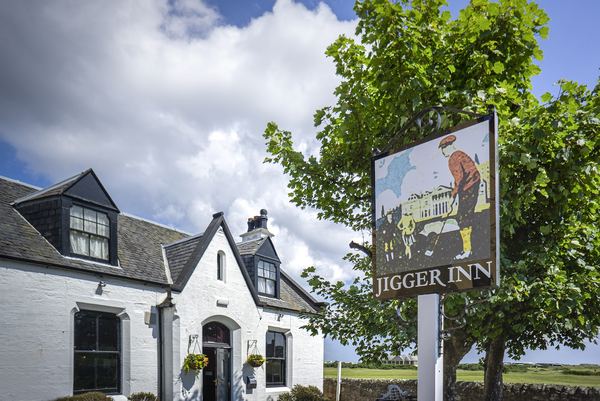 8.9
8.9
Old Course Hotel, Golf Resort & Spa
Overlooking the 17th of the Old Course
from £340/night
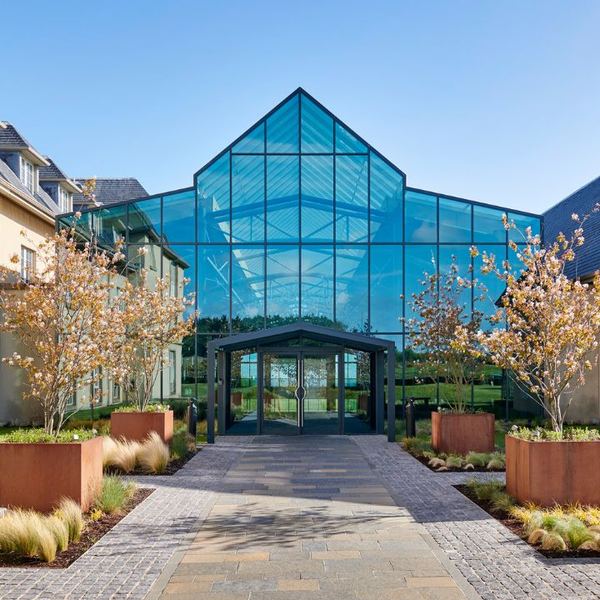 8.7
8.7
Fairmont St Andrews
Clifftop estate two miles south of town
from £260/night
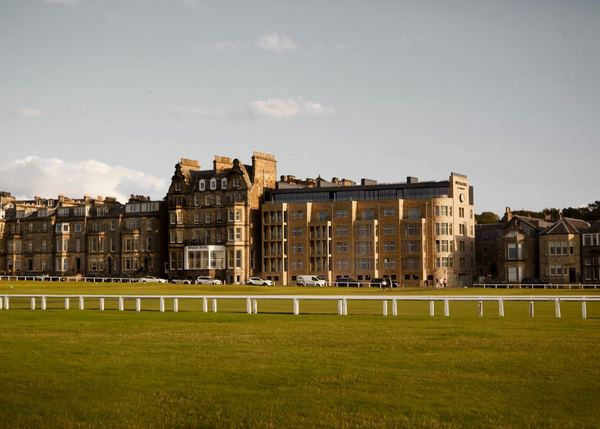 9.0
9.0
Rusacks St Andrews
Above the 18th fairway of the Old Course
from £300/night
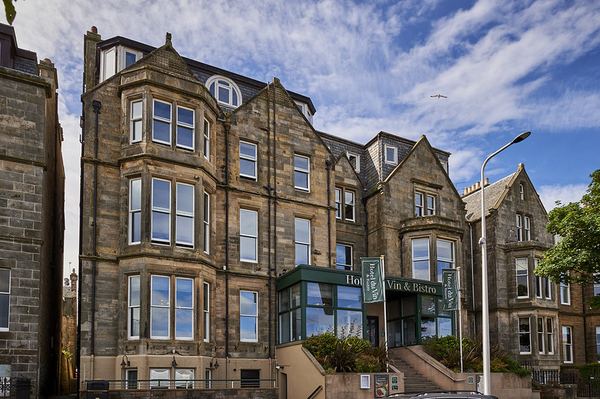 8.4
8.4
Hotel du Vin St Andrews
The Scores, clifftop near the castle
from £150/night
 8.8
8.8
Rufflets St Andrews
Strathkinness Low Road, west of town
from £165/night
 8.5
8.5
The Albany Hotel
56 North Street, town centre
from £120/night
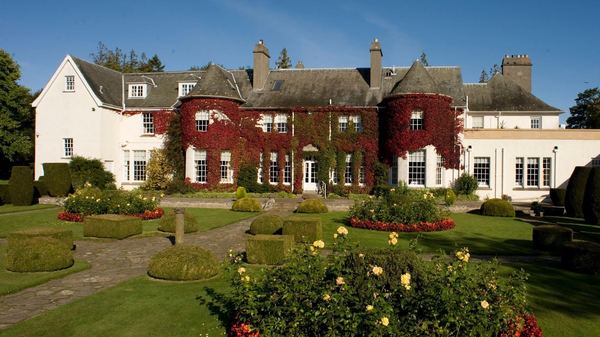
 9.3
9.3
Lorimer House
Murray Park, minutes from the Old Course
from £110/night
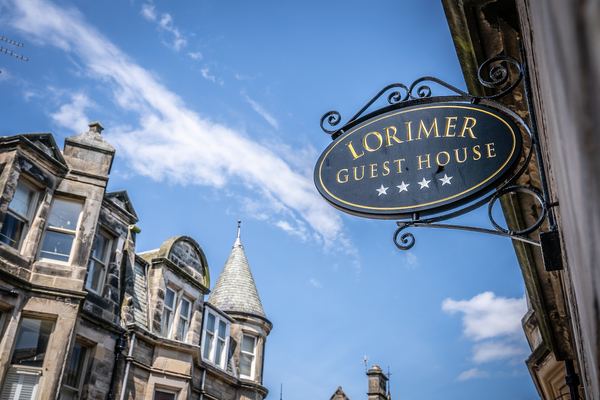
 9.1
9.1
1 Murray Park
Murray Park, steps from the Old Course
from £95/night
Things to Do in St Andrews(10)
All attractions in St Andrews →Top things to do in St Andrews
Most of the main sights sit within the old town and can be reached on foot, though a couple of the best days out are a short drive inland or down the coast.
- The Old Course — the most written-about links in golf, in continuous play since the fifteenth century. You do not need a tee time to appreciate it: the course is public land, the Swilcan Bridge and the eighteenth green are free to walk to, and on Sundays, when play stops, the whole thing becomes a public park.
- St Andrews Cathedral — once the largest church in Scotland and the seat of the medieval Scottish church, reduced to gable ends and a long spine of broken arcading after the Reformation. Climb St Rule's Tower alongside it for the best overview of the three streets and the coastline.
- St Andrews Castle — a clifftop ruin with two unusual survivals: the bottle dungeon cut down into solid rock, and the mine and counter-mine, a pair of siege tunnels from the 1540s that you can still crawl through.
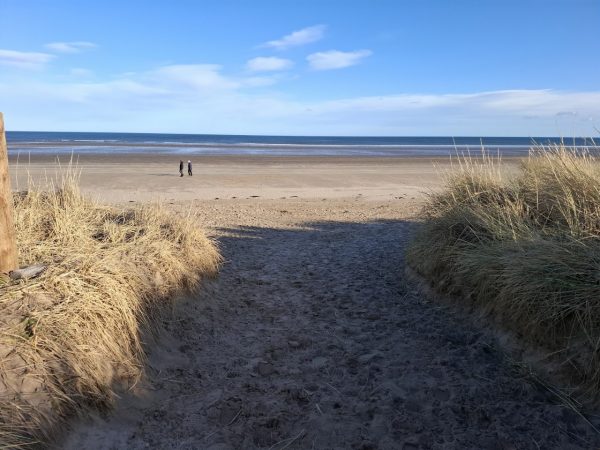
- West Sands — the beach used for the opening sequence of Chariots of Fire, backed by dunes and the Eden estuary nature reserve. Long enough for a proper walk in any weather, and popular with kite-buggy and land-yacht crews when the wind is up.
- The University of St Andrews — founded in 1413 and the oldest in Scotland. St Salvator's Quadrangle on North Street is the set-piece, complete with the cobbled initials PH marking the spot where the student martyr Patrick Hamilton was burned in 1528.
- The R&A World Golf Museum — sensibly sized and genuinely interesting even to non-golfers, tracing the game from feathery balls to the modern professional tour, with a roof terrace looking straight down the first fairway.
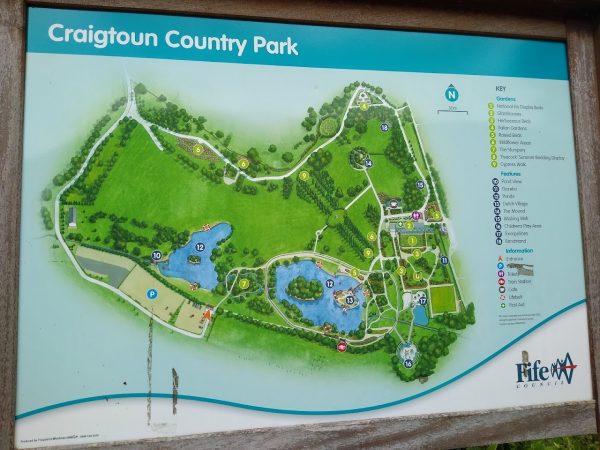
- Craigtoun Country Park — two miles inland, a former estate garden with a boating lake, miniature railway and the Dutch Village folly on its island. The best rainy-afternoon-in-reserve option for anyone travelling with children.
- The Fife Coastal Path — the long-distance route passes through town. Head south from East Sands and you are on the cliffs above Kinkell Ness within twenty minutes, and at Kingsbarns and Crail within a good day's walking.


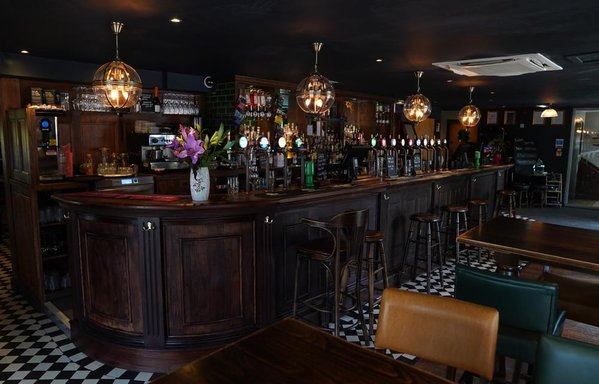
Where to Eat in St Andrews(3)
All restaurants in St Andrews →Food and drink in St Andrews
Fife eats well, and much of what appears on St Andrews menus is landed or grown within a few miles. Seafood comes ashore at Pittenweem and Anstruther, so crab, langoustine and hand-dived scallops are usually the thing to order; beef and lamb come off the farms inland, and the soft fruit in summer is excellent. Anster, a crumbly hard cheese made at Falside near Anstruther, turns up on cheeseboards all over town.
For a proper dinner, The Seafood Ristorante occupies a glass box on the Bruce Embankment with the sea directly below, while The Adamson on South Street does modern brasserie cooking in a former bank. The Vine Leaf is the long-standing local favourite for a quieter evening, and Forgan's on Market Street handles the informal end with Scottish sharing plates and, later on, ceilidhs. Six miles inland, The Peat Inn is the area's Michelin-starred destination and worth booking well ahead.
By day, Fisher & Donaldson on Church Street is an institution for its fudge doughnut, and Jannettas Gelateria on South Street has been making ice cream in the town for well over a century. Mitchell's Deli is the place to assemble a picnic before heading for West Sands. For drinking, Luvians has an unusually deep whisky range, and the distilleries at Kingsbarns, a few miles down the coast, and Eden Mill nearby both run tours and tastings. A monthly farmers' market brings Fife growers and producers onto Market Street, and is the easiest way to taste your way around the region in an hour.
Attractions Near St Andrews
All attractions in St Andrews →Worth the trip — within 50 miles of St Andrews.
 8 mi
8 mi
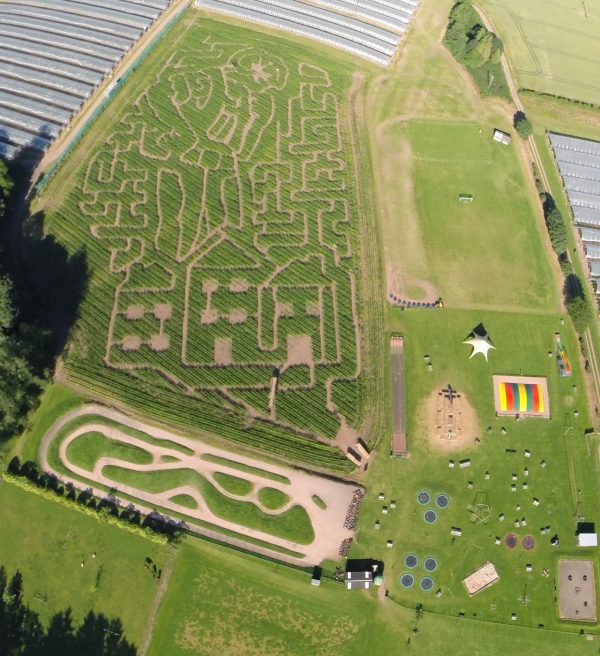
Cairnie Fruit Farm Pumpkin Patch
Cupar · ⭐ 4.5
 9 mi
9 mi
Wee Kingdom
Cupar · ⭐ 4.5
 9 mi
9 mi
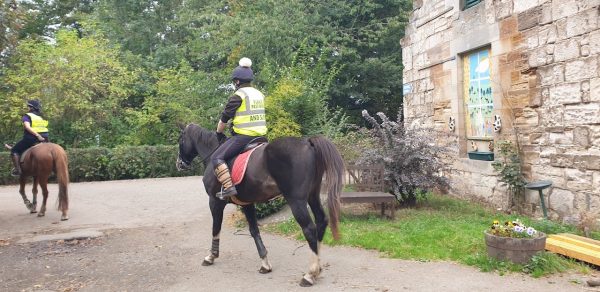
Scholland Equestrian at Kilconquhar
Elie · ⭐ 4.9
 9 mi
9 mi
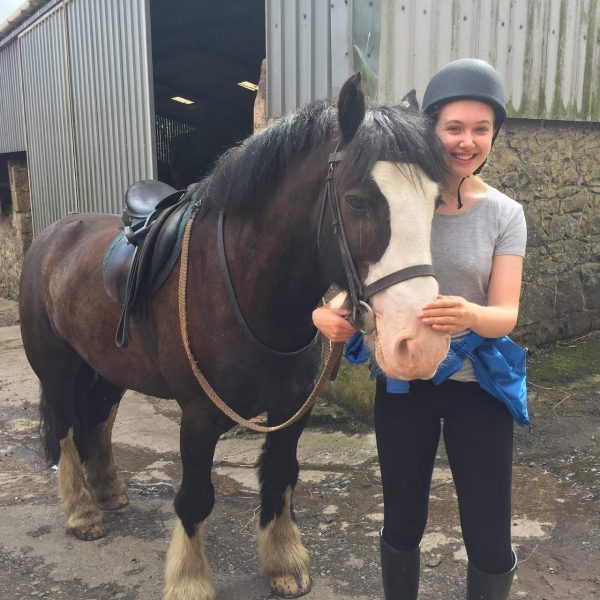
Barbarafield Riding School
Cupar · ⭐ 4.8
 9 mi
9 mi
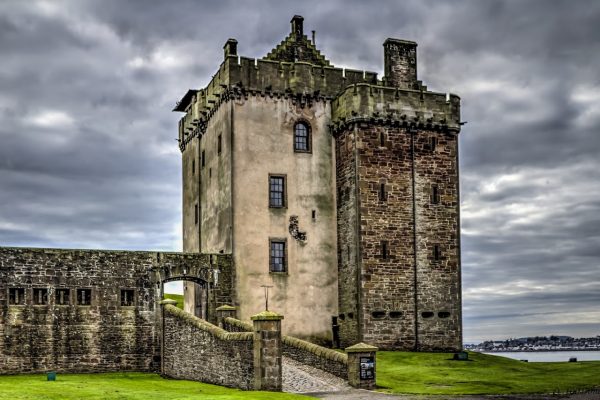
Broughty Castle Museum
Dundee · ⭐ 4.5
 9 mi
9 mi
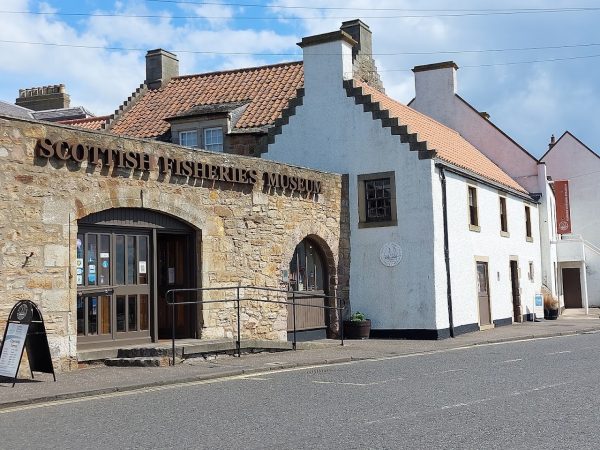
Scottish Fisheries Museum
Anstruther · ⭐ 4.6
 9 mi
9 mi
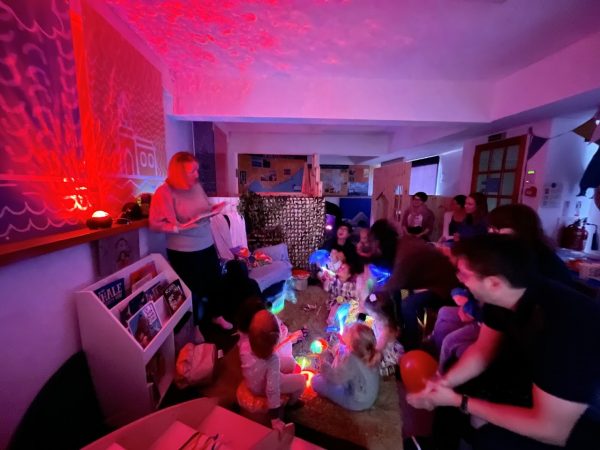
Little Neuk Storytelling Centre
Anstruther · ⭐ 5.0
Pittenweem Beach
Pittenweem
Camping in St Andrews(8)
All campsites in St Andrews →About camping in St Andrews
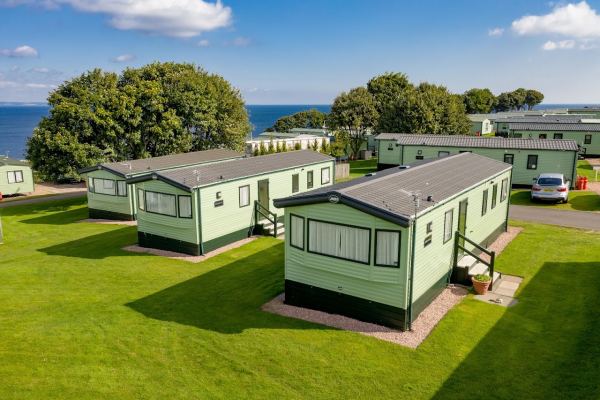
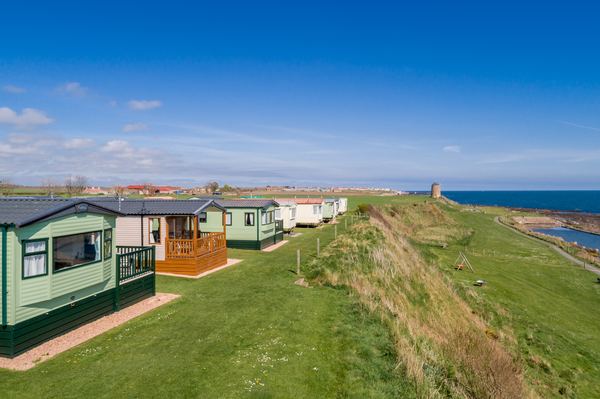
Camping around St Andrews means camping on the Fife coastal plain: gentle, well-drained farmland running down to low cliffs and long beaches, with almost no serious hills to contend with. The terrain is easy on both pitching and walking, and most parks sit on level, grassy ground a mile or two out of town. What you gain in convenience you give up in wildness; these are established holiday parks, not remote pitches.
Weather is the thing to plan around. Fife's east coast is among the driest parts of Scotland, which is good news for canvas, but it is also exposed to whatever the North Sea sends in. Wind is a likelier problem than rain, so pick a pitch with hedge or dune shelter and peg down properly. The haar can settle overnight and burn off by mid-morning, leaving everything damp, so a spare set of dry clothes earns its space.
Under the Land Reform (Scotland) Act 2003, wild camping is legal across most unenclosed land in Scotland, provided you follow the Scottish Outdoor Access Code: small groups, one or two nights in one spot, well away from houses and roads, no fires where there is any risk, and everything carried out again. In practice the land immediately around St Andrews is enclosed farmland, golf course or nature reserve, none of which is suitable, and the beaches and dunes are heavily used and often subject to local restrictions. If you want to wild camp, walk south along the Fife Coastal Path towards Kingsbarns and Fife Ness and find open ground well beyond the town, or head inland to the Lomond Hills.
The season runs roughly from March to October, and most parks shut for the winter. May, June and September are the pick of it: long daylight, settled conditions, and none of the July and August pressure on pitches. Book ahead for weekends from mid-June to late August, and for the Dunhill Links week in autumn, when even the campsites fill. Midges are far less of an issue here than on the west coast, but pack repellent for still evenings inland.
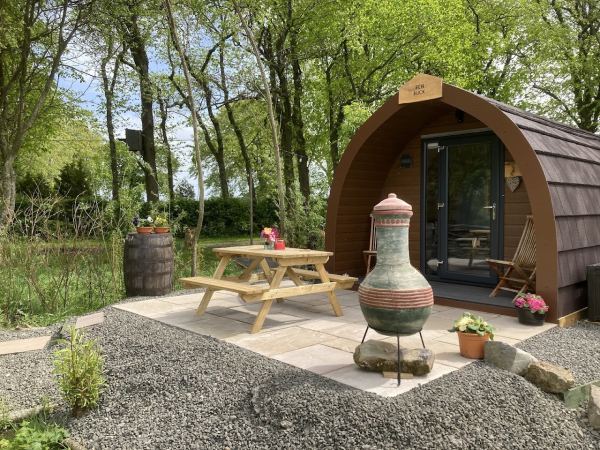
Alba Yurts
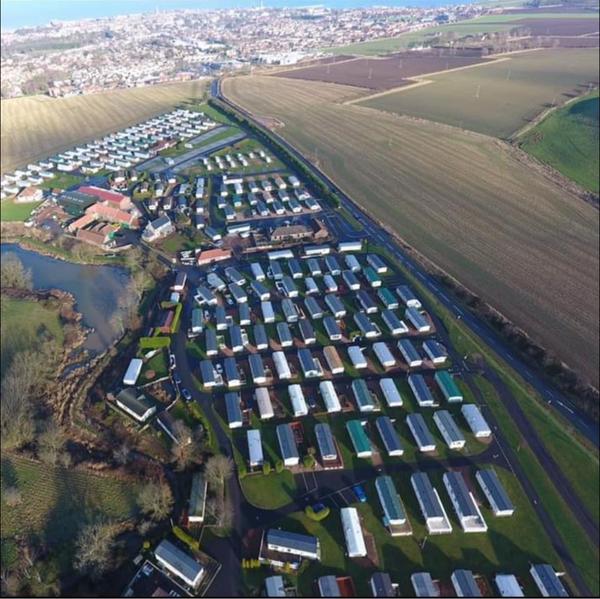
Cairnsmill Caravan Park
⭐ 4.6 · from £30/night
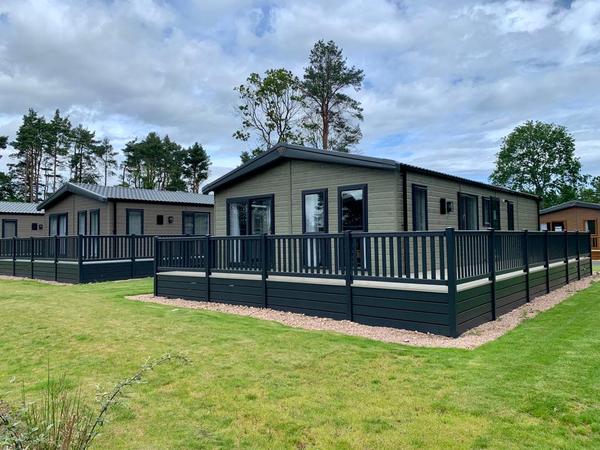
Craigtoun Meadows Holiday Park
⭐ 4.6 · from £32/night

Off Grid Travel at Cambo Estate
⭐ 5.0 · from £500/night
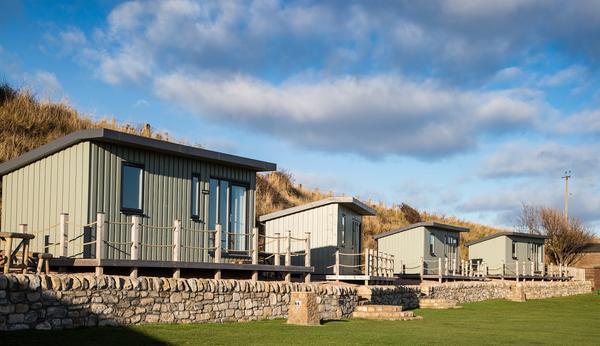
Sauchope Links Holiday Park
⭐ 4.3 · from £26/night
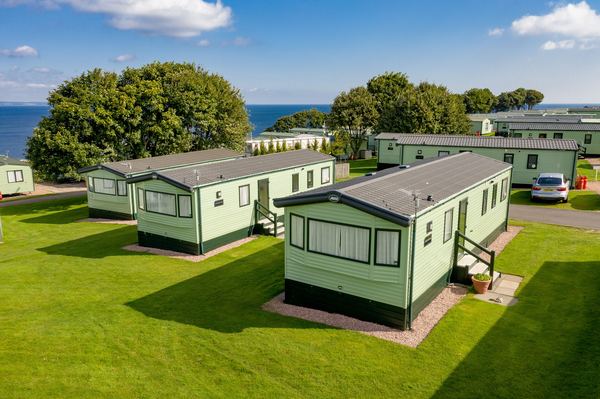
St Andrews Holiday Estate
⭐ 4.4
St Andrews Holiday Park
⭐ 4.4
St Monans Holiday Park
⭐ 4.3
Self-Catering Cottages in St Andrews
All cottages in St Andrews →Torrance at Abbey Park Avenue
2 bed · sleeps 4 · from £1,076
The Golf Place
3 bed · sleeps 6 · from £3,511
Helenslea
3 bed · sleeps 6
St Andrews Hideaway
1 bed · sleeps 2
The Rest
1 bed · sleeps 2 · from £897
Swilken Sanctuary
2 bed · sleeps 4
Burnside
3 bed · sleeps 6 · from £487
Burnside East Cottage
2 bed · sleeps 4 · from £537
Common questions about St Andrews
How many campsites are there in St Andrews?
We list 8 campsites in and around St Andrews, of which 8 take tents and 6 offer glamping.
Are there dog-friendly campsites in St Andrews?
Yes — 3 of the 8 campsites we list in St Andrews accept dogs, including Cairnsmill Caravan Park and Craigtoun Meadows Holiday Park.
Which campsites in St Andrews have electric hook-up?
5 of the 8 campsites we list in St Andrews offer an electric hook-up.
Where can I stay in St Andrews?
We list 29 hotels, B&Bs and guest houses in and around St Andrews. Prices start from around £95 a night.
What is there to do in St Andrews?
We list 10 attractions and things to do in and around St Andrews.
Where can I eat in St Andrews?
We list 3 restaurants, pubs and cafes in and around St Andrews.