West Hoathly
History, hills and hidden gardens in the heart of the High Weald
Photo © Tim Sheerman-Chase, CC (Wikimedia Commons)
Perched on a sandstone ridge between the North and South Downs, West Hoathly has been a settled hilltop village since before the Norman Conquest, when St Margaret's Church was first founded. Its huddle of tile-hung cottages and timber-framed buildings looks out over the High Weald, a landscape of small irregular fields, ancient woodland and sunken lanes that has changed remarkably little in shape since medieval times. The village prospered in Tudor times on the back of the Wealden iron industry, and that era's wealth is still visible in the solid stone-and-timber houses clustered around the church.
Today West Hoathly is a quiet, close-knit community rather than a tourist honeypot, which is precisely its appeal. It makes an excellent base for exploring the wider High Weald Area of Outstanding Natural Beauty, with Ashdown Forest, Wakehurst and the Bluebell Railway all within easy reach, while the village itself rewards a slow wander with genuine historic interest rather than manufactured attractions.
Getting to West Hoathly
West Hoathly sits just off the B2028 between East Grinstead and Haywards Heath, around 3 miles south-west of East Grinstead. By car it is roughly 40 minutes from Gatwick Airport and under an hour and a half from central London via the M23 and A264. The nearest mainline station is East Grinstead, on the Oxted line with direct trains from London Bridge and London Victoria, from where a taxi or the Bluebell Railway (seasonal timetable) can bring you the rest of the way via Kingscote. Haywards Heath, on the main Brighton line, is a similar distance in the other direction.
Best time to visit West Hoathly
Spring brings bluebells to the surrounding Wealden woods and the Priest House garden into bud, while summer is the obvious choice for the Cat Inn's garden, Gravetye's famous herbaceous borders and the busiest Bluebell Railway timetable. Autumn colours the beech hangers of the High Weald spectacularly, and the village is at its most atmospheric in the low winter light, though some attractions reduce their hours outside the main season, so it is worth checking opening times for the Priest House and Wakehurst in advance.
Where to stay in West Hoathly
All hotels in West Hoathly →About staying in West Hoathly
West Hoathly itself has only a small number of places to stay, most notably characterful rooms at the historic Cat Inn, right in the heart of the village and within easy walking distance of the Priest House and St Margaret's Church. For a wider choice of hotels, guest houses and chain options, East Grinstead and Haywards Heath are both a short drive away and offer good rail links back to London, making either a practical base for touring the High Weald. Those after something more indulgent should look to Gravetye Manor, the Elizabethan manor house on the village's doorstep, now a country-house hotel built around William Robinson's celebrated gardens, with an acclaimed restaurant using produce from its own walled kitchen garden. Further afield, the wider High Weald and Ashdown Forest area is well served by boutique inns and farmhouse B&Bs, many set in converted oast houses or Wealden barns, giving visitors the choice between staying in the thick of the village's history or retreating to quieter countryside a short drive away.
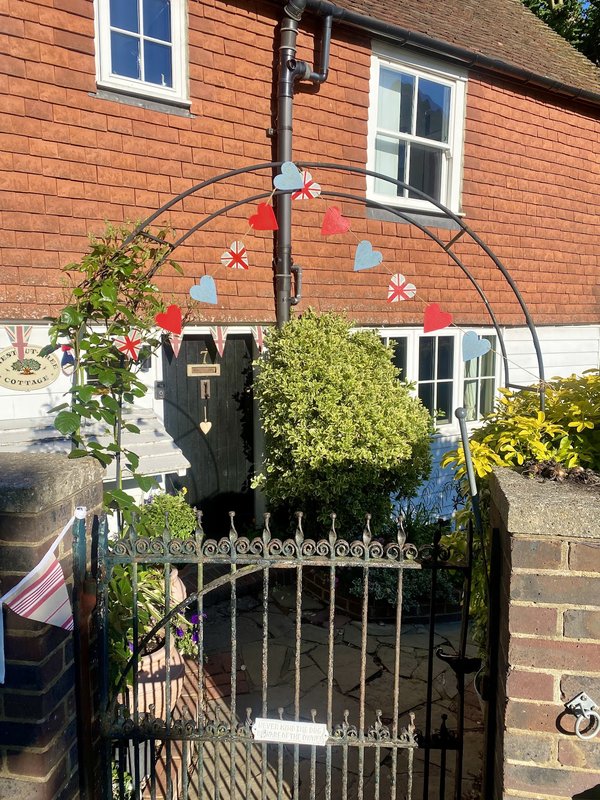
The Ardingly Inn
Street Lane, Ardingly
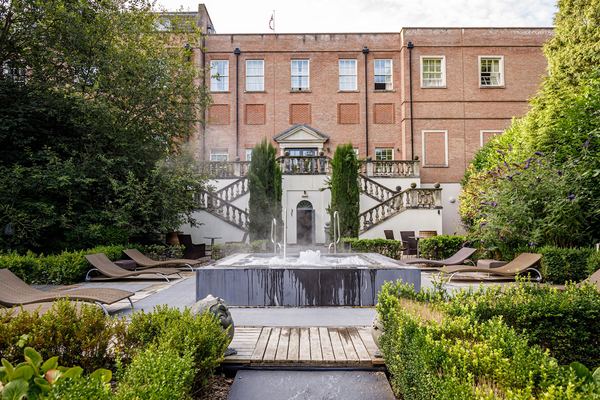
Alexander House And Utopia Spa
Turners Hill, East Grinstead
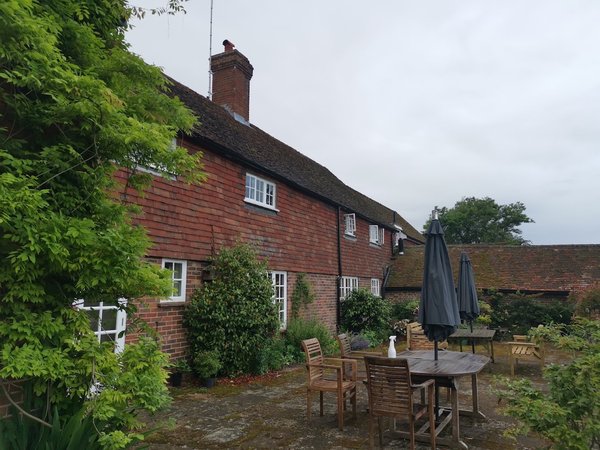
Twyford Farm B&B
Twyford Lane, Haywards Heath
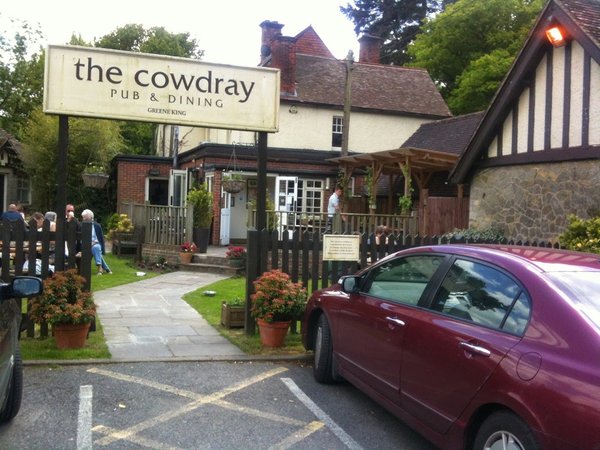
The Cowdray Arms
London Road, Haywards Heath
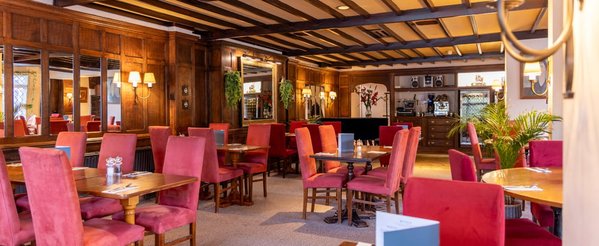
Roebuck by Greene King Inns
Wych Cross, Forest Row
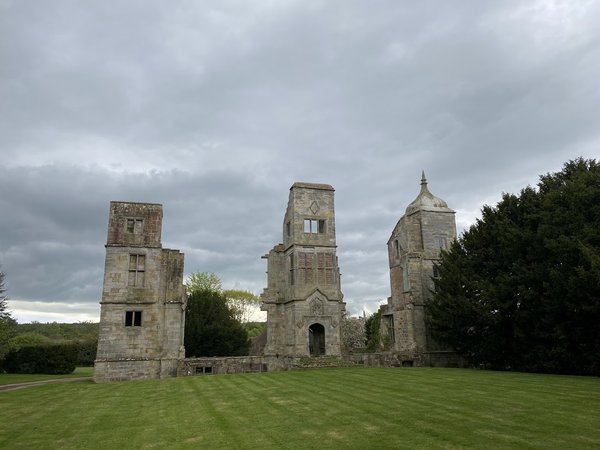
Brambletye Hotel
The Square, Forest Row
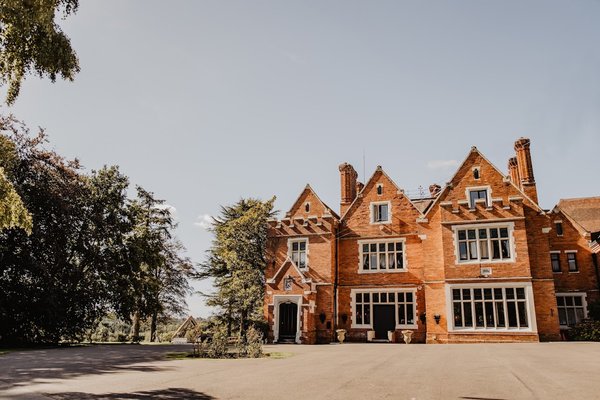
Highley Manor
Crawley Lane, Haywards Heath
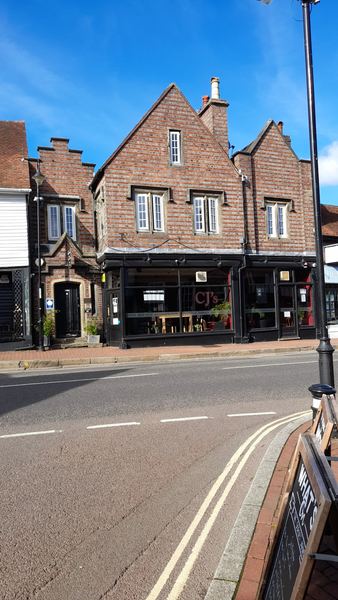
Gothic House
55 High Street, East Grinstead
Things to Do in West Hoathly
All attractions in West Hoathly →Top things to do in West Hoathly
West Hoathly is small, but it punches well above its weight for genuine, unspoilt history. Highlights include:
- The Priest House Museum and Garden — a timber-framed hall house built around 1400 for the priory of St Pancras in Lewes, later extended into a yeoman farmer's home. It is now a museum of country furniture, ironwork and domestic bygones, and holds the extraordinary Suffragette Handkerchief, embroidered by women imprisoned at Holloway in 1912. The cottage garden holds over 170 herbs.
- St Margaret's Church — the parish church at the heart of the village, with roots going back to the 11th century and a Norman font among its historic features.
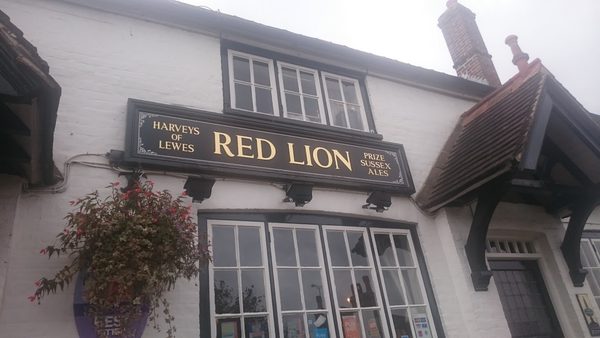
- The Cat Inn — a 16th-century timber-framed pub once part of the Sackville estate, said to take its name from the wild cats on the family's coat of arms; a well uncovered during renovations was still in use as late as 1724.
- Gravetye Manor gardens — the Elizabethan manor a short walk from the village was bought in 1884 by William Robinson, the pioneering "wild garden" writer, who laid out the grounds that still influence English gardening today.
- High Weald AONB walking — the footpaths radiating from West Hoathly cross classic Wealden scenery of shaws, ghylls and hop-garden fields, with the Sussex Border Path passing close by.
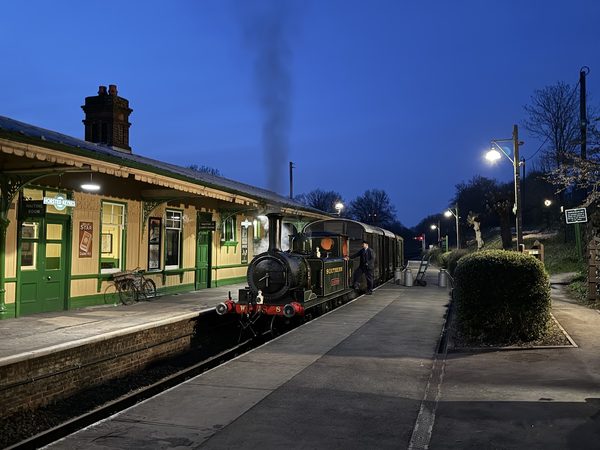
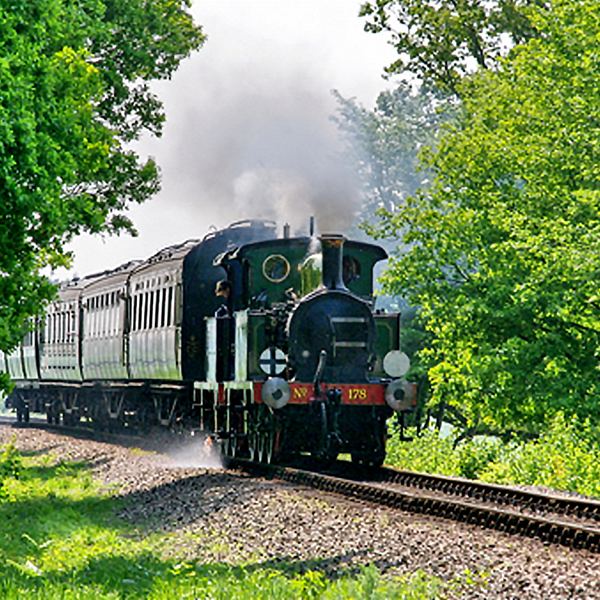
- Bluebell Railway (Kingscote station) — the nearest working station on this much-loved heritage steam line is a walkable distance away, with trains running through wooded Wealden cuttings to Sheffield Park and East Grinstead.
- Wakehurst and the Millennium Seed Bank — Kew's wild botanic garden, home to the world's largest wild plant seed conservation project, lies about a mile and a half to the south-west.
Where to Eat in West Hoathly
All restaurants in West Hoathly →Food and drink in West Hoathly
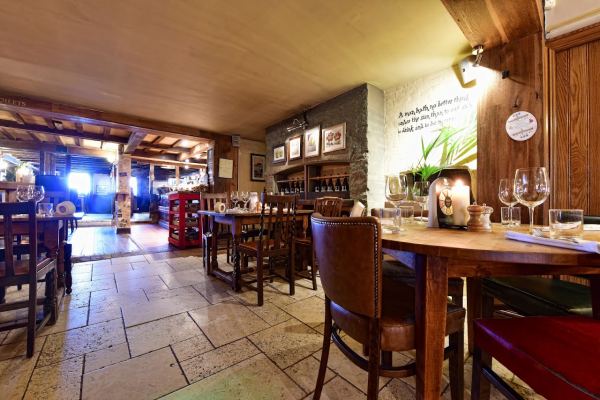
The Cat Inn is the obvious focal point, a 16th-century timber-framed pub serving seasonal, produce-led food alongside real ales in a warren of low-beamed rooms. For a special occasion, Gravetye Manor's restaurant draws on its own walled kitchen garden and orchards to put a modern, ingredient-driven spin on English country-house cooking. The Priest House Museum also runs a small tea room in season, a pleasant stop after exploring the gardens.

Attractions Near West Hoathly
All attractions in West Hoathly →Worth the trip — within 50 miles of West Hoathly.
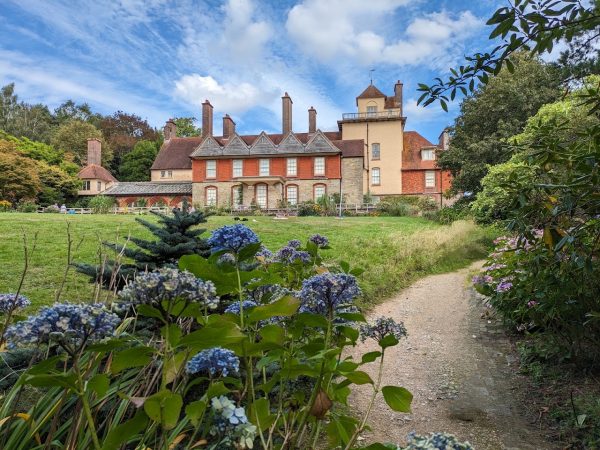
Wakehurst
Ardingly · ⭐ 4.6
 3 mi
3 mi
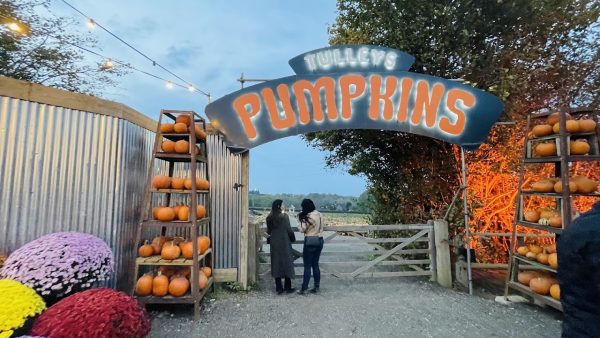
Standen House and Garden
East Grinstead · ⭐ 4.7
 3 mi
3 mi
Pumpkin Picking at Tulleys Farm
Crawley · ⭐ 4.7
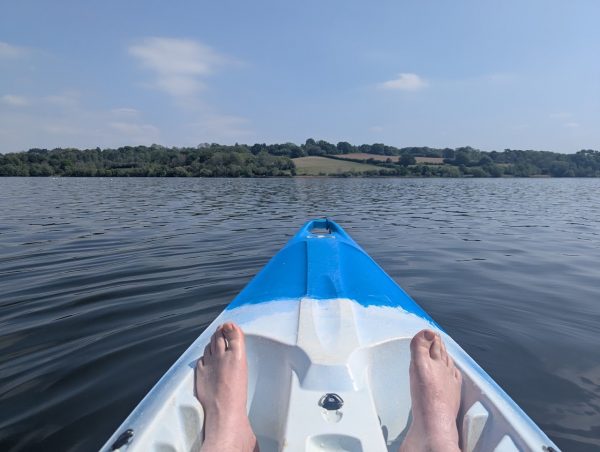 3 mi
3 mi
Ardingly Activity Centre
Ardingly · ⭐ 4.7
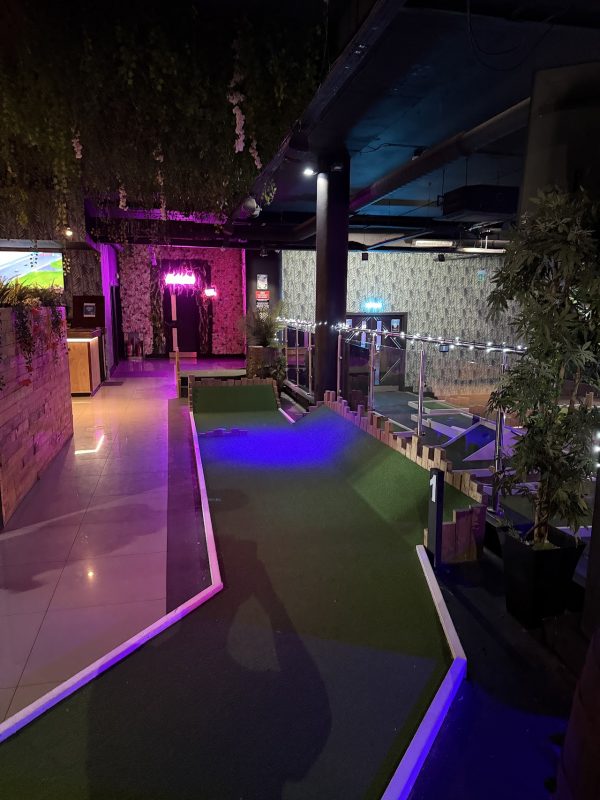 4 mi
4 mi
Kings18
East Grinstead · ⭐ 4.7
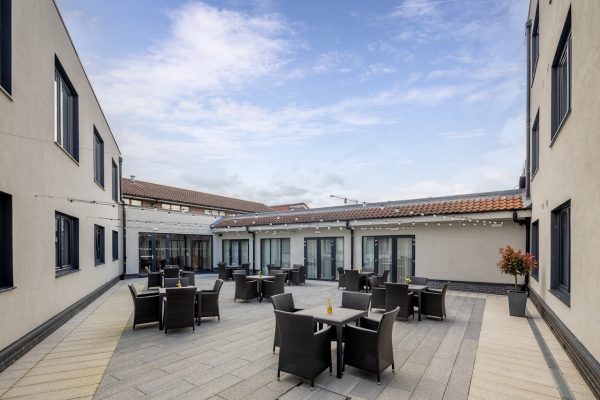 5 mi
5 mi
Halloween Afternoon Tea at the Holiday Inn Gatwick Worth
Crawley · ⭐ 4.2
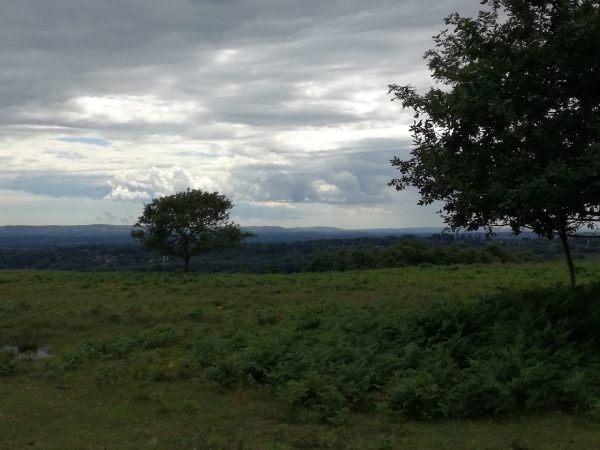 5 mi
5 mi
Ashdown Forest
Wych Cross · ⭐ 4.6
 5 mi
5 mi
Wings Museum
Balcombe · ⭐ 4.7
Camping in West Hoathly(1)
All campsites in West Hoathly →About camping in West Hoathly
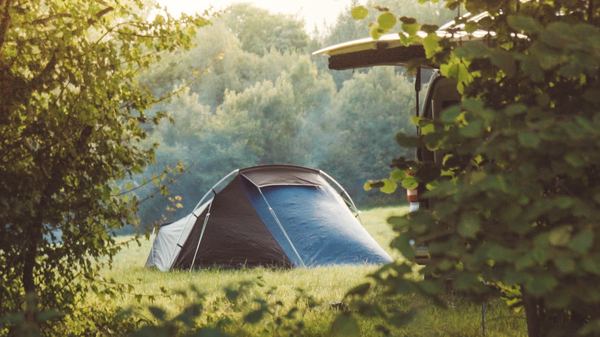
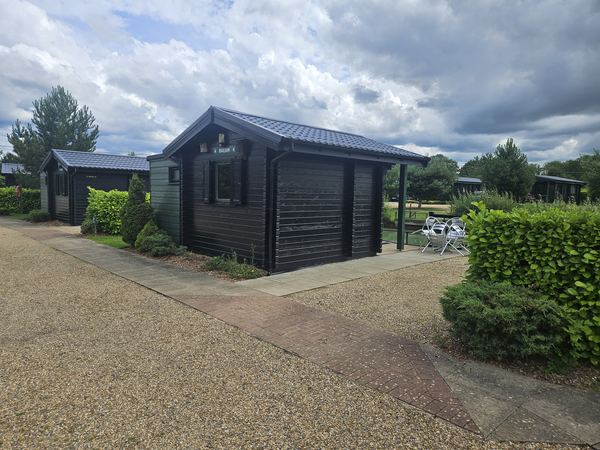
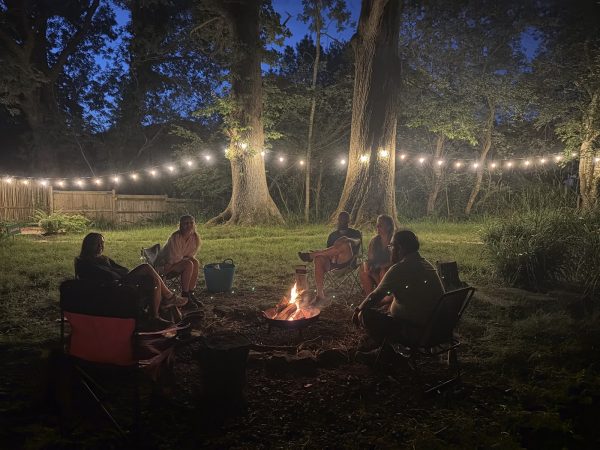
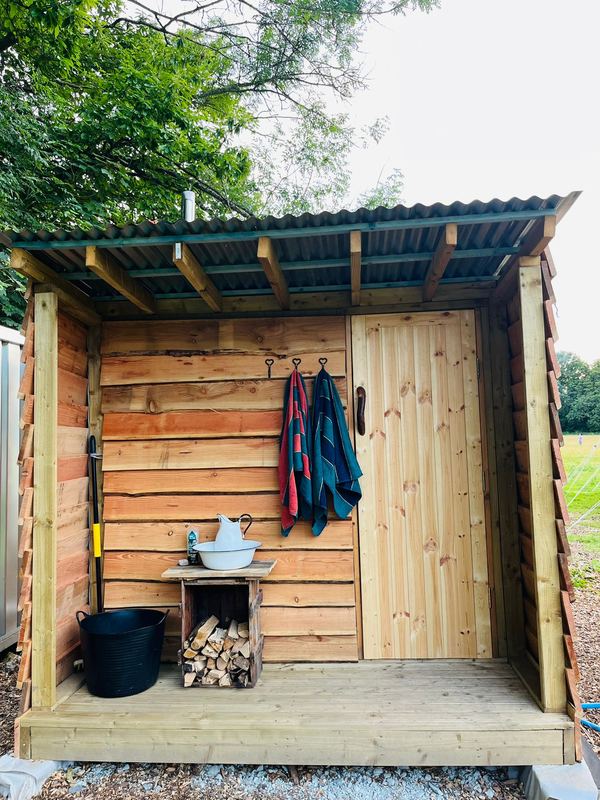
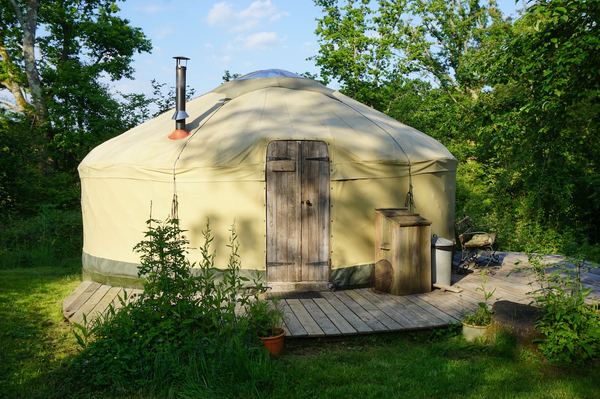
West Hoathly and the surrounding High Weald offer some lovely, low-key camping country, though it is worth remembering that wild camping without the landowner's permission is illegal in England, so an established campsite or a farm pitch with the owner's agreement is the way to go. The Weald's terrain of small fields, shaws and ghylls (steep wooded stream valleys) makes for sheltered, intimate pitches rather than wide open ground, and several local farms and smallholdings offer simple camping alongside more developed touring sites near East Grinstead and Haywards Heath. The heavy clay-and-sandstone soils of the Weald mean the ground can turn soft after rain, so late spring through to early autumn is the most reliable window, with June to September offering the driest pitches and the best chance of long evenings to enjoy the surrounding countryside. Bluebell season in April and May adds a particular reason to pitch up nearby, with the ancient woodlands around West Hoathly and Ashdown Forest putting on one of the region's best seasonal displays. For those who prefer a roof over their heads without giving up the outdoor feel, glamping has taken hold across the High Weald in recent years, with shepherd's huts, safari tents and converted horseboxes appearing on farms within easy reach of the village, typically offering proper beds, log burners and a lower-effort alternative to a traditional tent while keeping the same rural, wooded setting. Whichever option you choose, book ahead in peak summer weekends, as sites across this popular corner of Sussex fill quickly once the weather turns fine.


Self-Catering Cottages in West Hoathly
All cottages in West Hoathly →Stablehurst Cottage
2 bed · sleeps 4 · from £1,932
Horncombe Stables
2 bed · sleeps 5 · from £1,061
Ridge Hill Manor
6 bed · sleeps 9 · from £3,610
Sheriff Cottage
3 bed · sleeps 6 · from £617
The Orchard Loft
3 bed · sleeps 6 · from £1,031
Crown Cottage
3 bed · sleeps 6 · from £523
Forest View Barn
1 bed · sleeps 2 · from £1,172
Quail Cottage
1 bed · sleeps 2 · from £417
Common questions about West Hoathly
How many campsites are there in West Hoathly?
We list 1 campsites in and around West Hoathly, of which 1 take tents and 1 offer glamping.
Are there dog-friendly campsites in West Hoathly?
Yes — 1 of the 1 campsites we list in West Hoathly accept dogs, including Hook Farm Campsite.