York
Roman walls, Viking streets and a cathedral city that walks
Photo © Bnar Sidiq, Google Maps
York sits in the flat Vale of York, where the River Ouse and the smaller River Foss meet, roughly midway between London and Edinburgh on the East Coast Main Line. The Yorkshire Wolds rise to the east, the North York Moors to the north-east and the Yorkshire Dales to the west, which makes the city an unusually convenient base for a holiday that mixes urban sightseeing with proper countryside. Yet the city itself is small. The historic core is enclosed by around 3.4 kilometres of medieval walls, and you can cross it on foot in twenty minutes without hurrying.
What distinguishes York from other English cathedral cities is the sheer density of its history. The Romans founded Eboracum here in AD 71 as a legionary fortress; Constantine was proclaimed emperor on this spot. The Vikings took the city in the ninth century and renamed it Jorvik, leaving behind the street names ending in -gate that still confuse visitors, since gate means street and bar means gate. The medieval city grew rich on wool and left the Minster, the walls and a tangle of timber-framed lanes. The Victorians added the railway, which brought the chocolate industry that employed much of the city into living memory. All of that is legible in a single afternoon's walk.
The result is a city that rewards wandering rather than ticking off. The snickelways, York's word for its narrow passages between buildings, connect one street to another in ways no map quite captures. Independent shops outnumber chains in several quarters, the pub density is high even by northern standards, and the whole place is walkable enough that you rarely need to think about transport once you have arrived.
Getting to York
Rail is the obvious choice. LNER runs frequent direct trains from London King's Cross, with the journey taking around one hour 50 minutes on the fastest services and departures roughly every half hour through the day. Edinburgh is about two and a half hours north, Leeds around 25 minutes, Manchester Piccadilly about an hour and a half, and Birmingham roughly two hours 20 minutes with CrossCountry. York station is a five-minute walk from the walls and ten from the Minster, so no onward transport is needed.
By road, York sits just off the A64, which links the A1(M) to the west with Scarborough to the east. From the south, leave the A1(M) at junction 44 and follow the A64 for about 15 miles. From the M62 corridor, the A1(M) north then A64 is the standard route. Driving into the centre is a poor idea: the medieval street pattern was not built for cars, several streets are pedestrianised during the day, and city-centre parking is expensive. Use one of the Park and Ride sites on the ring road instead, where buses run into town every ten to fifteen minutes and an all-day return costs a few pounds.
Leeds Bradford is the nearest airport, about an hour away by road, though there is no direct rail link. Manchester Airport has a direct train to York taking roughly two hours, which for many international visitors is the simplest arrival. Newcastle and Doncaster Sheffield are also within reach.
Best time to visit York
Spring, from late March to May, is arguably the best window. Daffodils cover the banks beneath the walls near Micklegate Bar in late March, the Museum Gardens come into leaf, and daytime temperatures climb from around 11C in March to the high teens by May. Crowds are noticeably thinner than in summer and hotel rates are lower.
Summer brings the warmest weather, with July and August averaging around 19C to 22C, long light evenings and the fullest programme of river cruises, open-air theatre and festivals. It is also the busiest and most expensive period, and the Shambles can be uncomfortably packed by early afternoon. Book accommodation well ahead if you are coming in August.
Autumn works well in September and early October, when the weather often holds and visitor numbers drop away after the school holidays. Later autumn turns damp and the light goes early, though the city's pubs and museums are all the more appealing for it.
Winter divides sharply. From mid-November to just before Christmas, the St Nicholas Fair fills the centre with wooden chalets, mulled wine and craft stalls, and the city is at its busiest and most atmospheric. January and February are the quietest and cheapest months, cold with temperatures often between 0C and 7C, but the ice trail in early February brings hundreds of sculptures to the streets for a weekend.
Where to stay in York(146)
All hotels in York →About staying in York
Choosing where to base yourself in York matters less than in most cities, simply because the historic core is so small. Almost anything inside or immediately outside the walls puts the Minster, the Shambles and the station within a fifteen-minute walk. What changes between areas is atmosphere, noise and price.
Couples on a short break usually do best inside the walls, particularly around Petergate, Stonegate or the Minster quarter, where you can step out of the door into the medieval streets and walk home after dinner without thinking about taxis. Micklegate suits anyone arriving by train who wants a quieter night: the townhouse hotels there are a five-minute walk from the platforms and a ten-minute walk from the centre, with the National Railway Museum in between.
Families tend to find better value slightly out. Bootham and Clifton to the north have larger Victorian B and Bs and guest houses with family rooms and, crucially, somewhere to leave the car. Bishopthorpe Road to the south has the same advantages plus a genuinely good local high street and Rowntree Park for children to burn off energy. Fulford and the villages beyond, such as Escrick and Sutton-on-the-Forest, suit drivers who plan to spend days out in the Moors, the Wolds or the Dales and only want York as an evening base.
Price expectations are straightforward. A decent double in a city-centre hotel starts around 110 to 140 pounds a night in the quieter months and climbs sharply from May onwards. Country-house hotels on the edge of the city sit closer to 200 to 280 pounds. Guest houses on Bishy Road or in Bootham typically run 80 to 120 pounds with breakfast.
Book well ahead for three periods in particular: the St Nicholas Fair from mid-November to Christmas, race meetings at York Racecourse, which fill the city several times between May and October, and the August school holidays. On race days in particular, rates can double and availability disappears months in advance. Midweek stays in January, February and early March offer the best value of the year.
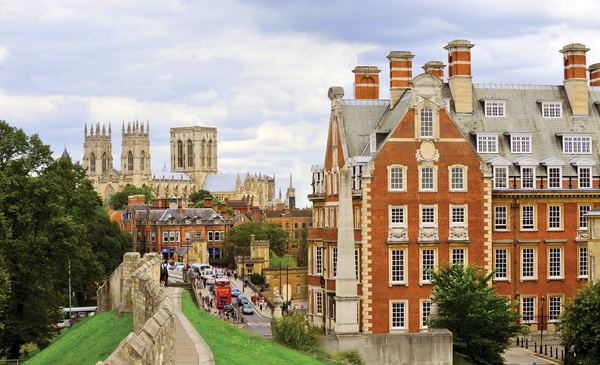 8.9
8.9
The Grand, York
Station Rise, central York
from £195/night
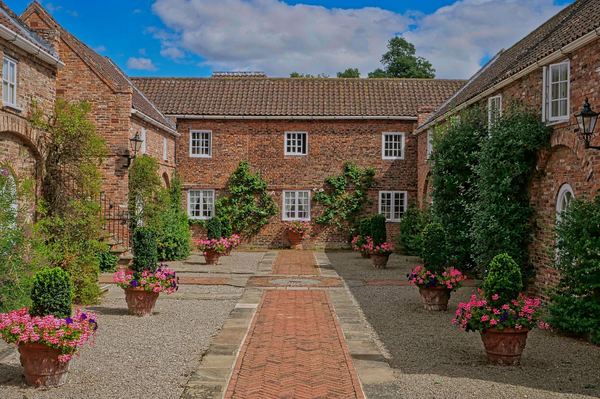 9.0
9.0
Middlethorpe Hall & Spa
Bishopthorpe Road, two miles south of York
from £210/night
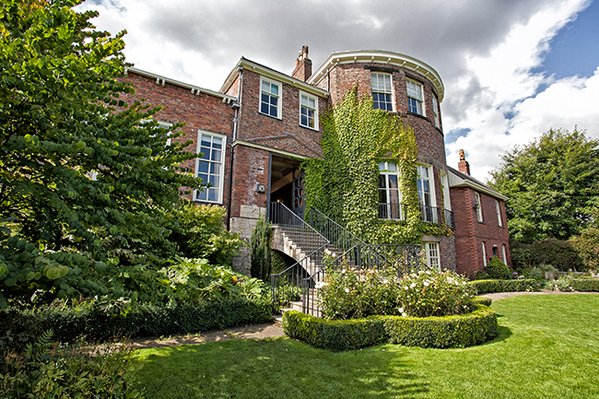 9.1
9.1
Grays Court
Chapter House Street, beside York Minster
from £230/night
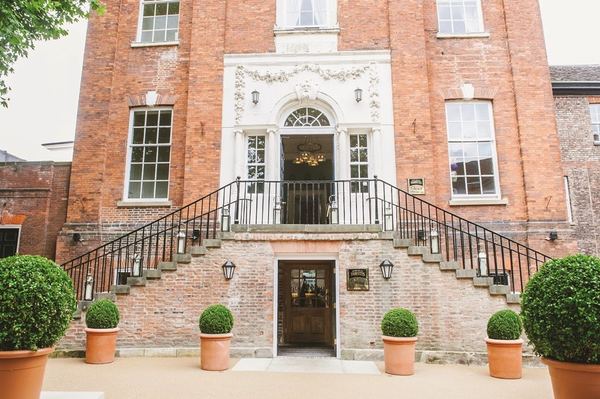 8.5
8.5
The Judge's Lodging
Lendal, in the shadow of York Minster
from £110/night
 8.4
8.4
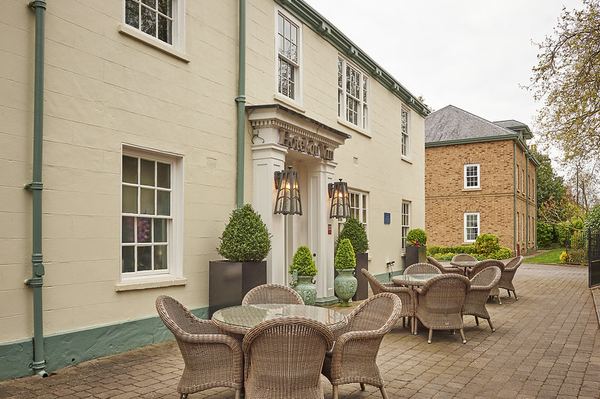
Hotel du Vin & Bistro York
The Mount, ten minutes from the walls
from £140/night
 8.6
8.6
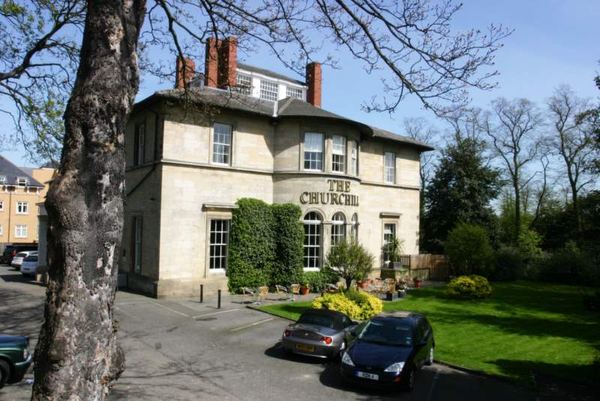
The Churchill Hotel
65 Bootham, near Bootham Bar
from £125/night
 8.3
8.3
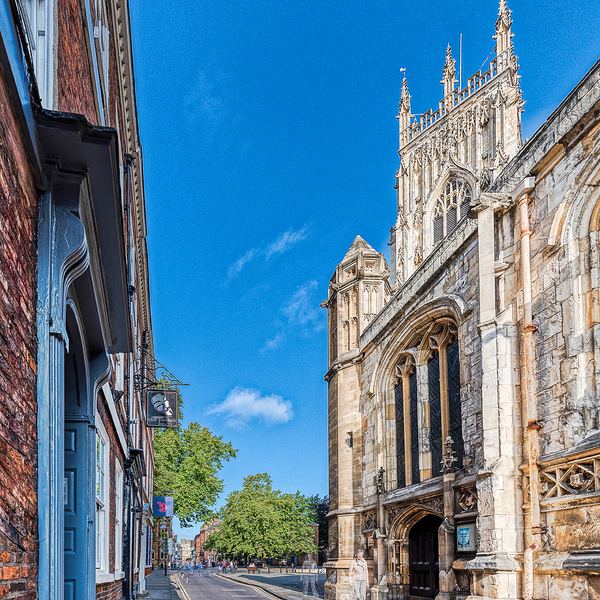
Guy Fawkes Inn
High Petergate, beside York Minster
from £95/night
 9.2
9.2
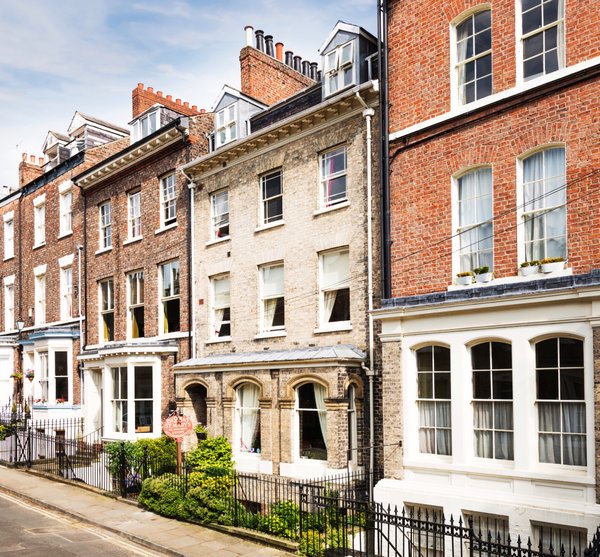
23 St Marys Guest House
St Mary's, off Bootham
from £110/night
Things to Do in York(56)
All attractions in York →Top things to do in York
The main sights cluster tightly, so a two-day visit covers most of them comfortably.
- York Minster The largest Gothic cathedral in northern Europe, with the Great East Window holding the biggest expanse of medieval stained glass anywhere. The undercroft explains the Roman and Norman foundations beneath, and 275 steps take you up the central tower for a view across the rooftops to the Moors on a clear day.
- The city walls The longest medieval town walls in England, walkable as a near-complete circuit with breaks where the medieval builders relied on marshland instead. The stretch between Bootham Bar and Monk Bar gives the classic view of the Minster and takes about fifteen minutes.
- The Shambles A narrow medieval street of overhanging timber-framed buildings that once housed butchers' shops, with the meat hooks still visible on some frontages. It is busy from mid-morning onwards, so go early if you want a photograph without a crowd.
- Jorvik Viking Centre Built over the Coppergate excavation that uncovered the Viking city, it carries you through a reconstructed tenth-century street on a suspended car, complete with the smells archaeologists reconstructed from the dig.
- National Railway Museum Free to enter and enormous, with Mallard, a Japanese bullet train and a royal carriage collection among the exhibits. It sits just behind the station, which makes it an easy first or last stop.
- York Castle Museum Best known for Kirkgate, a full-scale reconstructed Victorian street, and for the cells of the debtors' prison where Dick Turpin was held before his execution.
- Clifford's Tower The quatrefoil keep on its steep mound is all that survives above ground of York Castle, and a viewing deck installed in recent years lets you walk around inside at height.
- Yorkshire Museum and Museum Gardens Roman and Anglo-Saxon collections including the Middleham Jewel, set in ten acres of botanical gardens that contain the ruins of St Mary's Abbey.
Where to Eat in York(562)
All restaurants in York →Food and drink in York
York eats well for its size. Yorkshire pudding is the obvious starting point, served properly as a course in its own right with onion gravy in the older pubs, and Sunday lunch here is a serious institution. Local cheeses from Wensleydale and Swaledale turn up on most menus, as does Yorkshire forced rhubarb in late winter.
Bettys on St Helen's Square has been serving afternoon tea since 1936 and remains the city's best-known address, with a queue outside most days and a fat rascal scone that has become a Yorkshire fixture. Shambles Market, tucked behind the famous street, has a run of street food stalls that make a cheap and good lunch. Spark York on Piccadilly, built from recycled shipping containers, houses independent food traders and bars in a more informal setting.
The city's chocolate heritage runs deep, with both Rowntree's and Terry's founded here, and York's Chocolate Story on King's Square tells that history. For drinking, the House of the Trembling Madness on Stonegate serves beer beneath a medieval roof, while the Blue Bell on Fossgate is the smallest pub in the city and largely unchanged since 1903. Fossgate and Walmgate between them hold most of the better independent restaurants.




Attractions Near York
All attractions in York →Worth the trip — within 50 miles of York.
Van Gogh Immersive Experience Leicester
Leicester · ⭐ 4.0
 2 mi
2 mi
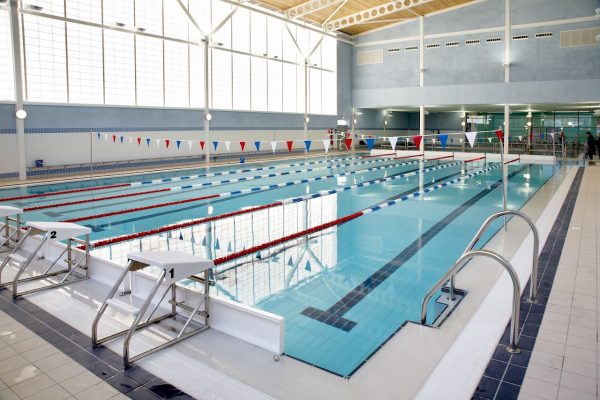
Energise Leisure Centre
Acomb · ⭐ 3.9
 2 mi
2 mi
Oxygen Activeplay York
Rawcliffe · ⭐ 4.5
 5 mi
5 mi
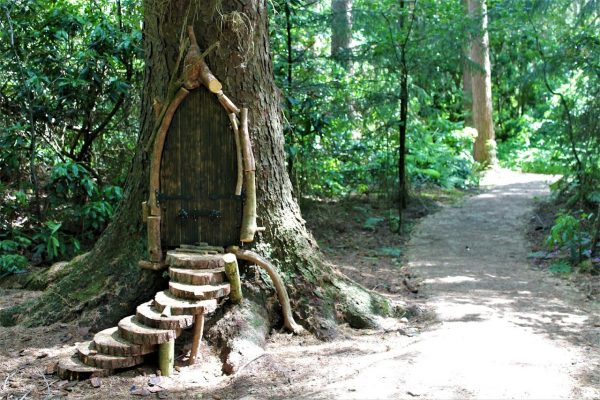
Piglets Adventure Farm Park
Towthorpe · ⭐ 4.6
 7 mi
7 mi
Dreamery Gardens
Nunnington · ⭐ 4.6
 9 mi
9 mi
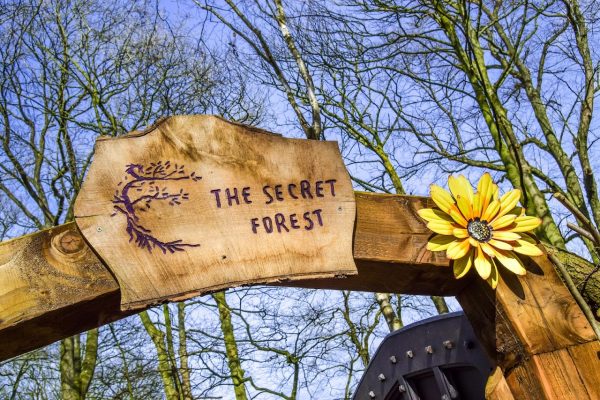
The Secret Forest
Tadcaster · ⭐ 4.9
Clayfever
Tadcaster
 10 mi
10 mi
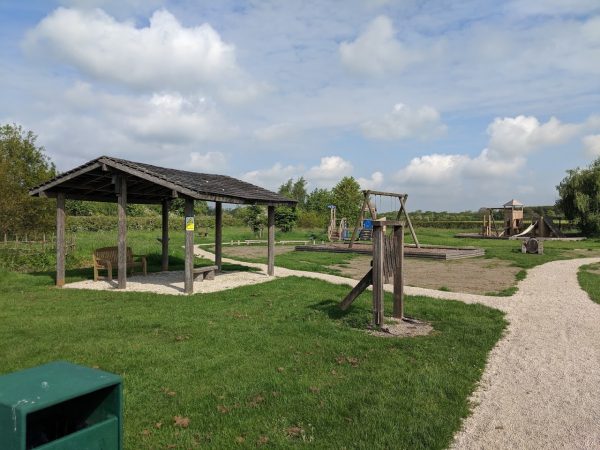
Jubilee Park Fangfoss
Fangfoss · ⭐ 4.7
Camping in York(64)
All campsites in York →About camping in York
Camping around York is easy going. The Vale of York is flat river-plain country, so pitches are almost universally level and well drained where sites have invested in hardstandings. That flatness is a real advantage for anyone towing a caravan or pitching a large family tent, and it makes cycling into the city genuinely pleasant rather than a workout. The trade-off is that the low-lying land beside the Ouse can flood in a wet winter, which is why most sites near the river close from late autumn until March.
Weather is the usual English compromise. The Vale of York is one of the drier parts of the north, sheltered by the Pennines to the west, but you should still expect rain on roughly a third of days in any month and pack accordingly. May, June and September are the sweet spot: warm enough to sit out in the evening, dry enough to strike a tent without wrestling wet canvas, and quiet enough to get a riverside pitch without booking a year ahead. July and August are warmest but busiest, and the school holidays fill family-oriented parks completely.
Wild camping is not legal in England without the landowner's permission, and that applies fully in and around York. There is no Dartmoor-style exception here, and the farmland of the Vale is all in private hands. Stick to a proper site, of which there are plenty within four to six miles of the centre.
What to bring: a groundsheet or footprint, because the clay soils hold water; long pegs, since the ground bakes hard in a dry summer; midge repellent for riverside pitches in June and July; and a bike, because the traffic-free Sustrans route beside the Ouse from Naburn into the city is the best way in. Glamping is thinner on the ground here than in the Dales, so if you want a pod or a safari tent, look at the parks further out towards the Howardian Hills. For tents, note that several of the closest sites take caravans and motorhomes only, so check before you set off.
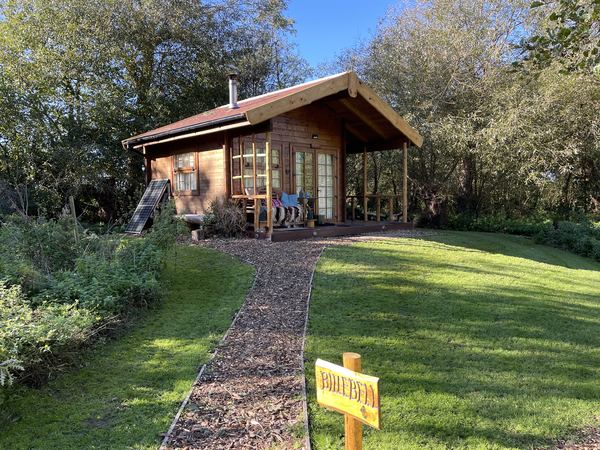
Acorn Glade York
⭐ 5.0
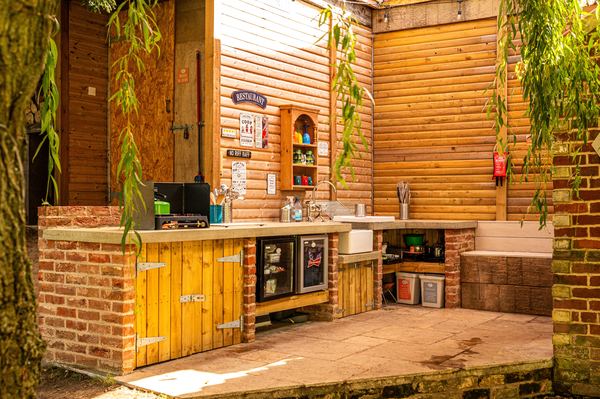
Aldwark Bridge Glamping
⭐ 5.0 · from £50/night
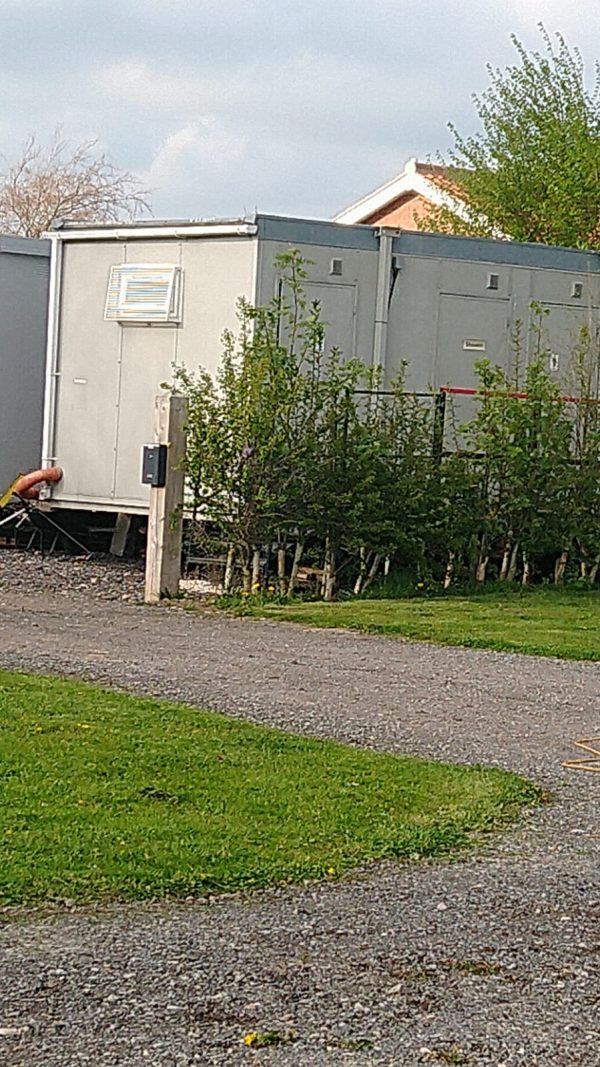
Beech Farm
⭐ 4.7 · from £25/night
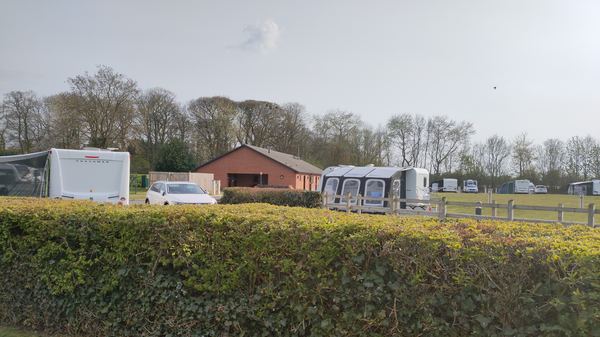
Beechwood Caravan Park York
⭐ 4.7 · from £28/night
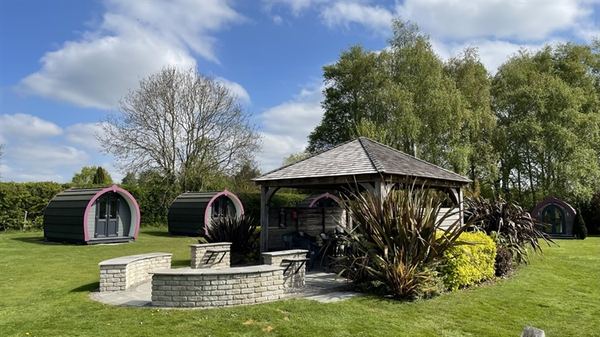
Belle Vista Glamping and Camping
⭐ 4.8 · from £20/night
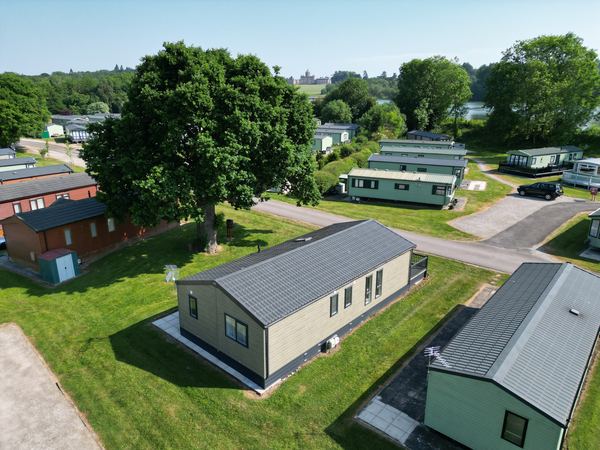
Castle Howard Lakeside Holiday Park
⭐ 4.2 · from £17/night
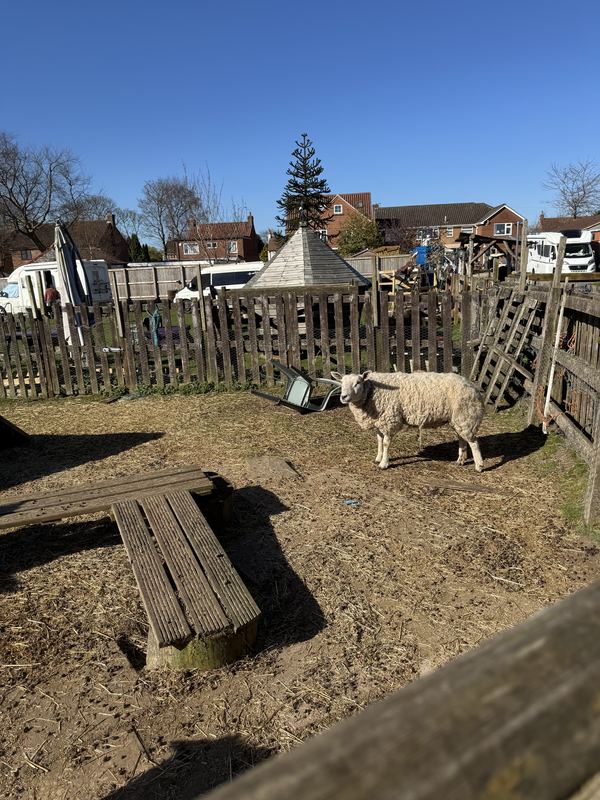
Cheeky Chicken Cottage
⭐ 4.8 · from £30/night
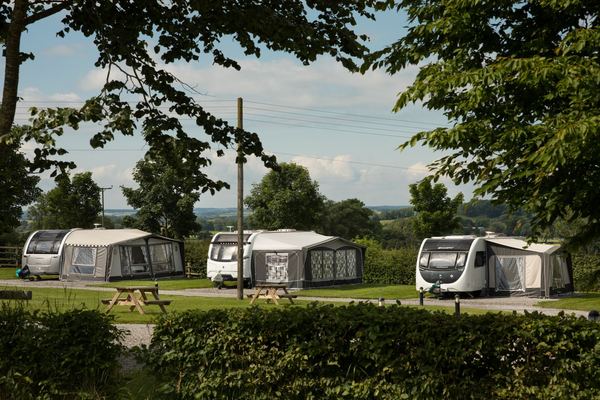
Cliff Farm Holidays
⭐ 4.8 · from £24/night
Self-Catering Cottages in York(135)
All cottages in York →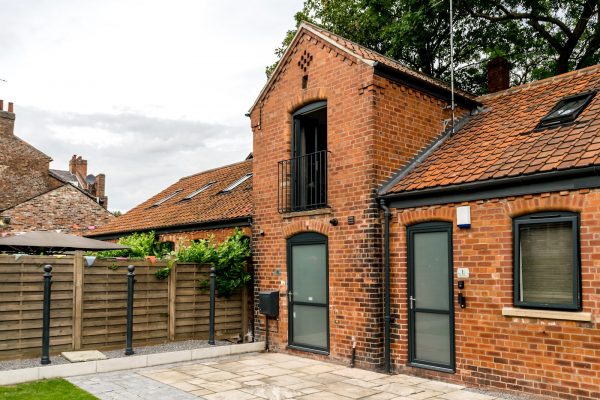
1 Monkbar Mews
3 bed · sleeps 6 · from £1,649
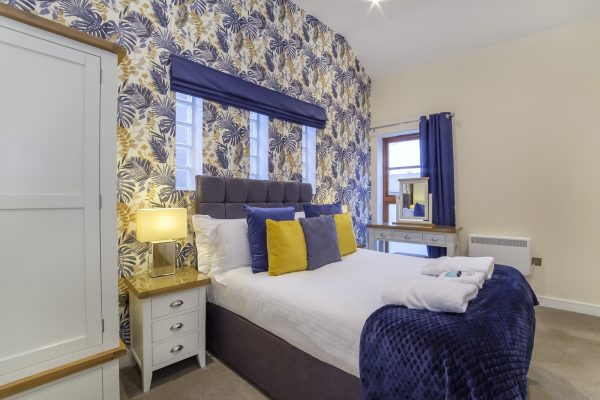
1 Reubens Court
1 bed · sleeps 2 · from £902
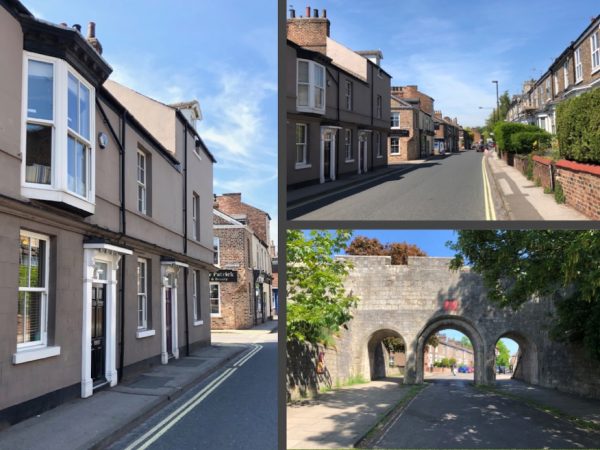
107 Nunnery
3 bed · sleeps 5 · from £1,553
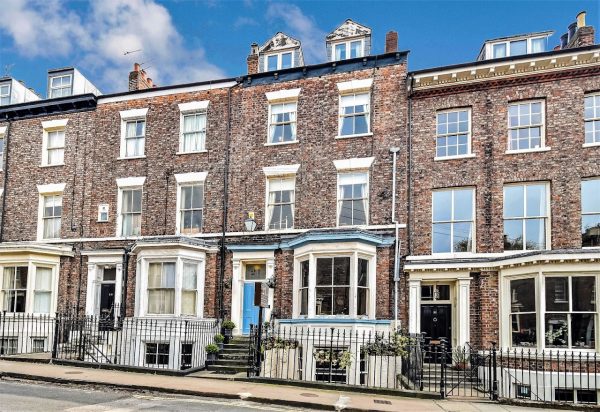
21 Kings
2 bed · sleeps 4 · from £1,795
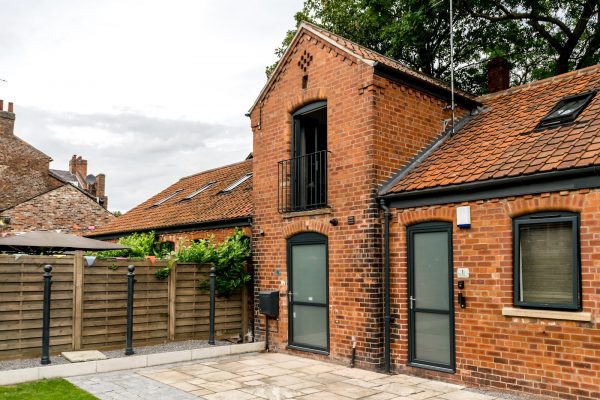
8B Monkbar Mews
1 bed · sleeps 3 · from £981
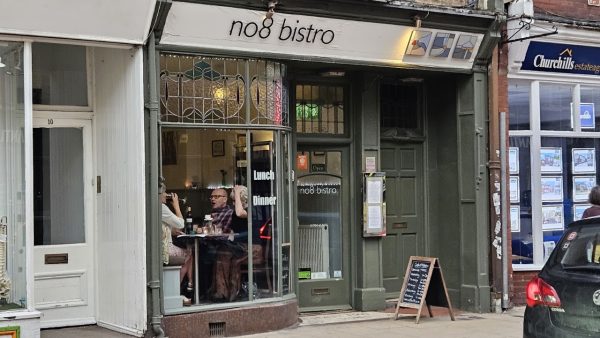
Apartment 8
2 bed · sleeps 6 · from £1,567
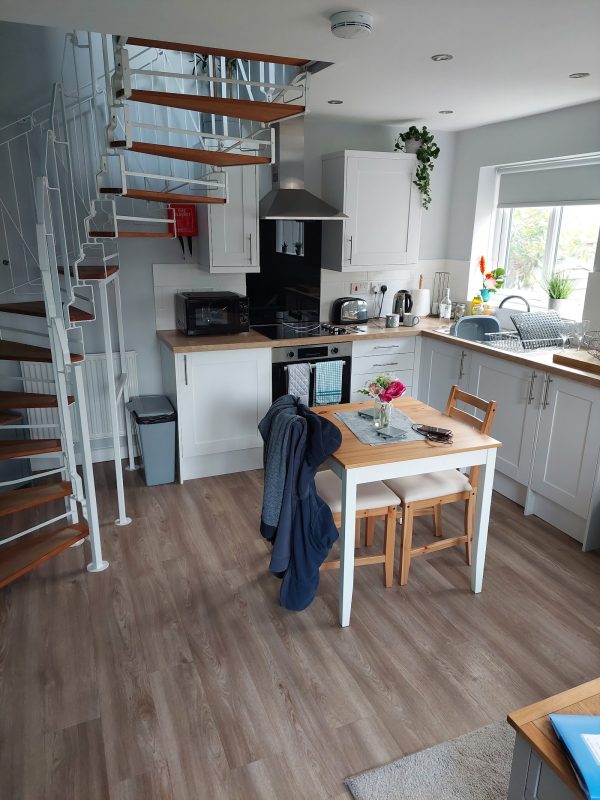
Ay Come Inn
1 bed · sleeps 2 · from £387
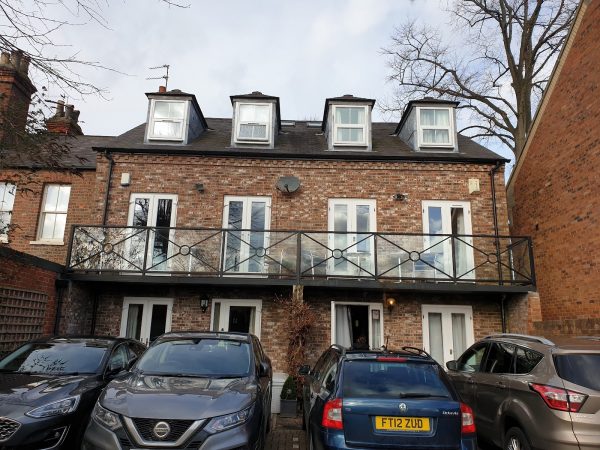
Baille Hill House
5 bed · sleeps 10 · from £1,152
Common questions about York
How many campsites are there in York?
We list 64 campsites in and around York, of which 58 take tents and 28 offer glamping.
Are there dog-friendly campsites in York?
Yes — 28 of the 64 campsites we list in York accept dogs, including Helmsley Meadows and Yorkshire Burrows.
Which campsites in York have electric hook-up?
44 of the 64 campsites we list in York offer an electric hook-up.
How many holiday cottages are there in York?
We list 135 self-catering cottages in and around York.
Can I take a dog to a holiday cottage in York?
Yes — 28 of the 135 York cottages we list allow pets.
Are there large holiday cottages in York for groups?
Yes — the largest cottage we list in York sleeps 20.
Where can I stay in York?
We list 146 hotels, B&Bs and guest houses in and around York. Prices start from around £85 a night.
What is there to do in York?
We list 56 attractions and things to do in and around York.
Where can I eat in York?
We list 562 restaurants, pubs and cafes in and around York.