Edinburgh
A capital of crags, closes and cobbled ambition
Photo © Geri Michalari, Google Maps
Edinburgh occupies a narrow strip of eastern Scotland between the Pentland Hills and the Firth of Forth, and almost every impression of the city is shaped by the volcanic rock underneath it. The castle sits on a plug of basalt left by an extinct volcano; behind it, the ridge of the Royal Mile slopes down towards Holyrood on a tail of glacial debris. Arthur's Seat rises to 251 metres barely a mile from the Scottish Parliament. Very few capital cities let you climb a proper hill before lunch and be back among bookshops and bars by mid-afternoon.
The city divides into two halves that could hardly be less alike. The Old Town is a tangle of tenements, wynds and closes stacked seven or eight storeys high, built upward because the medieval walls left nowhere else to go. Across the drained valley now occupied by Princes Street Gardens and Waverley station lies the New Town, laid out from 1767 to a grid plan by the young architect James Craig and filled in with sandstone terraces, circuses and squares. Together the two are a UNESCO World Heritage Site, and the contrast between them is the single most useful thing to understand about walking around Edinburgh.
It is a compact place. You can cross the historic centre on foot in half an hour, and much of what visitors come for sits within that walk. What lies beyond rewards the effort too: the port of Leith to the north-east, the village-like streets of Stockbridge along the Water of Leith, the long sands at Portobello, and the Pentlands rising green on the southern skyline. Edinburgh is also a city of extremes in atmosphere. For most of the year it is a working capital of lawyers, civil servants and 40,000 students; for three weeks each August it becomes the largest arts festival on earth.
Getting to Edinburgh
Edinburgh Waverley sits in the valley between the Old and New Towns, which makes arriving by train unusually convenient — you step out either onto Market Street below the Royal Mile or up onto Princes Street. LNER runs the East Coast Main Line from London King's Cross, a distance of about 331 miles, with the fastest services around four hours ten minutes and typical journeys between four and a half and five hours. Departures run roughly every half hour through the middle of the day. Trains from Newcastle take about an hour and a half, York around two and a half hours, and Glasgow Queen Street about 50 minutes on the frequent shuttle. Haymarket, one stop west, is often the better station if you are staying in the West End.
By road the A1 runs up the coast from Newcastle and the M6/A74(M)/M74 route serves the north-west of England, joining the M8 for the final approach. Driving in central Edinburgh is not enjoyable: the street pattern is medieval in places, low-emission rules apply in the city centre, and on-street parking is metered and heavily enforced. Park and ride sites at Ingliston, Straiton, Sheriffhall and Newcraighall are far less trouble, and the tram and bus links from them are straightforward.
Edinburgh Airport lies about eight miles west of the centre at Ingliston, with the tram taking roughly 30 minutes to St Andrew Square and the Airlink 100 bus a similar time to Waverley Bridge. Glasgow Airport is around an hour and a quarter away by road if fares are better there.
Best time to visit Edinburgh
Spring is arguably the sweet spot. April and May bring long light evenings, cherry blossom on the Meadows, and prices well below the August peak. It is still cool — daytime highs often sit in the low teens Celsius — and the east wind off the Forth has a bite to it, so bring a proper jacket regardless of what the forecast says.
Summer means festivals. The Edinburgh Festival Fringe runs 7 to 31 August 2026 alongside the International Festival, the Book Festival and the Royal Edinburgh Military Tattoo, and the city takes on well over two million extra visits. It is exhilarating and exhausting in equal measure. Accommodation prices double or triple and the best rooms go a year ahead, so book early or stay outside the centre and commute in. July, just before it all starts, is quieter than people expect.
Autumn suits anyone who prefers the city to itself. September has some of the most reliable weather of the year, the tourist numbers drop sharply after the Fringe clears out, and the light on the sandstone in late afternoon is at its best. October brings golden colour to the Botanics and Holyrood Park.
Winter is dark — barely seven hours of daylight around the solstice — but atmospheric, with the Christmas market in East Princes Street Gardens and Edinburgh's Hogmanay running from 29 December to 1 January, complete with torchlight procession, street party and fireworks off the castle rock. January and February are the cheapest months by a wide margin.
Where to stay in Edinburgh(293)
All hotels in Edinburgh →About staying in Edinburgh
Choosing where to base yourself in Edinburgh matters more than in most British cities, because the topography is steep and the character changes sharply within a few hundred metres. The good news is that the historic centre is small enough that no sensible choice leaves you stranded.
First-time visitors on a short break should generally pay the premium for the Old Town or the eastern New Town. Being able to walk back from the castle, a restaurant or a late show without thinking about buses is worth real money over two or three nights. The trade-off is noise: streets around the Grassmarket and Cowgate stay busy well past midnight, so ask for a room at the back.
Couples after something quieter usually do better in the New Town proper, around Charlotte Square, Heriot Row or the West End near Palmerston Place. These are handsome Georgian streets, residential in feel, with the shops of George Street and the galleries a short flat walk away. Stockbridge suits the same brief at slightly lower prices and with more of a neighbourhood atmosphere.
Families tend to be happiest south of the centre in Bruntsfield or Marchmont, close to the Meadows for running about, or out at Portobello for the beach. Walkers heading for the Pentlands should look at the southern suburbs, where you can be on the hills within twenty minutes. Anyone whose trip revolves around eating should simply stay in Leith.
Prices swing dramatically by season. A mid-range double that costs £110 in February will routinely pass £300 during the Fringe in August and over Hogmanay, and the better properties sell out for those dates six to twelve months ahead. May, June and September offer the best balance of weather and value. If you are visiting in August and have not booked by the previous autumn, plan on staying further out and using the tram or a park and ride. Parking is scarce and expensive in the centre, so if you are driving, check whether your hotel actually has spaces before you commit.
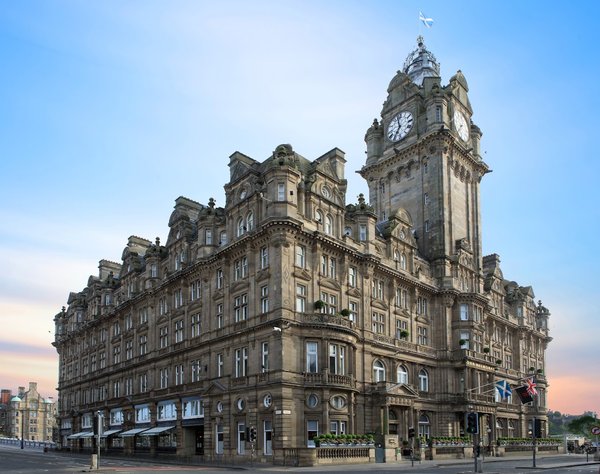 9.0
9.0
The Balmoral
Princes Street, Edinburgh city centre
from £395/night
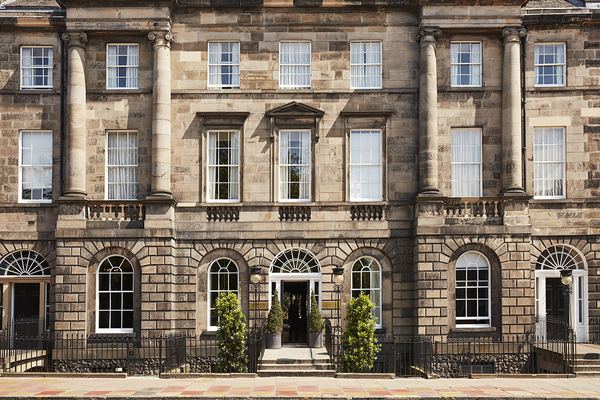 9.0
9.0
Kimpton Charlotte Square
Charlotte Square, New Town
from £210/night
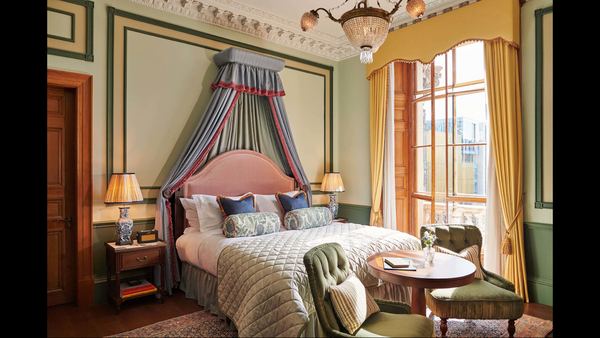 9.2
9.2
Gleneagles Townhouse
St Andrew Square, New Town, Edinburgh
from £330/night
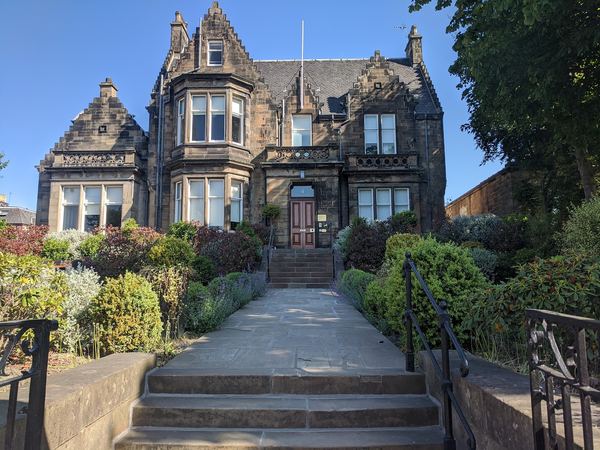 9.0
9.0
The Dunstane Houses
West Coates, Edinburgh West End
from £180/night
 9.0
9.0
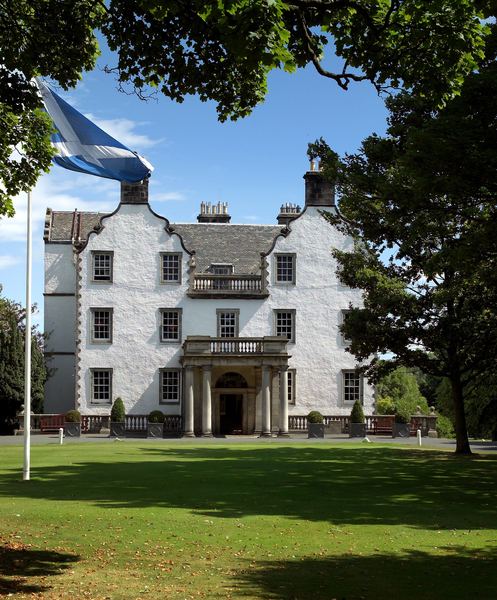
Prestonfield House
Priestfield Road, below Arthur's Seat
from £300/night
 8.9
8.9
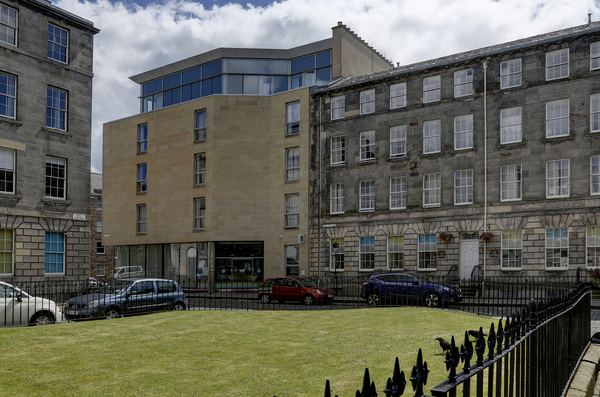
Ten Hill Place Hotel
Hill Square, Edinburgh Southside
from £110/night
 8.8
8.8
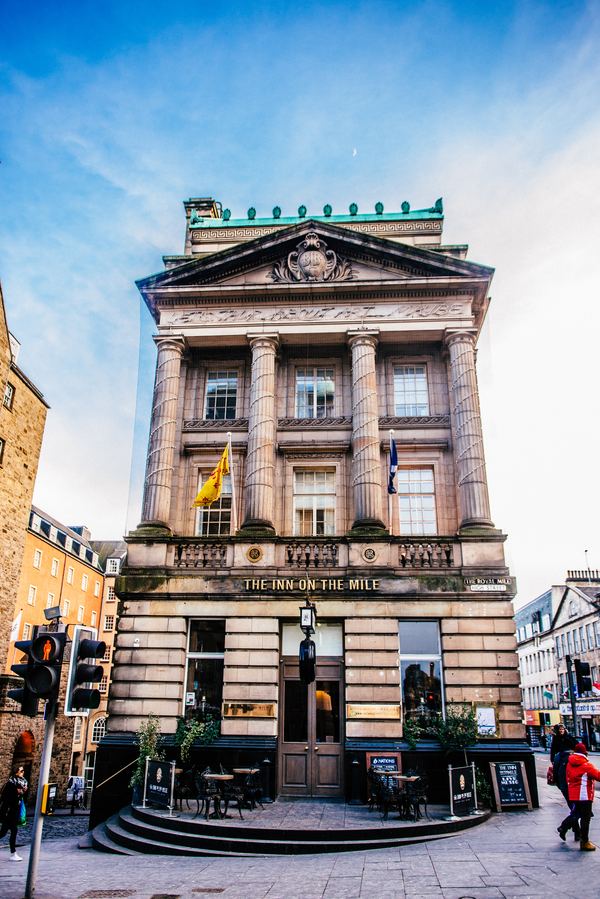
The Inn on the Mile
High Street, Royal Mile, Old Town
from £130/night
 9.2
9.2
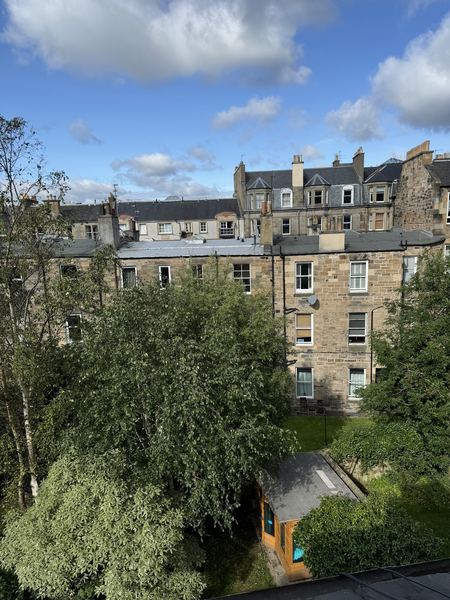
Southside Guest House
Newington Road, Edinburgh Southside
from £95/night
Things to Do in Edinburgh(70)
All attractions in Edinburgh →Top things to do in Edinburgh
The obvious sights genuinely are worth the queues, but leave room for the smaller ones between them.
- Edinburgh Castle — Scotland's most visited paid attraction, holding the Honours of Scotland, the Stone of Destiny and St Margaret's Chapel, the oldest surviving building in the city and dating to the 12th century. The One O'Clock Gun still fires every day except Sunday.
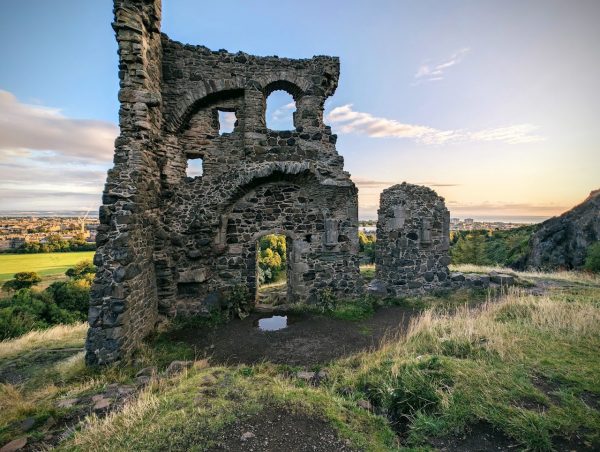
- Arthur's Seat and Holyrood Park — a former volcano and the best free view in the city, reachable in about 45 minutes on foot from the Palace gates; the gentler Salisbury Crags path is an easier alternative in wind.
- The Real Mary King's Close — guided tours through 17th-century streets buried beneath the City Chambers, consistently among the highest-rated attractions in Britain and a genuinely good introduction to how the crowded Old Town actually worked.
- The Palace of Holyroodhouse — the monarch's official Scottish residence at the foot of the Royal Mile, with Mary, Queen of Scots' apartments and the ruined 12th-century abbey in the grounds.
- The National Museum of Scotland — free to enter, spanning Pictish carvings to Dolly the sheep, with a roof terrace that most visitors never find.
- The Scottish National Gallery and Portrait Gallery — two free collections a few minutes apart, one on the Mound and one in a red sandstone Gothic pile on Queen Street.
- The Water of Leith Walkway — a riverside path running roughly 12 miles from Balerno to Leith, passing Dean Village and the modern art galleries, and the quickest way to lose the crowds.
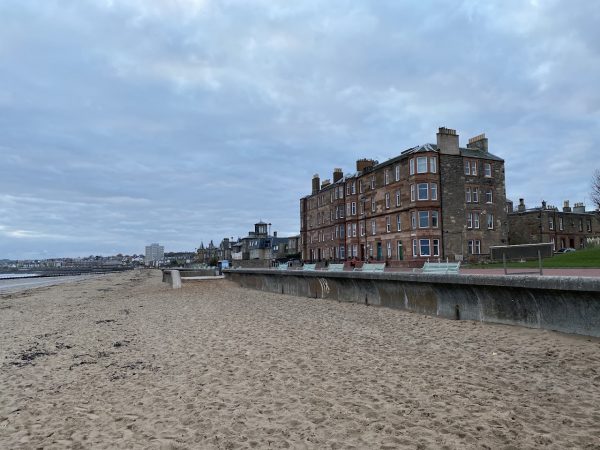
- Portobello Beach — two miles of sand and a Victorian promenade about 20 minutes by bus from the centre, with swimming saunas, an old-fashioned amusement arcade and decent chips.


Where to Eat in Edinburgh(1,577)
All restaurants in Edinburgh →Food and drink in Edinburgh
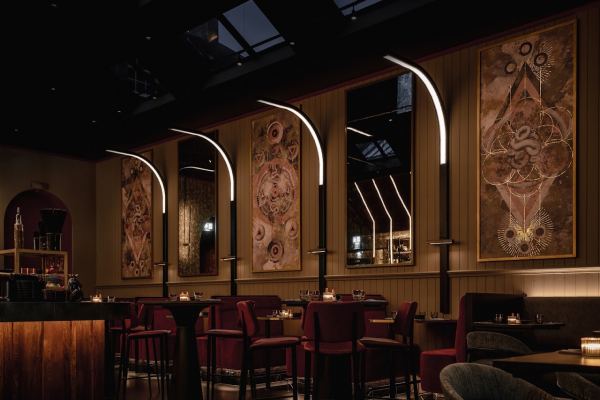
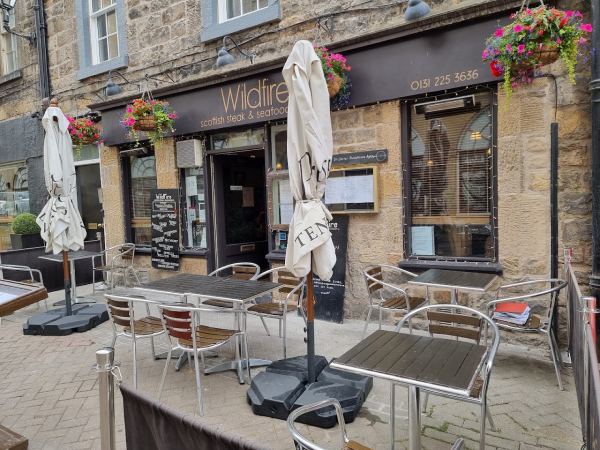
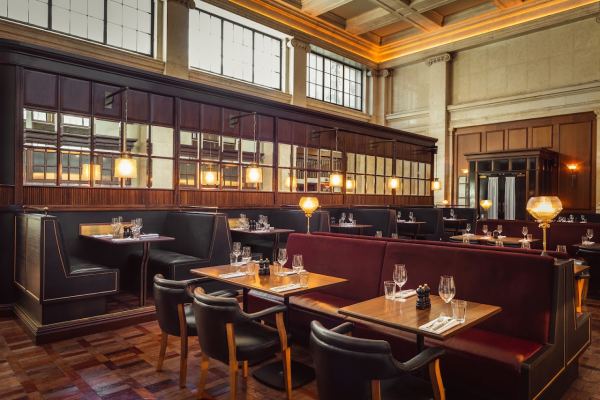
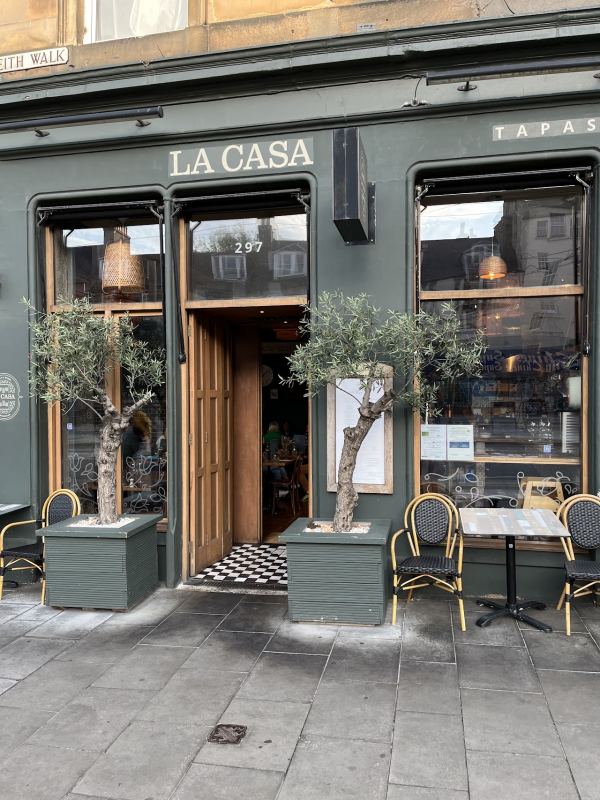
Scottish cooking here has moved well beyond the tourist version, though the classics are still done properly. Haggis with neeps and tatties turns up everywhere from Royal Mile pubs to tasting menus; cullen skink, the smoked haddock and potato soup from the Moray coast, is a reliable lunch; and cranachan — cream, honey, whisky, raspberries and toasted oatmeal — is the dessert to order in raspberry season.
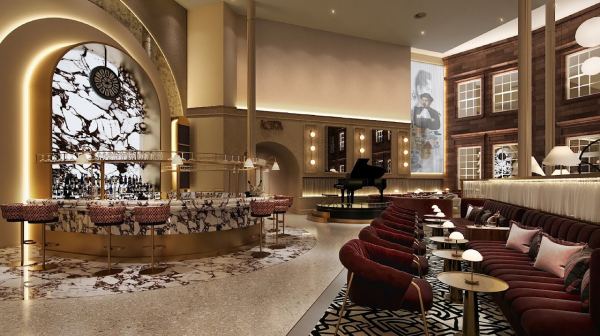
Leith holds most of the serious restaurants. The Kitchin, on the Shore, built its reputation on seasonal Scottish produce and holds a Michelin star, and the surrounding streets have a dense cluster of small independents. In town, The Doric on Market Street and Whiski Bar on the High Street both do dependable traditional plates near the station. Bread Street and the Old Town have good casual options if you are eating before a show.
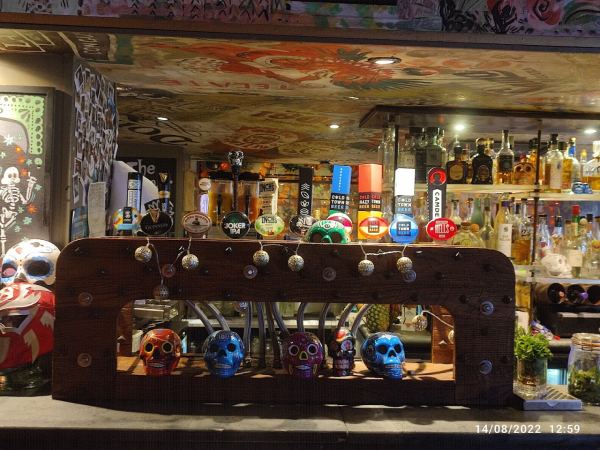
For markets, Stockbridge Market runs on Sundays beside the Water of Leith with street food, baking and cheese, while Leith Market on Saturdays leans international and lively. Whisky is unavoidable and the choice is enormous — most decent bars will keep a shelf worth exploring — but Edinburgh also has a strong gin scene, and Innis and Gunn, Pilot and Newbarns are among the local breweries to look for on taps around the city.
Attractions Near Edinburgh
All attractions in Edinburgh →Worth the trip — within 50 miles of Edinburgh.
 3 mi
3 mi
Portobello Beach
Portobello · ⭐ 4.7
 3 mi
3 mi
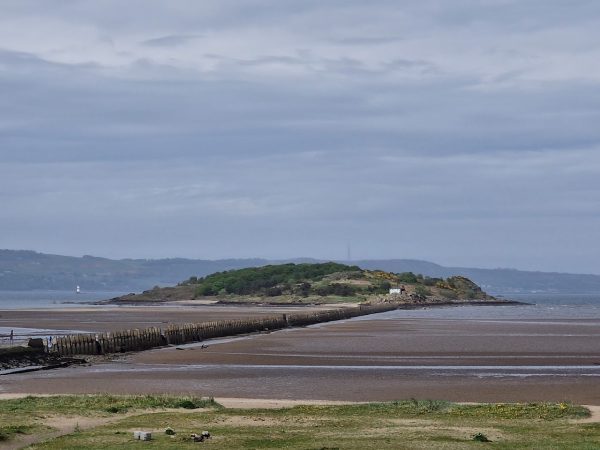
Cramond Beach
Cramond · ⭐ 4.4
 4 mi
4 mi
AirHop Adventure & Trampoline Park Edinburgh
Musselburgh · ⭐ 4.4
 4 mi
4 mi
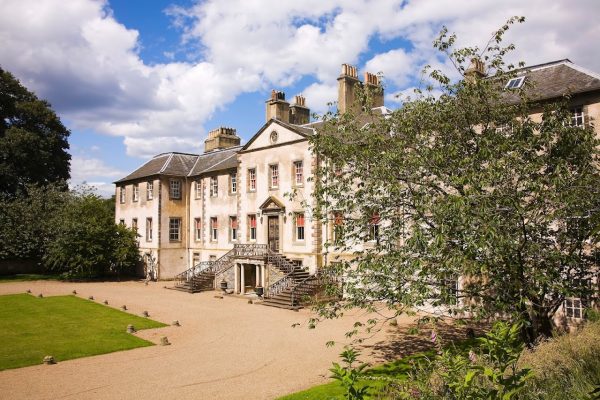
Newhailes House and Gardens Musselburgh
Musselburgh · ⭐ 4.5
 5 mi
5 mi
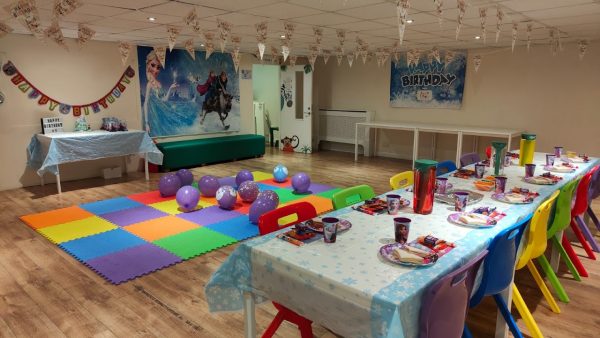
Jamboree Adventure Soft Play
Musselburgh · ⭐ 4.7
 6 mi
6 mi
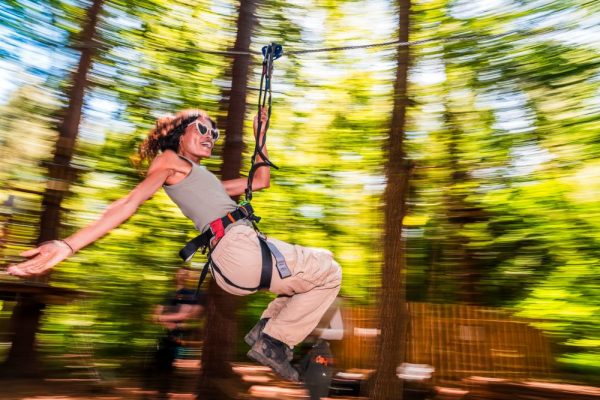
Go Ape Dalkeith
Dalkeith · ⭐ 4.8
 7 mi
7 mi
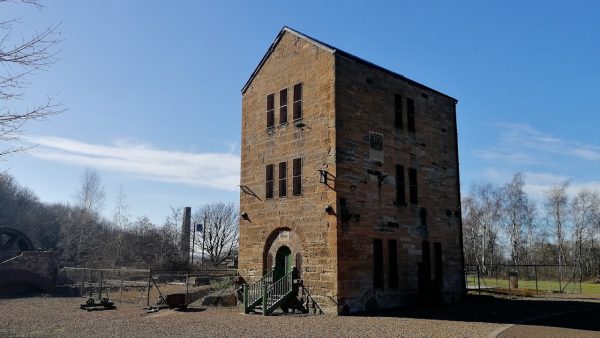
Prestongrange Museum
Prestonpans · ⭐ 4.4
 7 mi
7 mi
Whiteloch Farm Riding and Trekking
Tranent · ⭐ 4.5
Camping in Edinburgh(20)
All campsites in Edinburgh →About camping in Edinburgh
Camping around Edinburgh is a slightly unusual proposition, because you are pitching in the countryside but visiting a capital city. The sites that work best sit on the fringes — Midlothian to the south, East Lothian to the east, West Lothian towards the airport — with regular buses or a short drive into town. That layout suits the terrain well: the ground on the city's outskirts is mostly gentle farmland and parkland rather than the rough, boggy pitches you meet further into the Highlands, so grass pitches drain reasonably and hardstandings are widely available for tourers.
Weather is the main thing to plan around. Edinburgh sits on the drier east coast and gets noticeably less rain than Glasgow, but it is exposed to easterly winds off the North Sea, and the haar — a cold sea fog — can roll in and sit for a day even in June. Nights are chilly well into summer, so bring a warmer sleeping bag than the calendar suggests and pegs that will hold in wind. A groundsheet and dry bags are sensible year-round.
Scotland's access legislation permits responsible wild camping on most unenclosed land, which is a genuine freedom, but it is not intended for city edges. Within Edinburgh itself there is nowhere appropriate — Holyrood Park and the Pentlands Regional Park both prohibit it — so treat wild camping as something for a wider Scottish trip rather than a city break.
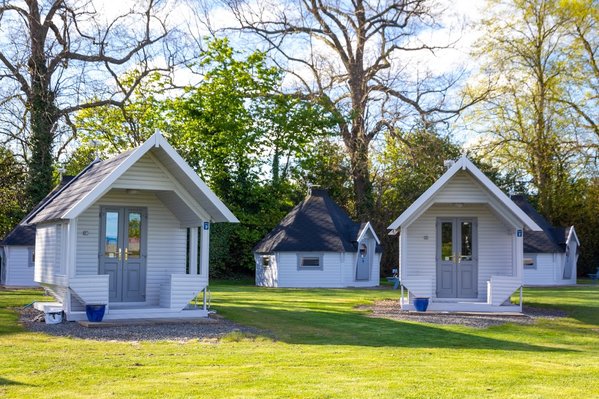
The practical season runs from April to early October, with May, June and September the pick for daylight and settled conditions. August is a different matter: Fringe demand pushes campsite bookings to capacity and prices up, and you should reserve months ahead. Glamping has expanded considerably around the city, and heated pods or wigwams make a sensible compromise if you want the countryside without gambling on a wet week. Bring midge repellent if you are heading anywhere wooded, though the coastal sites are usually breezy enough to keep them down.
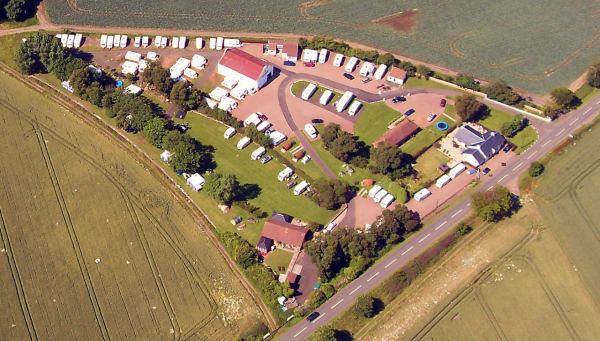
Aberlady Station Caravan Park
⭐ 4.6
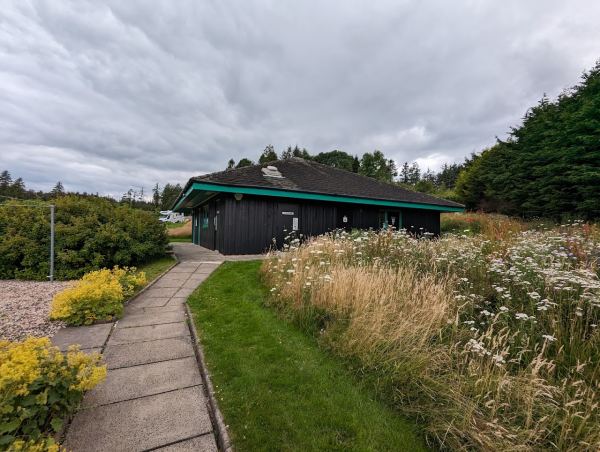
Beecraigs Caravan & Camping Site
⭐ 4.6
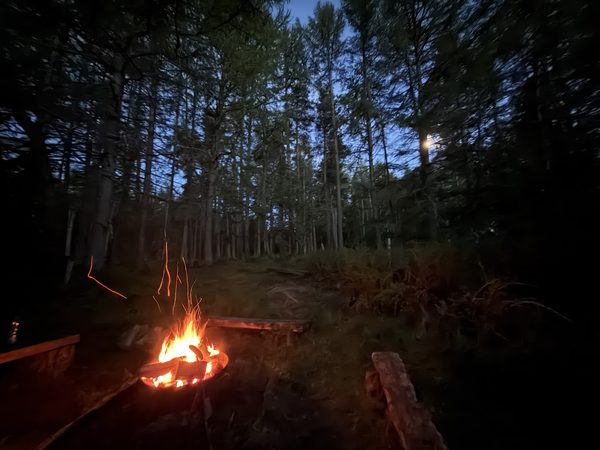
Blinkbonny Wood
⭐ 4.3
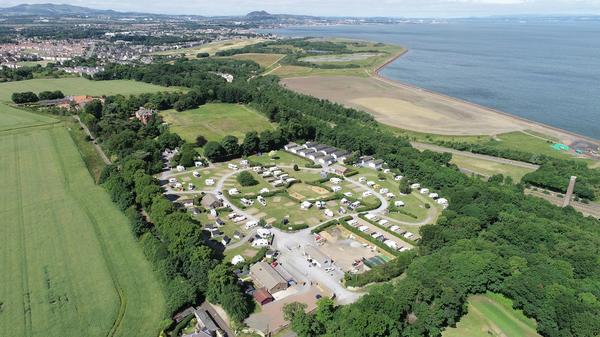
Drummohr Camping and Glamping Site
⭐ 4.5 · from £20/night
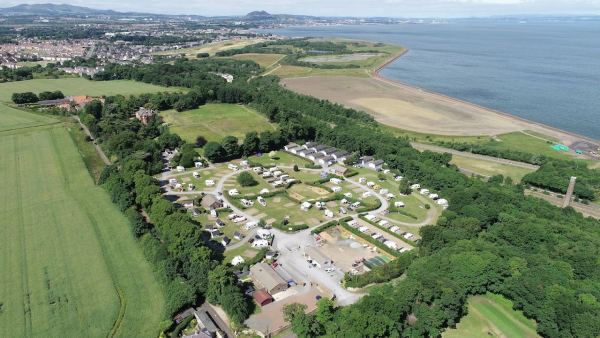
Drummohr Caravan Park
⭐ 4.5
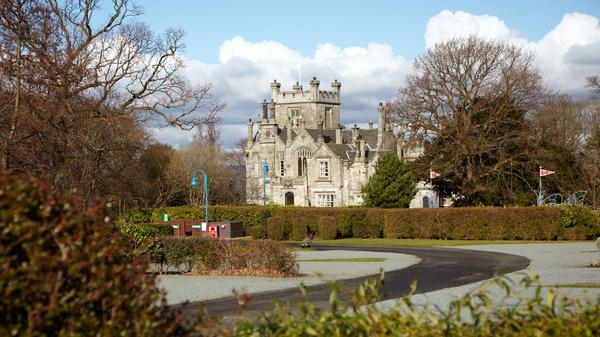
Edinburgh Caravan and Motorhome Club Site
⭐ 4.4 · from £24/night
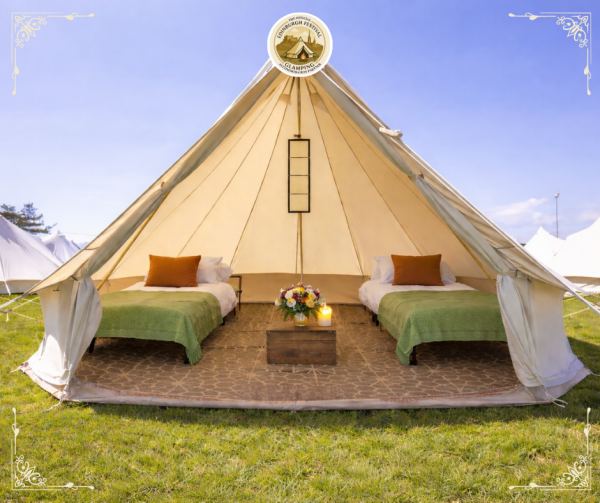
Edinburgh Festival Camping
⭐ 4.6
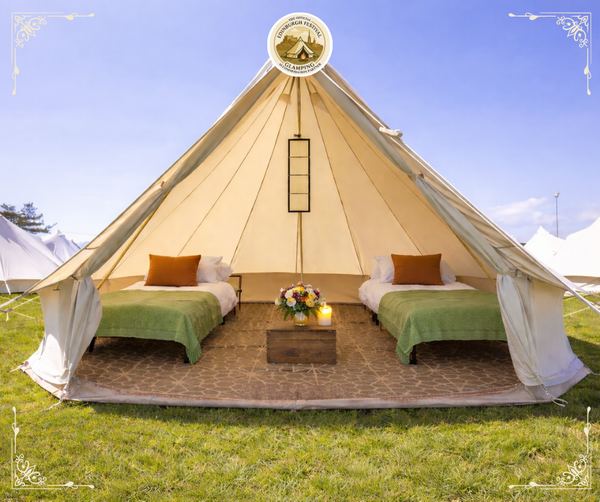
Edinburgh Festival Glamping
⭐ 5.0 · from £290/night
Self-Catering Cottages in Edinburgh(8)
All cottages in Edinburgh →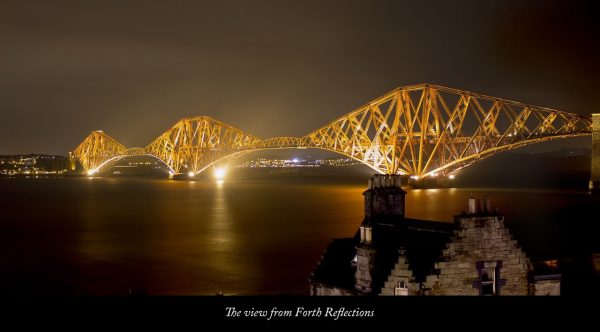
Forth Reflections
1 bed · sleeps 4 · from £611
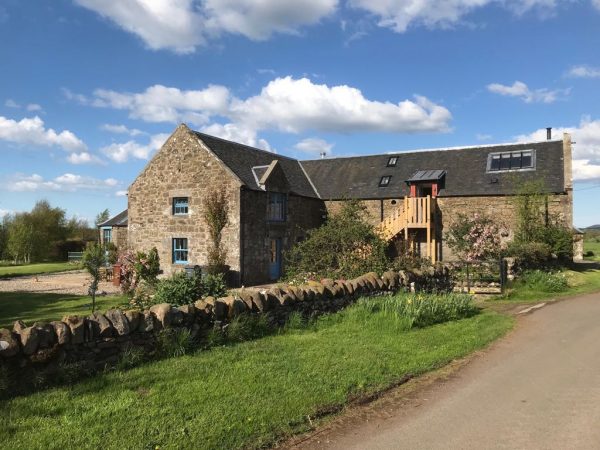
The Hayloft
2 bed · sleeps 4 · from £1,827
7a
3 bed · sleeps 5 · from £2,228
Inchkeith View
2 bed · sleeps 4 · from £687
New York Style Loft Apartment
4 bed · sleeps 9 · from £5,235
Powderhall Brae
3 bed · sleeps 5 · from £801
Quay Cottage
2 bed · sleeps 4 · from £503
The Coach House
2 bed · sleeps 4 · from £561
Common questions about Edinburgh
How many campsites are there in Edinburgh?
We list 20 campsites in and around Edinburgh, of which 7 take tents and 5 offer glamping.
Are there dog-friendly campsites in Edinburgh?
Yes — 4 of the 20 campsites we list in Edinburgh accept dogs, including Linwater Caravan Park and Drummohr Camping and Glamping Site.
Which campsites in Edinburgh have electric hook-up?
6 of the 20 campsites we list in Edinburgh offer an electric hook-up.
How many holiday cottages are there in Edinburgh?
We list 8 self-catering cottages in and around Edinburgh.
Can I take a dog to a holiday cottage in Edinburgh?
Yes — 3 of the 8 Edinburgh cottages we list allow pets.
Are there large holiday cottages in Edinburgh for groups?
Yes — the largest cottage we list in Edinburgh sleeps 9.
Where can I stay in Edinburgh?
We list 293 hotels, B&Bs and guest houses in and around Edinburgh. Prices start from around £95 a night.
What is there to do in Edinburgh?
We list 70 attractions and things to do in and around Edinburgh.
Where can I eat in Edinburgh?
We list 1,577 restaurants, pubs and cafes in and around Edinburgh.