Glasgow
Victorian grandeur, world-class art and legendary nights out
Photo © Sanjay Sharmma, Google Maps
Glasgow sits on the River Clyde in Scotland's central belt, roughly forty-five miles west of Edinburgh and within an hour's drive of Loch Lomond, the Ayrshire coast and the southern edge of the Highlands. It is Scotland's largest city by a comfortable margin, built on tobacco money, then cotton, then the shipyards that once launched a fifth of the world's tonnage. That industrial wealth left behind an extraordinary stock of Victorian architecture: blonde and red sandstone terraces, banking halls with domed ceilings, and civic buildings on a scale that still surprises first-time visitors.
What makes the city compelling now is the gap between that inherited grandeur and the unpretentious way people live in it. Glasgow has never traded on being pretty in the way its eastern neighbour does. Instead it offers substance: an art collection that would anchor a national capital, a live music circuit that has launched more bands than any comparable British city, and a restaurant scene that has quietly become one of the most interesting in the country. Museums here are almost all free, which shapes how you spend a weekend. You can drop into Kelvingrove for forty minutes without feeling you have wasted a ticket.
The city is also unusually easy to navigate. The centre is laid out on a grid, unusual in Britain, so working out where you are takes very little effort. The Subway, an underground circle line that locals call the Clockwork Orange, loops the centre and West End in twenty-four minutes. Beyond that, a dense suburban rail network reaches the coast, the lochs and the Clyde Valley, which means Glasgow works as well as a base for exploring the west of Scotland as it does as a destination in itself.
Getting to Glasgow
By rail, Avanti West Coast runs direct from London Euston to Glasgow Central in around four and a half hours, with services roughly hourly through the day. The Caledonian Sleeper leaves Euston in the late evening and arrives at Central the following morning, which saves a night's accommodation. From Edinburgh, trains from Waverley and Haymarket reach Glasgow Queen Street in about fifty minutes, running every fifteen minutes at peak times. Queen Street handles services north and east, Central handles the south and west, and the two stations are a five-minute walk apart across the grid.
By road, the M74 brings you up from Carlisle and the M6, joining the M8 which runs straight through the centre of the city — an unusual and often congested arrangement. From the north, the M80 links to the M9 and Stirling. From Edinburgh, the M8 takes around an hour outside rush hour. On-street parking in the centre is metered and enforced strictly, so most visitors use a multi-storey such as Cambridge Street or Buchanan Galleries, or leave the car at a park-and-ride station like Croy or Shields Road and finish the journey by train or Subway.
Glasgow Airport sits about eight miles west at Paisley, with a frequent express bus into Buchanan Bus Station taking around twenty-five minutes. Glasgow Prestwick, thirty miles south on the Ayrshire coast, has its own railway station beneath the terminal and a discounted rail fare for passengers with a boarding pass.
Best time to visit Glasgow
Spring is arguably the sweet spot. From April the parks fill out, daylight stretches well into the evening, and hotel rates sit below their summer peak. Expect showers — this is the west of Scotland — but also long clear spells and comfortable walking weather.
Summer brings the busiest calendar. The West End Festival takes over Byres Road and Kelvingrove in June, TRNSMT fills Glasgow Green in July, and the Merchant City Festival adds street performance to the centre. Daylight runs past ten in the evening in late June. Book accommodation early if a major concert is on at the OVO Hydro, which can absorb most of the city's rooms in a single night.
Autumn suits anyone who prefers galleries to gardens. September and October are quieter, the light on the sandstone is at its best, and Doors Open Days in September let you into buildings normally closed to the public. Rain becomes more persistent from October onwards.
Winter is dark and damp but far from dead. Celtic Connections in January is one of the world's largest folk and roots festivals, spread across venues city-wide, and the Christmas period brings markets and lights to George Square and St Enoch. Room rates in January and February are the lowest of the year.
Where to stay in Glasgow(127)
All hotels in Glasgow →About staying in Glasgow
Choosing where to base yourself in Glasgow comes down to a straightforward question: are you here for the museums and the food, or for the shops, the stations and the arena? The city is compact enough that neither choice is a mistake, but the two answers point to different postcodes.
If your itinerary is weighted towards Kelvingrove, the Botanics, the university and the restaurants of Finnieston and Byres Road, the West End is the obvious home. Accommodation there runs to converted Victorian townhouses and small guest houses on quiet residential terraces, often with parking, and the Subway or a fifteen-minute walk gets you into the centre when you need it. Rates tend to be a little softer than the grid, and evenings are calmer.
If you are arriving by train, cramming a lot into two days, or heading out again on an early service, the city centre wins. The grid between Central and Queen Street stations holds most of the larger hotels, from five-star Georgian conversions on Blythswood Square to the modern rooms above the Sauchiehall Street and West Regent Street blocks. Everything on Buchanan Street is on your doorstep, and taxis are plentiful at all hours.
The Merchant City splits the difference with warehouse conversions and boutique rooms above busy bars. It is the liveliest option, which cuts both ways: ask for a room away from the street. Anyone attending a concert at the OVO Hydro should look at Finnieston or the Clyde waterfront, where you can walk back rather than joining the taxi queue.
Book early for June and July, for any weekend when Celtic or Rangers are at home, and for the nights either side of a major Hydro show, when the city can sell out entirely. January and February bring the cheapest rooms of the year. Most central hotels charge separately for parking, so if you are driving, factor that in or consider a West End property with its own spaces.
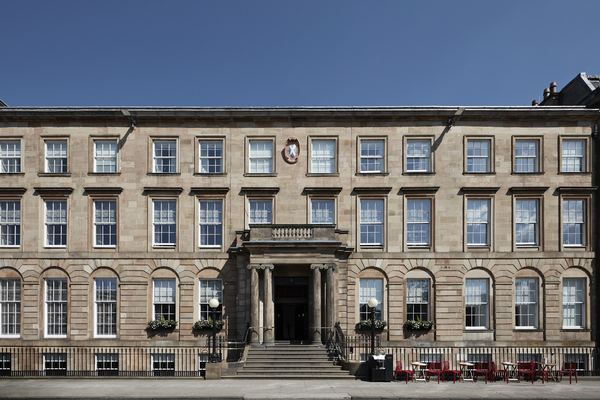 8.8
8.8
Kimpton Blythswood Square
Blythswood Square, city centre
from £195/night
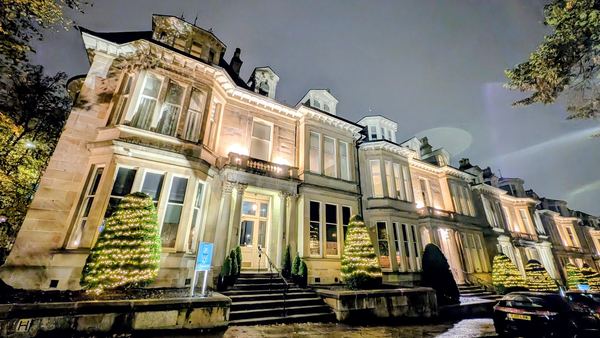 8.6
8.6
Hotel du Vin Glasgow at One Devonshire Gardens
Devonshire Gardens, West End
from £180/night
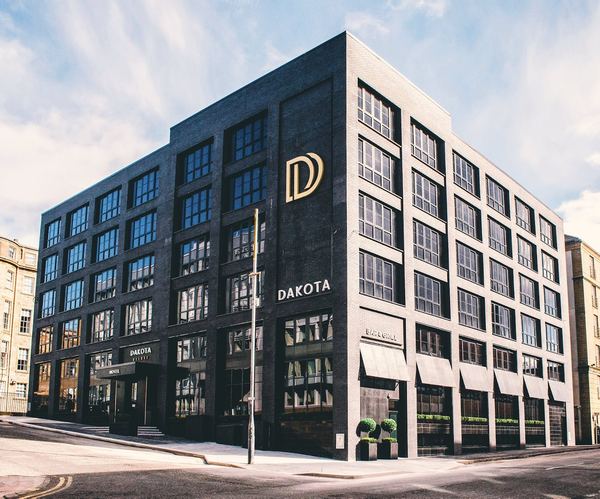 8.9
8.9
Dakota Glasgow
West Regent Street, city centre
from £140/night
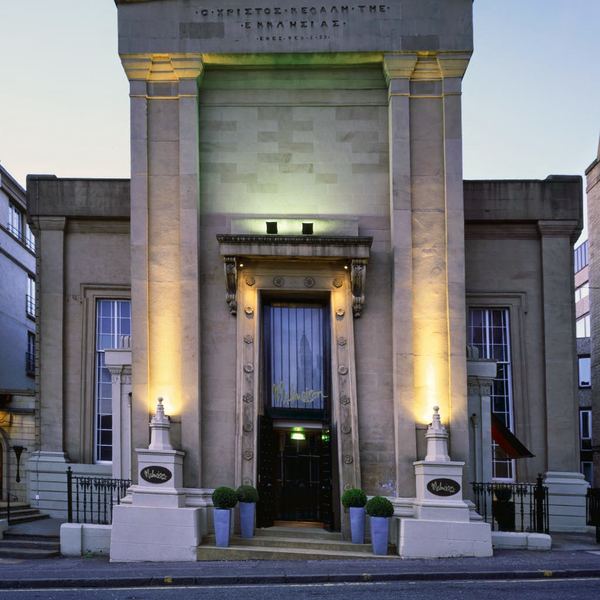 8.3
8.3
Malmaison Glasgow
West George Street, city centre
from £105/night
 8.1
8.1
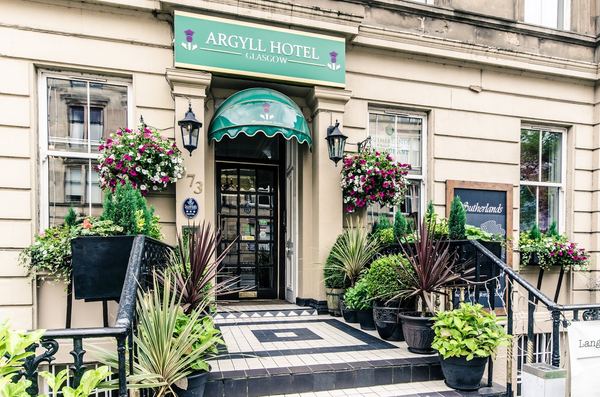
Argyll Hotel
Sauchiehall Street, West End
from £78/night
 9.3
9.3
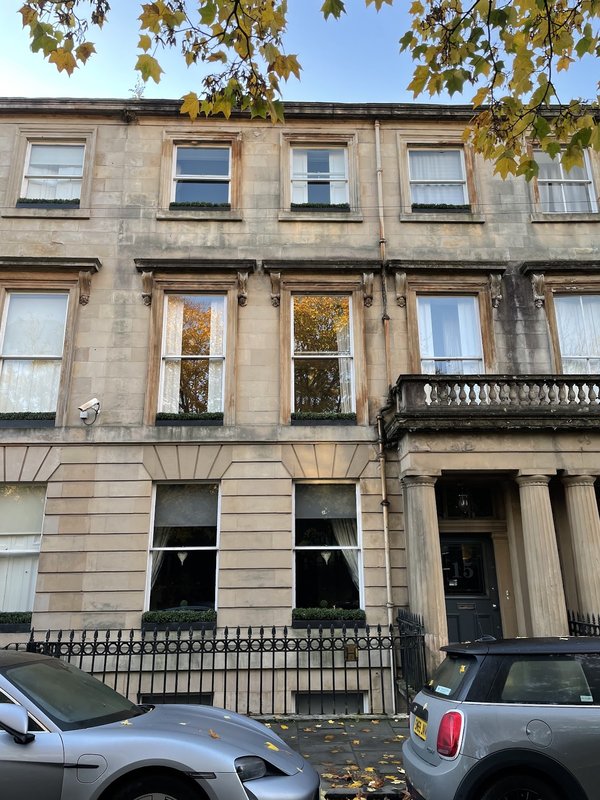
No.15 Boutique Bed and Breakfast
Woodside Place, Charing Cross
from £115/night
 9.1
9.1
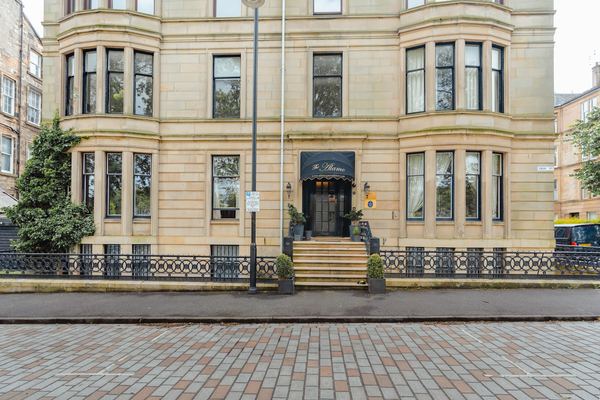
The Alamo Guest House
Gray Street, Kelvingrove
from £95/night
 7.9
7.9
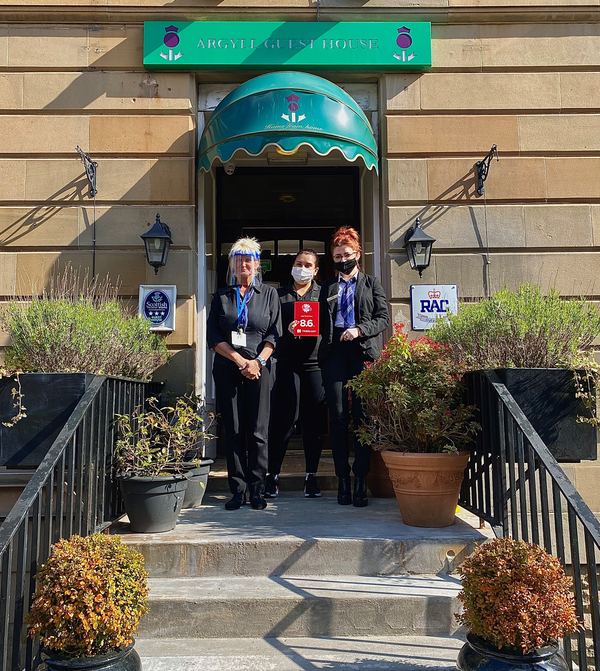
Argyll Guest House
Sauchiehall Street, West End
from £58/night
Things to Do in Glasgow(71)
All attractions in Glasgow →Top things to do in Glasgow
The city's headline attractions are close together and, in most cases, cost nothing to enter.
- Kelvingrove Art Gallery and Museum — a red sandstone palace on the edge of Kelvingrove Park holding Salvador Dali's Christ of Saint John of the Cross, Dutch masters, Scottish Colourists, a suspended Spitfire and a natural history collection, all under one roof and free to visit.
- The Burrell Collection — Sir William Burrell's gift to the city, reopened in 2022 after a lengthy refurbishment, set in the woodland of Pollok Country Park and covering Chinese ceramics, medieval tapestries, stained glass and Degas.
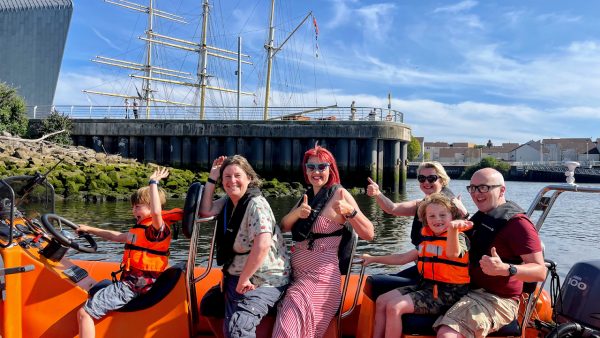
- Riverside Museum and the Tall Ship — Zaha Hadid's zigzag transport museum on the Clyde, with recreated Glasgow streets, trams and locomotives, and the 1896 barque Glenlee moored alongside.
- Glasgow Cathedral and the Necropolis — the only medieval cathedral on the Scottish mainland to survive the Reformation intact, with the tomb of St Mungo in its lower church, and behind it a Victorian hillside cemetery of monumental tombs and long views back over the city.
- The Charles Rennie Mackintosh trail — Mackintosh at the Willow on Sauchiehall Street, the Mackintosh House at the Hunterian, House for an Art Lover in Bellahouston Park and Scotland Street School together make the case for Glasgow's most influential designer.
- Glasgow Science Centre — three floors of hands-on exhibits, a planetarium and an IMAX on the south bank of the Clyde, with the rotating Glasgow Tower alongside; the strongest option in the city for families with younger children.
- The Barras and the East End — the weekend market off the Gallowgate, the Barrowland Ballroom with its neon sign and legendary sprung dance floor, and the People's Palace on Glasgow Green telling the city's social history.
- Glasgow Botanic Gardens — the Kibble Palace glasshouse and its tree ferns at the top of Byres Road, a good half hour before or after lunch in the West End.
Where to Eat in Glasgow(1,914)
All restaurants in Glasgow →Food and drink in Glasgow
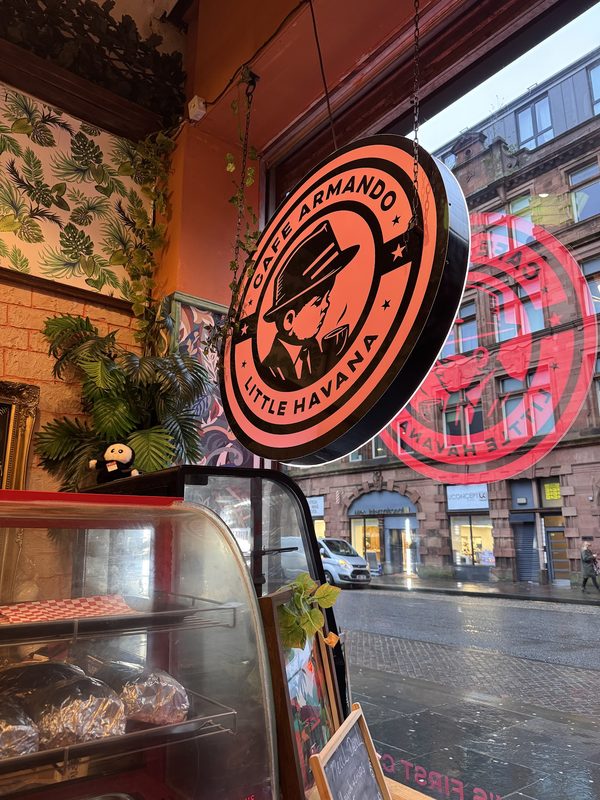
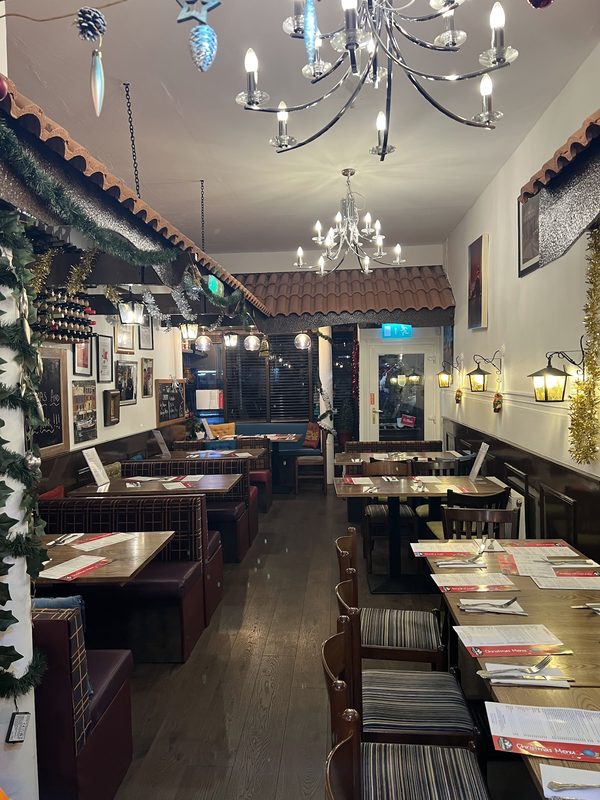
Glasgow's defining dish is curry. The city claims the invention of chicken tikka masala and sustains a long-established South Asian restaurant scene, with Mother India near Kelvingrove and its offshoot Mother India's Cafe both worth booking. At the other end of the spectrum, Cail Bruich on Great Western Road holds the city's Michelin star, while The Gannet in Finnieston and Ox and Finch on Sauchiehall Street handle modern Scottish cooking with less formality.
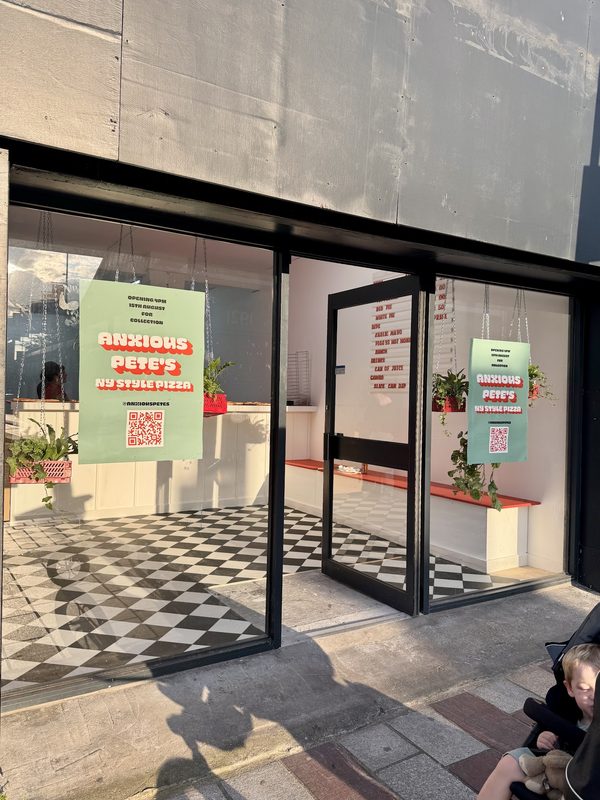
Seafood lands from the west coast within hours. Crabshakk on Argyle Street built its reputation on it, and the informal end of the market is well covered by the Big Feed street food market in Govan and the stalls that fill the Barras at weekends. For something older, the Ubiquitous Chip has been on Ashton Lane since 1971, and Cafe Gandolfi in the Merchant City has changed remarkably little in four decades.
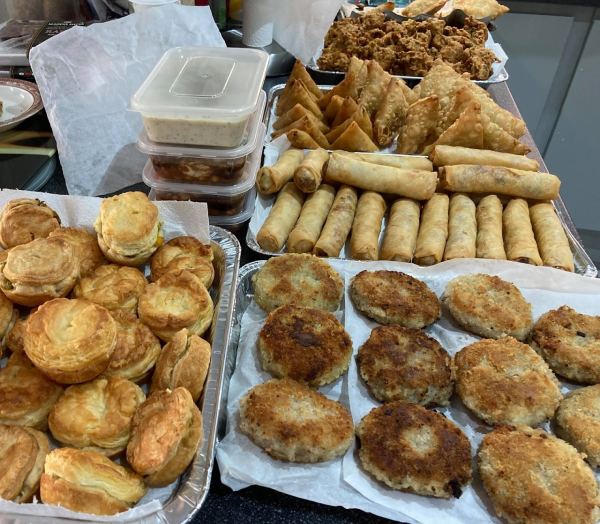
Local specialities beyond curry include the square Lorne sausage at breakfast, the Scotch pie, and Tunnock's teacakes and caramel wafers, still made in nearby Uddingston. Afternoon tea in the Mackintosh-designed rooms at Mackintosh at the Willow is the tourist choice, and none the worse for it.
To drink, Tennent's has been brewed at Wellpark in the East End since 1885 and offers tours; Drygate next door covers the craft end. The Clydeside Distillery in a former pumphouse by the Riverside Museum and the Glasgow Distillery in Hillington both run whisky and gin tastings. For pubs, the Horse Shoe Bar on Drury Street has one of the longest continuous bars in Europe, and the Pot Still on Hope Street keeps several hundred whiskies behind it.
Attractions Near Glasgow
All attractions in Glasgow →Worth the trip — within 50 miles of Glasgow.
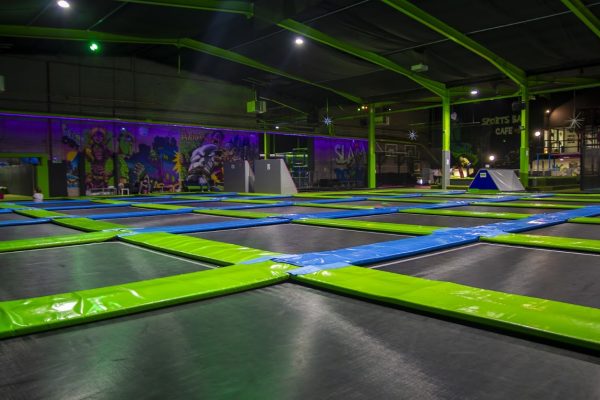 2 mi
2 mi
Flip Out Glasgow
Rutherglen · ⭐ 4.2
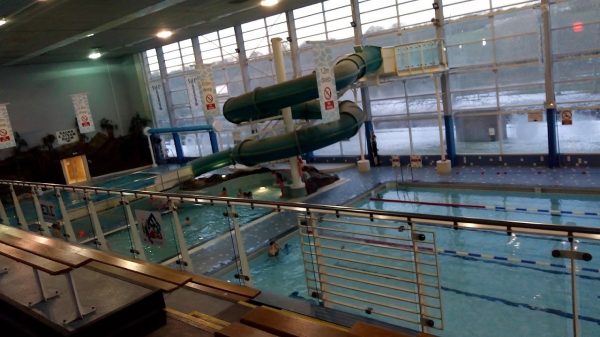 4 mi
4 mi
Leisuredrome Leisure Centre
Bishopbriggs · ⭐ 4.1
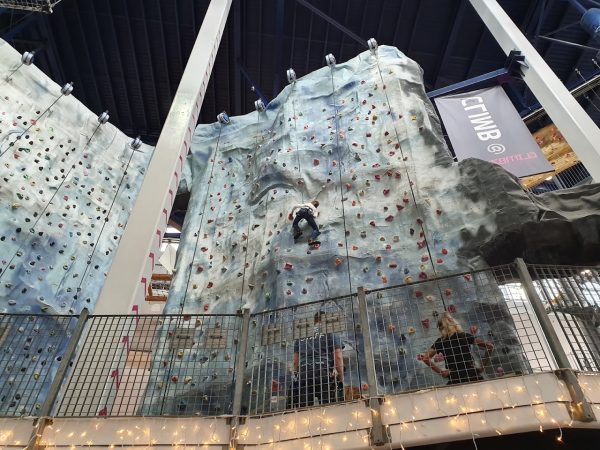 5 mi
5 mi
Climbzone
Renfrew · ⭐ 4.5
 5 mi
5 mi
Tenpin Glasgow
Braehead · ⭐ 4.1
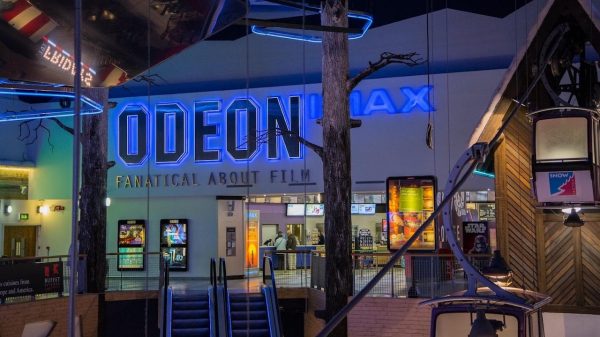 5 mi
5 mi
ODEON Braehead
Renfrew · ⭐ 4.2
 5 mi
5 mi
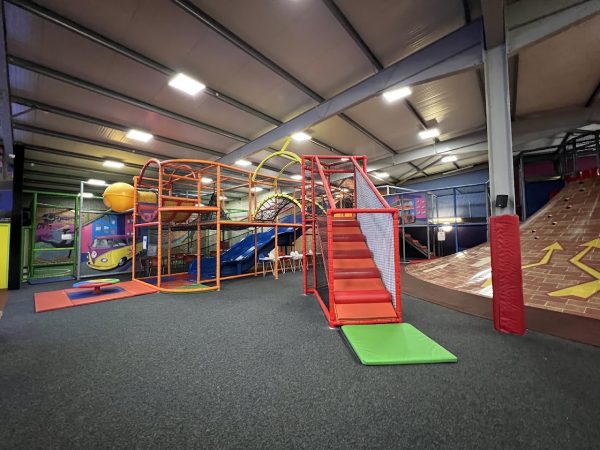
Funstation Braehead
Braehead · ⭐ 4.1
 5 mi
5 mi
Kids Complex
Cambuslang · ⭐ 4.5
 5 mi
5 mi
Combat City Cambuslang
Cambuslang · ⭐ 4.6
Camping in Glasgow(11)
All campsites in Glasgow →About camping in Glasgow
Glasgow itself has no campsite within the city boundary, which is unsurprising for a place of well over half a million people. What it does have is a ring of well-established parks within a short drive or train ride, several of which put you in the centre faster than a car journey across the M8 would. The closest sit in Stepps to the north-east and around Strathclyde Country Park to the south-east, while heading north-west takes you to the shores of Loch Lomond within forty minutes.
The terrain around the city is mostly gentle: the Clyde Valley floor, low farmland and the wooded fringes of country parks, rising to the Campsie Fells about twelve miles north and the Kilpatrick Hills to the west. Pitches are generally level and well drained, and almost all commercial sites here offer hardstandings alongside grass, which matters more than it might elsewhere.
Weather is the honest caveat. Glasgow sits in the path of Atlantic fronts and records more rainfall than almost any other major British city, spread across the year rather than concentrated. Expect at least one wet day in three under canvas and pack accordingly. Midges become noticeable from late May through August, worst at dusk near still water, so repellent is worth carrying towards Loch Lomond.
The best months are May, June and September. May and June bring the longest daylight and the driest conditions of the year, with light lasting past ten in the evening at midsummer. September holds reasonable weather, thins the crowds and clears the midges. Most parks around Glasgow open from March to October, though several stay open year-round for touring units.
Scotland's access legislation allows responsible wild camping on most unenclosed land, which is a genuine advantage once you leave the built-up area. It does not apply to parks, gardens or farmland close to houses, and seasonal byelaws restrict camping in parts of the Loch Lomond and Trossachs National Park between March and September, where a permit is required in the managed zones. Within the Glasgow conurbation itself, a formal site is the practical option.
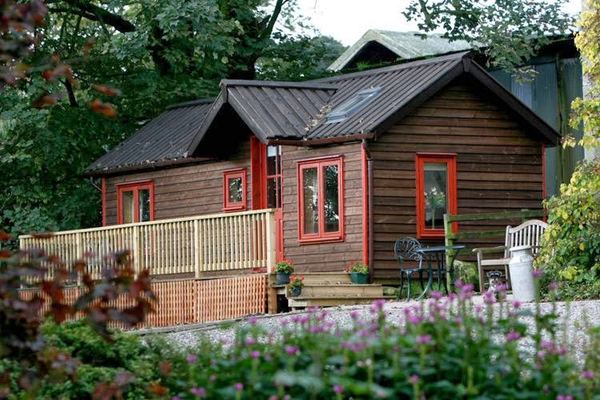
Allanfauld Shielings
⭐ 4.8
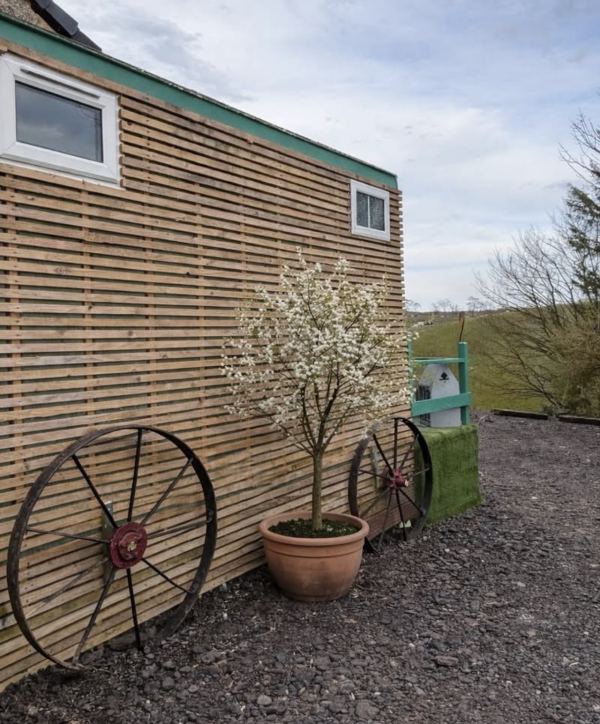
City View Campsite
⭐ 5.0
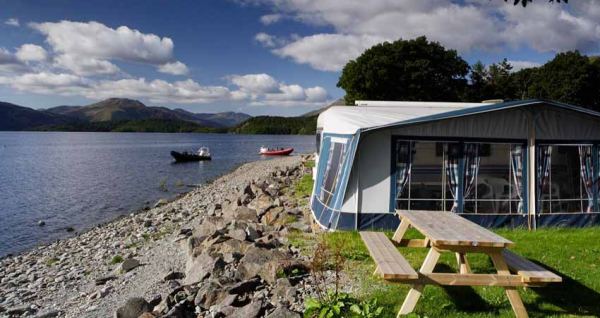
Easter Auchinloch Camp Site
⭐ 4.3
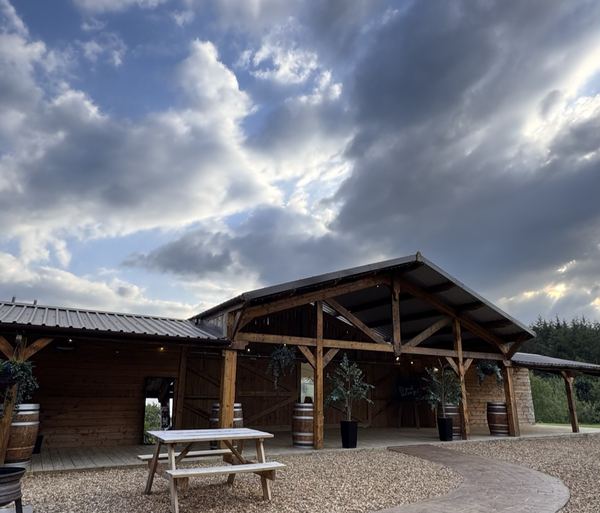
Eden Leisure Village
⭐ 4.8 · from £38/night
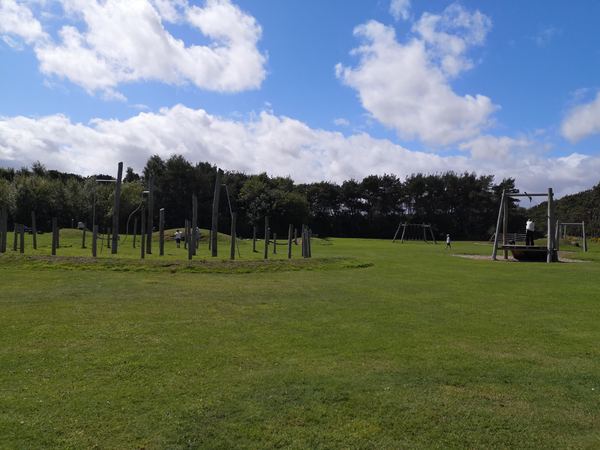
John Muir Way Campsite
⭐ 4.7
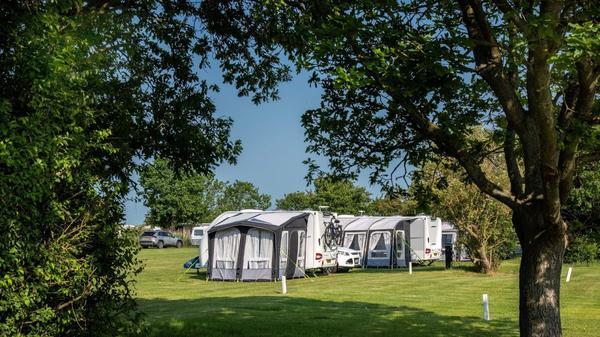
Milarrochy Bay Camping and Caravanning Club Site
⭐ 4.5 · from £24/night
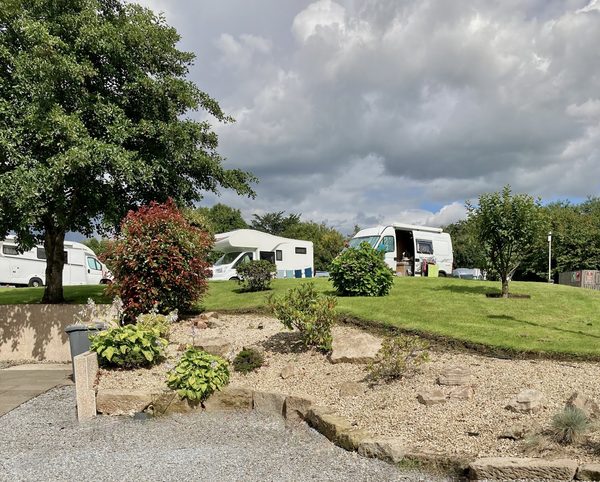
Red Deer Village Holiday Park
⭐ 4.2 · from £24/night
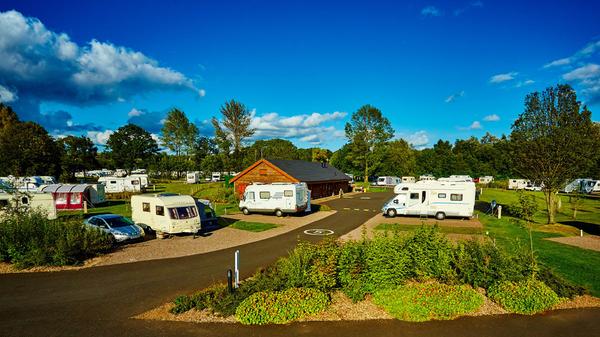
Strathclyde Country Park Club Campsite
⭐ 4.3 · from £26/night
Self-Catering Cottages in Glasgow(9)
All cottages in Glasgow →
Albion Gate Five
1 bed · sleeps 2 · from £1,322
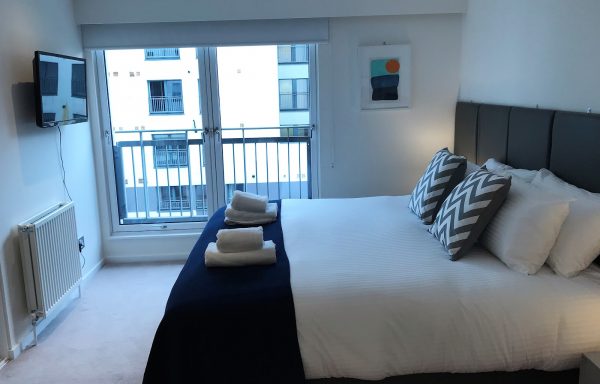
High Street Apartment
2 bed · sleeps 5 · from £1,292
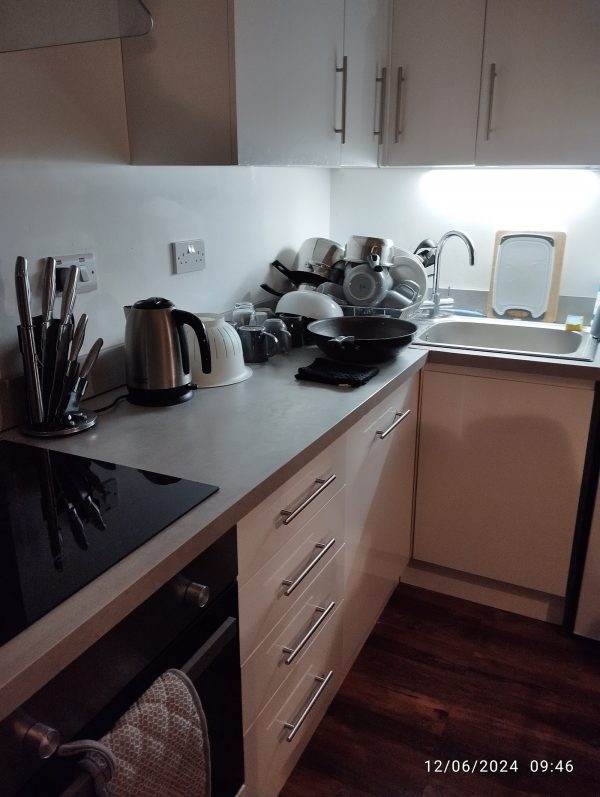
The Renfrew Residence
4 bed · sleeps 8 · from £2,313
Albion Gate Three
1 bed · sleeps 2 · from £1,292
Bell Apartment
2 bed · sleeps 4 · from £1,292
Bell Street Apartment
1 bed · sleeps 3 · from £1,292
Chancellor House
1 bed · sleeps 2 · from £1,292
Oswald Apartment
2 bed · sleeps 5 · from £1,332
Common questions about Glasgow
How many campsites are there in Glasgow?
We list 11 campsites in and around Glasgow, of which 10 take tents and 6 offer glamping.
Are there dog-friendly campsites in Glasgow?
Yes — 7 of the 11 campsites we list in Glasgow accept dogs, including Eden Leisure Village and Milarrochy Bay Camping and Caravanning Club Site.
Which campsites in Glasgow have electric hook-up?
6 of the 11 campsites we list in Glasgow offer an electric hook-up.
How many holiday cottages are there in Glasgow?
We list 9 self-catering cottages in and around Glasgow.
Can I take a dog to a holiday cottage in Glasgow?
Yes — 9 of the 9 Glasgow cottages we list allow pets.
Are there large holiday cottages in Glasgow for groups?
Yes — the largest cottage we list in Glasgow sleeps 8.
Where can I stay in Glasgow?
We list 127 hotels, B&Bs and guest houses in and around Glasgow. Prices start from around £58 a night.
What is there to do in Glasgow?
We list 71 attractions and things to do in and around Glasgow.
Where can I eat in Glasgow?
We list 1,914 restaurants, pubs and cafes in and around Glasgow.