Manchester
Red brick, big ideas and the first industrial city
Photo © Google Maps contributors, Google Maps
Manchester stands on the flat basin where the Irwell, the Irk and the Medlock run together, with the western edge of the Pennines rising close enough that moorland is twenty-five minutes from the middle of the city. That geography made it. Damp westerly air suited cotton spinning, the rivers turned wheels and later carried away the waste, and the coalfields of south Lancashire sat on the doorstep. Within a century a market town of a few thousand people had become the first industrial city in the world, a place that Victorian visitors travelled to in order to see what the future looked like, and were not always reassured by what they found.
What remains is a city built at an unusual scale for Britain. The warehouses along Whitworth Street and Princess Street were put up to store cloth but were designed like Italian palaces, six and seven storeys of red brick and terracotta with carved doorways and iron-framed windows. The civic buildings match them: Alfred Waterhouse's Town Hall, the Central Library modelled on the Pantheon, the Royal Exchange trading hall now containing a theatre suspended inside it like a lunar module. Between them run canals, railway viaducts and the arches of Castlefield, where the Roman fort of Mamucium once stood and where the world's first inter-city passenger railway terminated in 1830.
The modern city is younger and noisier than that inheritance suggests. Around 570,000 people live in Manchester itself and roughly 2.8 million in the wider conurbation, and the student population is among the largest in Europe, concentrated along the Oxford Road corridor. Much of the centre was rebuilt after the 1996 bombing, and the mills of Ancoats have become flats and restaurants rather than ruins. It is also, usefully for a visitor, compact. You can walk from Victoria station to Oxford Road in half an hour, and the quarters in between all feel distinct: the Northern Quarter scruffy and independent, Spinningfields glassy and corporate, Castlefield quiet and watery.
Getting to Manchester
Trains from London Euston to Manchester Piccadilly take a little over two hours on Avanti West Coast services, running roughly every twenty minutes through the day. Birmingham New Street is about an hour and a half, Liverpool Lime Street between forty and fifty minutes, and Leeds around an hour on TransPennine Express. Piccadilly is the main terminus and sits at the eastern edge of the centre; Victoria serves the north and Oxford Road handles local services along the university corridor.
By road, the M6 connects to the city via the M56 from the south and the M62 crosses from Liverpool to Leeds. The M60 orbital motorway rings the conurbation, so most approaches involve joining it and then dropping in on a radial route. Driving into the centre itself is rarely worth the effort. Multi-storey car parks around Deansgate, Piccadilly and the Arndale charge city rates, and a better plan is one of the Metrolink park-and-ride sites at places such as Radcliffe, Ashton or Parkway, leaving the tram to do the last stretch.
Manchester Airport lies about eight miles south of the centre and is the busiest airport in the UK outside London. Trains run from the airport station to Piccadilly in fifteen to twenty minutes, and a Metrolink line covers the same ground more slowly, taking closer to fifty minutes but reaching Victoria and the northern suburbs directly.
Best time to visit Manchester
Spring is the quietest of the useful seasons. April and May bring blossom to Platt Fields and Fletcher Moss, hotel rates sit below their summer level, and the moors above Rochdale and Bury are green rather than brown. Rain remains likely — the city records something like 140 wet days a year, more than London though well short of the Lake District — so waterproofs are not optional.
Summer is the busiest stretch. July temperatures average around twenty degrees, the beer gardens along Canal Street and in Ancoats fill up, and the festival calendar is dense: Parklife takes over Heaton Park in June, Manchester Pride occupies the August bank holiday weekend, and in odd-numbered years Manchester International Festival spreads new commissions across the city. Book accommodation early, particularly if a stadium concert or a home fixture falls in the same weekend.
Autumn suits anyone who came for food or football. The league season is underway, the Manchester Food and Drink Festival runs across late September and early October, and the light on the red brick in the late afternoon is at its best. It is also the wettest part of the year, so plan around the indoor collections.
Winter is dominated by the Christmas Markets, which spread from Piccadilly Gardens and Cathedral Gardens across half a dozen sites from mid-November until Christmas Eve and pull in very large crowds at weekends. Outside that window, January and February are cheap, cold and genuinely quiet, which is not the worst combination for a museum-heavy trip.
Where to stay in Manchester(158)
All hotels in Manchester →About staying in Manchester
Manchester is a walkable city, and where you sleep changes the character of a trip more than it changes the amount of walking you do. The centre is bounded roughly by the Irwell to the west, Piccadilly to the east and the university corridor to the south, and almost everything a first-time visitor wants sits inside that box. Choosing a base is therefore less about proximity and more about what you want outside the door at eleven at night.
Deansgate and Spinningfields form the mainstream option: large hotels, reliable service, restaurants that take bookings, and quick access to the Science and Industry Museum, the John Rylands Library and the Castlefield canals. Rooms here are rarely the cheapest but the standard is consistent, and the tram network converges nearby. The Northern Quarter is the opposite proposition, with smaller properties above bars and cafes, cheaper rates midweek and a good deal of street noise at weekends. Ancoats sits between the two, with converted mills offering apartment-style rooms and the best concentration of restaurants in the city.
Around Piccadilly station the hotels are plain and priced accordingly, which suits a one-night stay bookended by trains. Salford Quays works if your reason for coming is at MediaCity, The Lowry or Old Trafford, and the tram makes the centre a short hop. For a longer visit, or with a car, the southern suburbs repay the extra fifteen minutes: Didsbury and Chorlton have Victorian villas converted into small hotels and guest houses, free parking, decent breakfasts and a village atmosphere that the centre cannot offer.
Two practical points. Rates in Manchester swing hard with the fixture list and the arena calendar, and a stadium concert can double the price of an ordinary Tuesday, so check what is on before fixing dates. And if you are driving, confirm parking before booking — many central hotels charge separately for it, or have no provision at all.
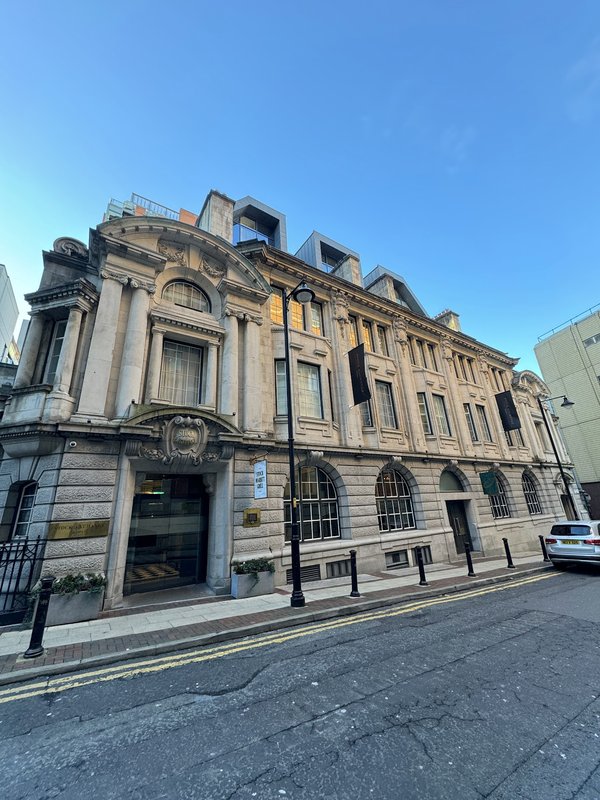 9.4
9.4
Stock Exchange Hotel
Norfolk Street, city centre
from £295/night
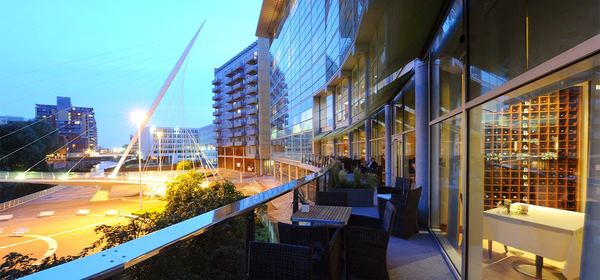 8.9
8.9
The Lowry Hotel
Chapel Wharf, Salford, by the Irwell
from £210/night
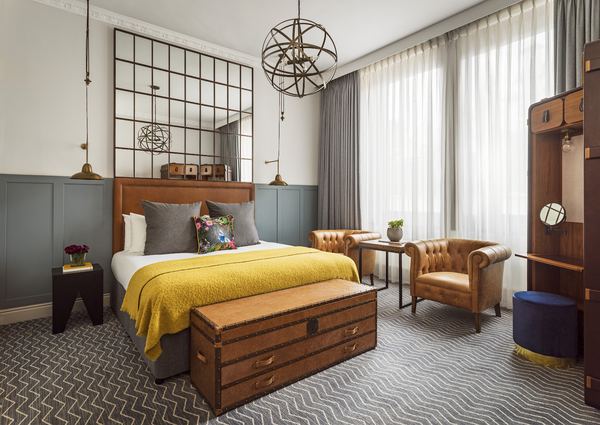 8.7
8.7
Kimpton Clocktower Hotel
Oxford Street, city centre
from £175/night
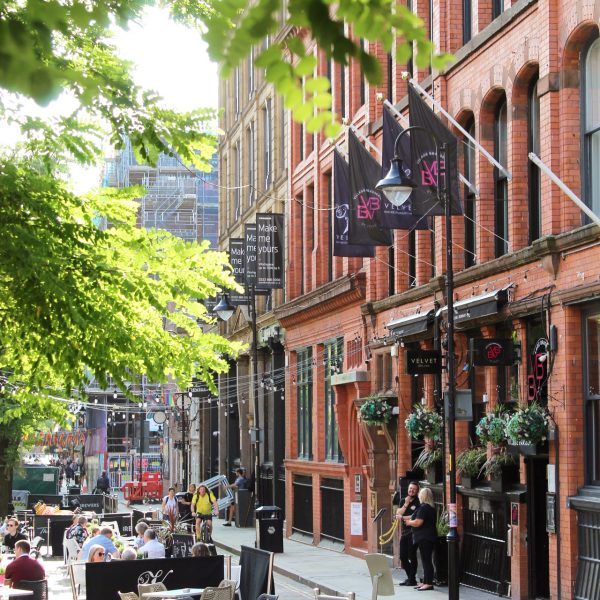 8.6
8.6
Velvet Hotel
Canal Street, Gay Village
from £115/night
 8.9
8.9
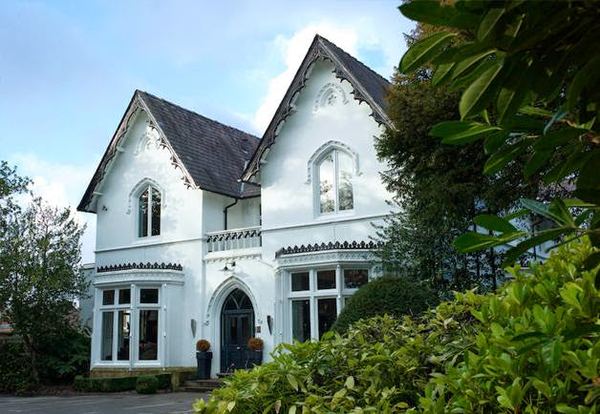
Didsbury House
Didsbury Park, Didsbury Village
from £135/night
 9.0
9.0
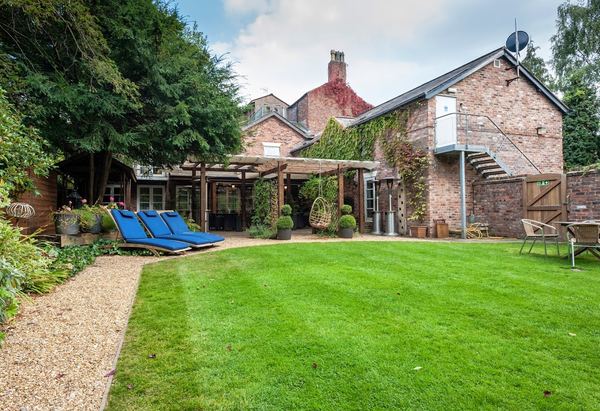
Eleven Didsbury Park
Didsbury Park, Didsbury Village
from £125/night
 9.3
9.3
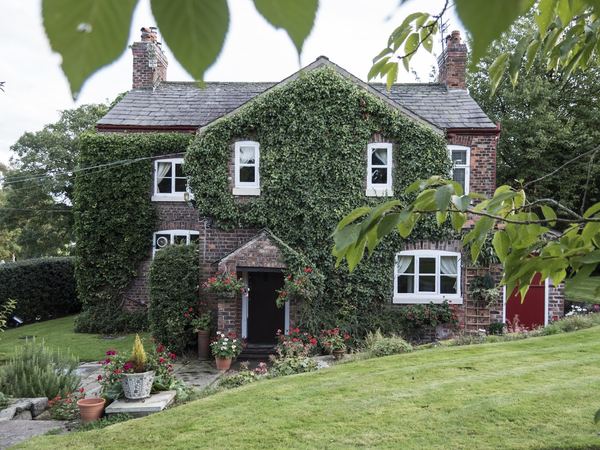
Ash Farm Country House
Little Bollington, near Altrincham
from £95/night
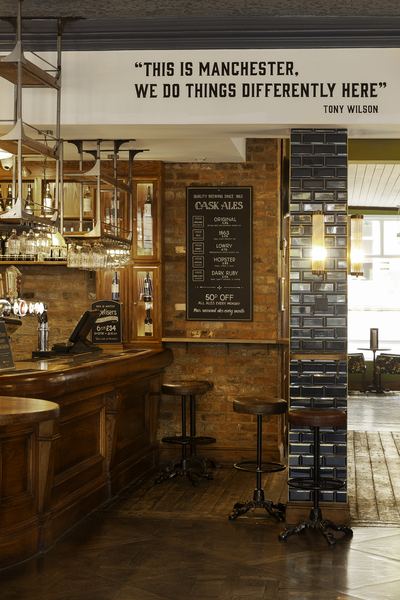
Abel Heywood Boutique Hotel
38 Turner Street, Manchester
Things to Do in Manchester(89)
All attractions in Manchester →Top things to do in Manchester
The city's major museums and galleries are free to enter, which makes a wet afternoon considerably less painful.
- Science and Industry Museum — Built across the site of Liverpool Road station, the oldest surviving passenger railway station anywhere, with working mill engines, the Textiles Gallery and a collection that explains exactly how the city came to exist.
- Manchester Museum — The University of Manchester's collection reopened in 2023 after a major redevelopment, adding a South Asia Gallery and a Chinese Culture Gallery to its Egyptology, its fossils and its live vivarium of frogs and reptiles.
- John Rylands Research Institute and Library — A neo-Gothic library on Deansgate, opened in 1900 as a memorial to a cotton magnate, with a Historic Reading Room that looks more like a chapel than a place to consult manuscripts.
- The Whitworth — Set in its own park on Oxford Road, strong on textiles, wallpapers and Turner watercolours, with a glass wing that pushes out into the trees and a good cafe attached to it.
- Manchester Art Gallery — On Mosley Street, best known for its Pre-Raphaelites, including Ford Madox Brown's Work, alongside a substantial collection of British art and craft.
- Old Trafford and the Etihad Stadium — Both clubs run stadium and museum tours on non-matchdays, and the National Football Museum at Cathedral Gardens covers the wider game if you would rather not pick a side.
- IWM North — Daniel Libeskind's fractured aluminium building at Salford Quays, where the galleries darken every hour for a projection across the walls, sits within walking distance of The Lowry and MediaCity.
- Castlefield — The canal basin below Deansgate, with restored locks, the reconstructed gatehouse of the Roman fort and towpaths that lead out towards Salford and Trafford.



Where to Eat in Manchester(2,024)
All restaurants in Manchester →Food and drink in Manchester
The regional specialities are unglamorous and worth seeking out. Eccles cakes come from the Salford suburb of the same name, flaky pastry packed with currants and best eaten with Lancashire cheese. Bury black pudding is sold from stalls on Bury Market, boiled and served with mustard. Manchester tart is a coconut-topped custard and jam affair familiar to anyone schooled in the North West, and Vimto was mixed up in a house on Granby Row in 1908, commemorated by a wooden sculpture near the spot.
Rusholme's Wilmslow Road, still known as the Curry Mile, runs for the best part of a kilometre of South Asian and Middle Eastern kitchens, and Chinatown around Faulkner Street is one of the largest in Europe. For a single stop covering a lot of ground, Mackie Mayor occupies the restored Smithfield Market Hall in the Northern Quarter, with traders sharing communal tables; Altrincham Market, a tram ride south, did the same thing first.
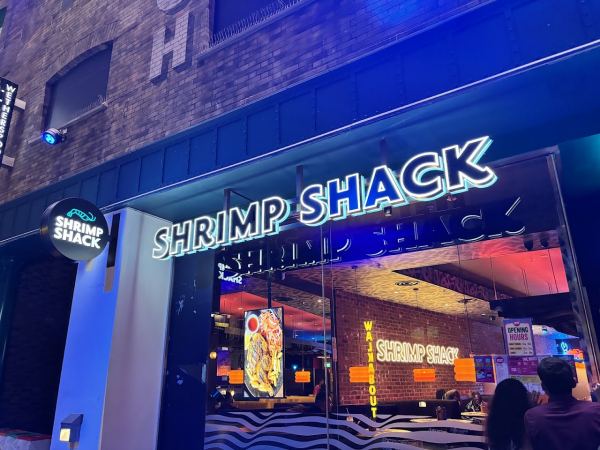
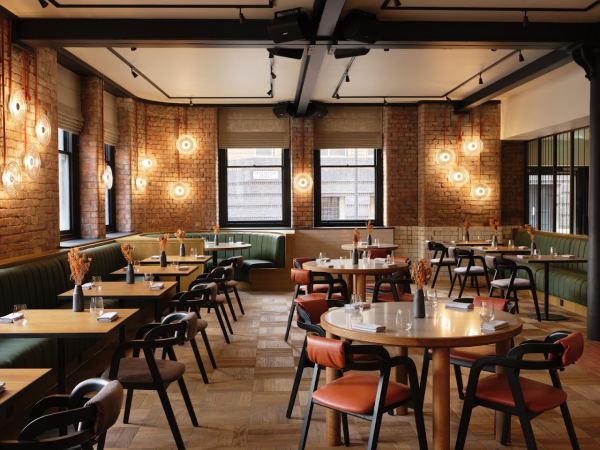
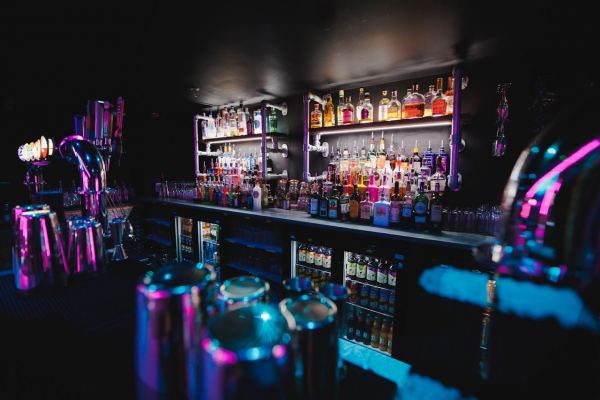
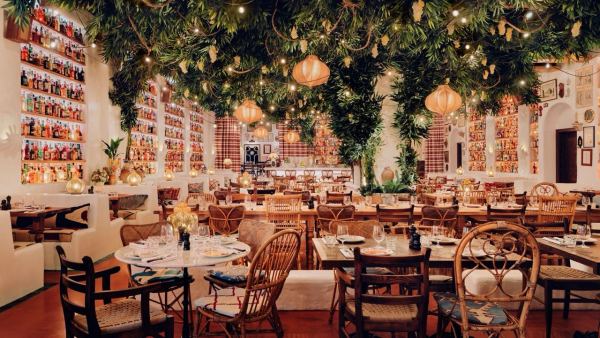
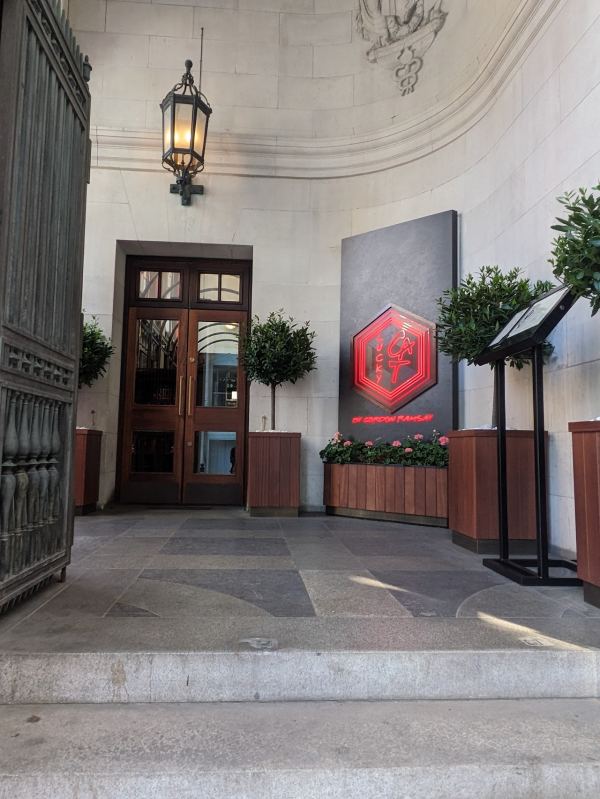
At the ambitious end, Mana in Ancoats holds a Michelin star, Adam Reid at The French cooks inside The Midland, and Higher Ground and Erst have both built reputations on short, ingredient-led menus. Drinking is a strength: the Marble Arch on Rochdale Road pours beer brewed on the premises, the Britons Protection and the Peveril of the Peak are tiled Victorian survivors, and Cloudwater and Track keep taprooms out towards Piccadilly and Ancoats.

Attractions Near Manchester
All attractions in Manchester →Worth the trip — within 50 miles of Manchester.
 0 mi
0 mi
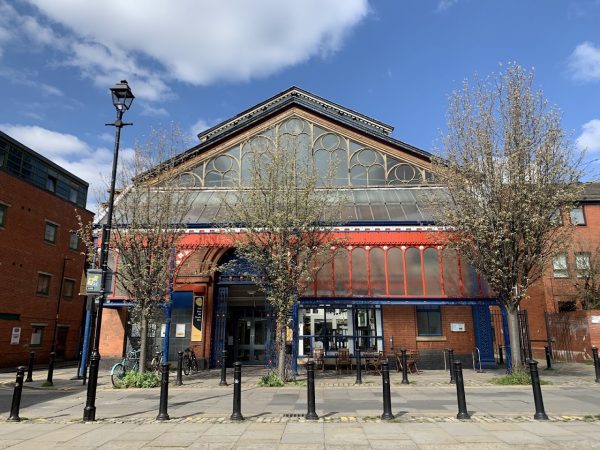
Manchester Craft and Design Centre
Godmanchester · ⭐ 4.6
 1 mi
1 mi
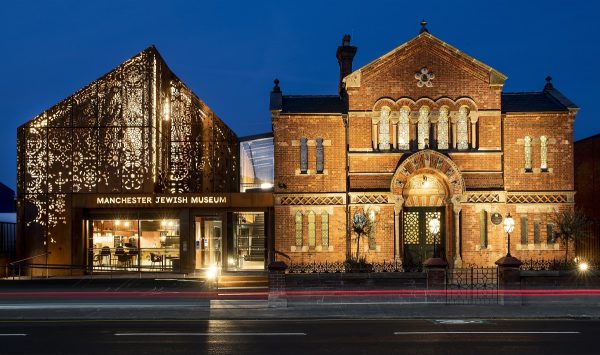
Manchester Jewish Museum
Godmanchester · ⭐ 4.6
 1 mi
1 mi
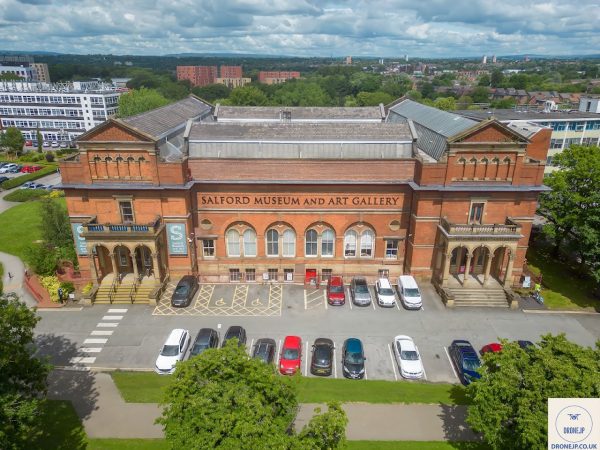
Salford Museum and Art Gallery
Salford · ⭐ 4.6
 1 mi
1 mi
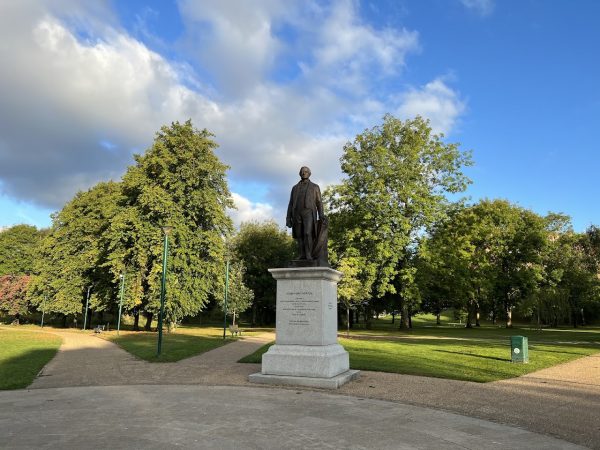
Peel Park Salford
Salford · ⭐ 4.6
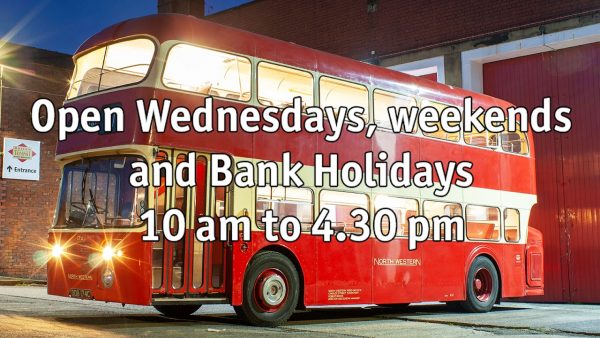 2 mi
2 mi
Museum of Transport
Cheetam Hill · ⭐ 4.7
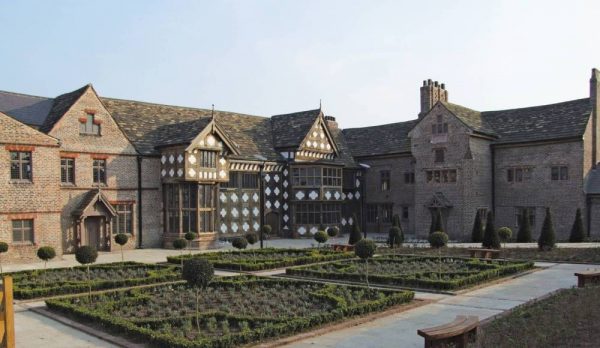 2 mi
2 mi
Ordsall Hall
Salford · ⭐ 4.7
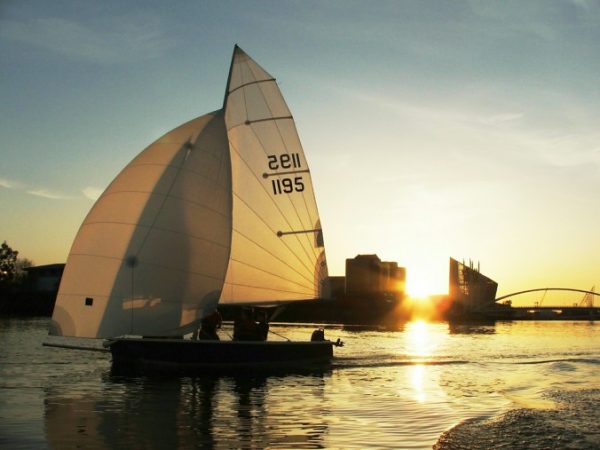 2 mi
2 mi
Helly Hansen Watersports Centre
Salford · ⭐ 4.8
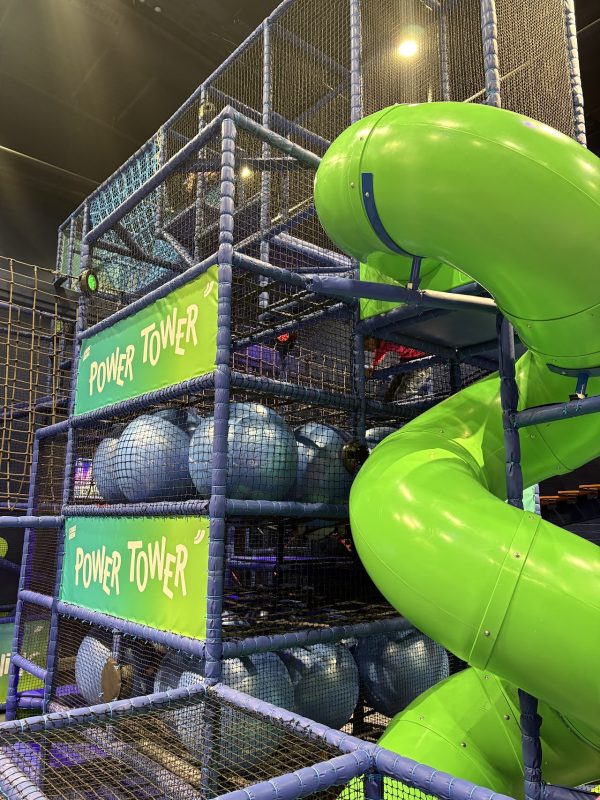 2 mi
2 mi
Oxygen Activeplay MediaCity
Salford · ⭐ 4.4
Camping in Manchester(4)
All campsites in Manchester →About camping in Manchester
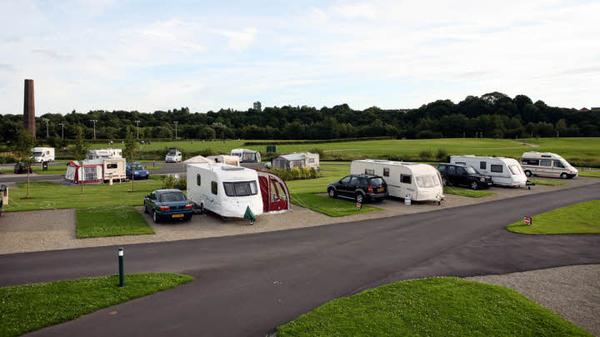
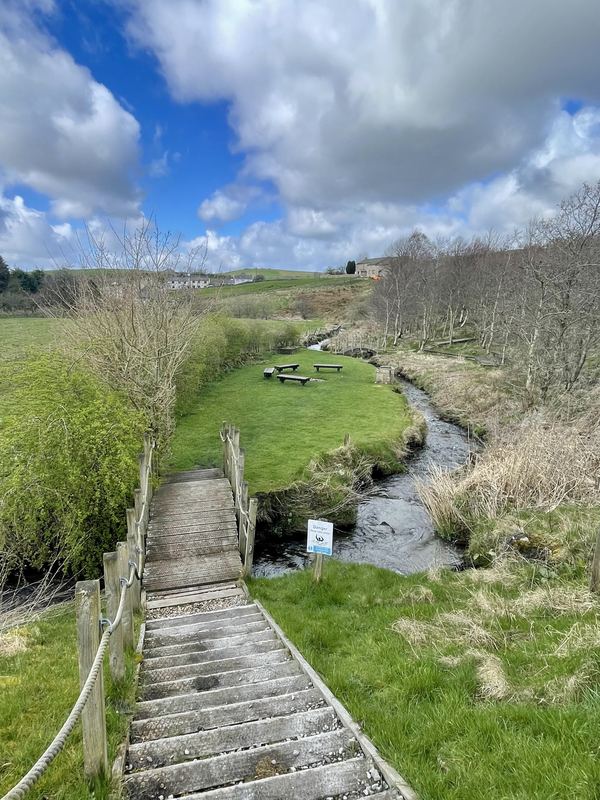
Manchester itself has no campsites, and that is not an oversight — the city centre is dense, built over and short of the kind of open ground a touring park needs. What it does have is a ring of countryside that starts remarkably close in. The West Pennine Moors rise immediately north of Bolton and Bury, the Cheshire plain opens out to the south and west, and the western edge of the Peak District National Park is reachable within half an hour of the southern suburbs. Every practical option for camping near Manchester sits somewhere on that ring, generally between eight and fifteen miles out, with a train or tram back into the centre.
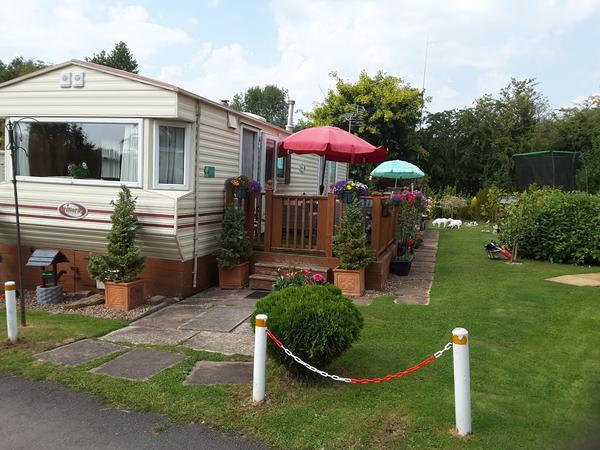
The terrain divides fairly neatly. North and east of the city the ground rises quickly into gritstone moorland, and sites there tend to be sloping, exposed and rewarding, with proper walking straight from the pitch — Holcombe Hill, Peel Tower and the Irwell Valley are all within reach. South and west the land flattens into farmland and canal country around Cheshire, where the pitches are level, the sites more likely to take caravans and motorhomes, and the weather noticeably kinder.
That weather deserves respect. Greater Manchester records something in the order of 800 to 870 millimetres of rain a year, spread across roughly 140 wet days, and the moorland fringe collects considerably more than the city does. Pitch on ground that drains, bring a groundsheet you trust, and expect at least one wet night in any three-night stay.
Wild camping is not legal in England without the landowner's permission, and the moors around Manchester are working grouse moor, water catchment or National Trust land rather than open access for overnight stays. The Scottish right to roam does not apply here. Use a booked site.
May to September is the practical season. Several sites in this area open only from March or Easter until the end of October, and July and August book out around the Ramsbottom and Bury event calendars, so reserve ahead for summer weekends.
Self-Catering Cottages in Manchester
All cottages in Manchester →This Charming House
4 bed · sleeps 10 · from £1,566
Smithy Lodge at Heaton Park
2 bed · sleeps 4
Luke House
3 bed · sleeps 7 · from £597
The Farmhouse Retreat
1 bed · sleeps 2 · from £393
Carlton House
3 bed · sleeps 5 · from £911
Alphin Apartment
2 bed · sleeps 4 · from £303
Ye Olde Mottram Chip Shop
2 bed · sleeps 4 · from £1,116
Doorstones Cottage
2 bed · sleeps 4 · from £473
Common questions about Manchester
How many campsites are there in Manchester?
We list 4 campsites in and around Manchester, of which 3 take tents and 2 offer glamping.
Are there dog-friendly campsites in Manchester?
Yes — 3 of the 4 campsites we list in Manchester accept dogs, including Burrs Country Park Club Campsite and Elm Beds Caravan Park.
Which campsites in Manchester have electric hook-up?
3 of the 4 campsites we list in Manchester offer an electric hook-up.
Where can I stay in Manchester?
We list 158 hotels, B&Bs and guest houses in and around Manchester. Prices start from around £95 a night.
What is there to do in Manchester?
We list 89 attractions and things to do in and around Manchester.
Where can I eat in Manchester?
We list 2,024 restaurants, pubs and cafes in and around Manchester.