Wye Valley
Limestone gorges, ruined abbeys and England's most-loved river
Photo © Wye Valley Area of Outstanding Natural Beauty (AONB), Google Maps
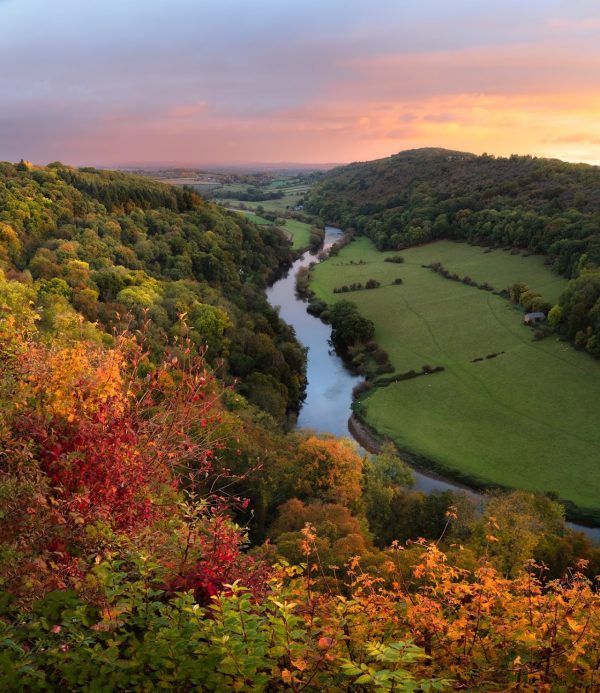
The Wye Valley follows the River Wye as it loops through limestone gorges and wooded hillsides along the border between England and Wales, from the market towns of Herefordshire down to the tidal reaches near Chepstow. It has been protected as an Area of Outstanding Natural Beauty since 1971, one of the earliest such designations in Britain, and the reasons are obvious from the moment the road climbs out of Ross-on-Wye towards Symonds Yat Rock: a river doubling back on itself far below, oak woods running down to the water, and buzzards riding the thermals above the gorge.
This is a landscape that has drawn visitors for over two centuries. The Wye Tour, a boat trip downstream from Ross-on-Wye to Chepstow taken by curious travellers from the 1780s onward, is usually credited with inventing the very idea of scenic tourism in Britain, and the valley's mix of ruined abbey, river cliffs and dense woodland was exactly what those early Romantic sightseers were looking for. William Wordsworth wrote some of his best-known lines after walking above Tintern Abbey in 1798, and JMW Turner painted the gorge repeatedly. Little of that appeal has faded: the abbey ruins still stand roofless and dramatic beside the river, the gorge still narrows and widens in the same theatrical way, and the woodland still turns the same deep gold every October.
What makes the Wye Valley distinctive today is the contrast packed into a fairly compact area. Ross-on-Wye and Monmouth are handsome market towns with independent shops and riverside walks on their doorstep. Symonds Yat is a scattered hamlet split either side of the gorge, known for its rock viewpoint, canoeing and peregrine falcons. Tintern is barely more than a village but holds one of the most photographed ruins in Wales. Further south, Chepstow guards the point where the Wye meets the Severn estuary, its Norman castle standing on cliffs above the water. Between these places lie miles of walking and cycling routes, working farms, small vineyards and the tree cover of the Forest of Dean pressing in from the English side.
Getting to Wye Valley
Trains from London Paddington to Hereford take around two and a half to three hours, usually changing at Newport or Cardiff, and Hereford is a reasonable base for the northern end of the valley including Ross-on-Wye, though a car or taxi is needed for the final leg since Ross itself has no railway station. For the southern valley, trains from London Paddington to Chepstow take roughly two and a quarter hours via Newport, and Chepstow station sits a short walk from the castle and town centre. Monmouth also lost its passenger rail service decades ago, so the nearest stations for that end of the valley are Abergavenny or Gloucester, both around 25 minutes away by road.
By car, the valley is best reached via the M50 from the Midlands, which meets the A40 at Ross-on-Wye, or via the M4 and M48 across the Severn crossings for Chepstow and the southern valley. The A466 threads the length of the gorge itself between Chepstow and Monmouth, a narrow and scenic but slow road that suits an unhurried pace rather than a quick transit. Parking is available in all the main towns and at Symonds Yat Rock, though the Symonds Yat car parks fill early on summer weekends. Bristol Airport is the nearest with scheduled international flights, around an hour's drive from Chepstow, while Birmingham Airport serves the northern end of the valley in a little over an hour.
Best time to visit Wye Valley
Spring brings bluebells to the valley's ancient woodlands from mid-April, along with the return of migrant birds to the gorge and noticeably quieter paths than summer. Wild garlic carpets many of the riverside walks around the same time, and the weather is often clear enough for good long-distance views from Symonds Yat Rock.
Summer is the busiest season, with canoe hire, riverside pubs and the main viewpoints all at their most crowded, particularly on fine weekends and school holidays; it is also the best time for a longer canoe trip, since river levels are lower and more predictable than in winter. Booking accommodation and canoe slots well ahead is worth it for July and August.
Autumn is arguably the valley's finest season, as the oak and beech woodland along the gorge turns gold and copper through October and the crowds thin considerably. Tintern Abbey and Goodrich Castle both look especially good against autumn colour, and the local orchards move into cider and perry pressing.
Winter is quiet and often atmospheric, with mist regularly filling the gorge at dawn and the River Wye prone to flooding onto the water meadows around Ross-on-Wye and Hereford after heavy rain. Some smaller attractions and seasonal cafés close between November and February, but the main castles, the abbey and the towns stay open, and log fires in the valley's older pubs are reward enough for a bracing walk.
Where to stay in Wye Valley(7)
All hotels in Wye Valley →About staying in Wye Valley
Where to base yourself in the Wye Valley depends on how much of the gorge you want on your doorstep. Symonds Yat, split across its East and West banks by the river, suits anyone who wants to step straight out of their room onto the gorge paths or into a canoe, and the choice ranges from a historic riverside inn to a family-run hotel in a sixteenth-century building. Ross-on-Wye offers the widest spread of accommodation types and the most restaurants and shops within walking distance, making it a sensible base for a longer stay or a first visit that wants some flexibility. Further south, Monmouth and the villages around it, including Whitchurch and Clearwell, put you closer to Tintern Abbey and the lower gorge, while a night in a converted farmhouse or country house near Ross-on-Wye adds a slower, more rural pace to a trip built mostly around walking and the river.
Booking ahead matters more here than the valley's quiet reputation suggests. The best riverside rooms at Symonds Yat and the handful of well-regarded restaurants-with-rooms scattered through the valley are genuinely small operations with limited capacity, and they fill for summer weekends, half-term and the October half-term leaf-peeping season well in advance. Outside those peaks, particularly in winter, most properties in the valley have more room to negotiate on rates and are used to guests arriving for a short, walking-focused break rather than a full week, so one or two nights are easy to accommodate at short notice.
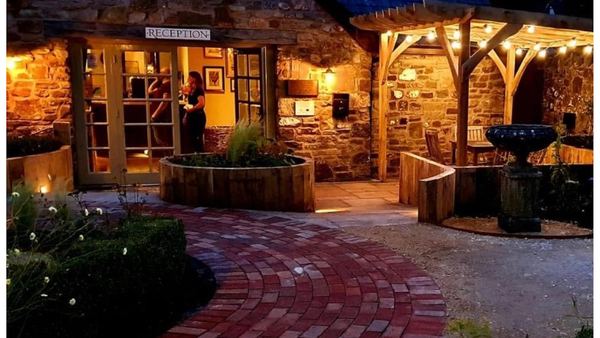 9.1
9.1
Tudor Farmhouse Hotel
Clearwell, Forest of Dean
from £165/night
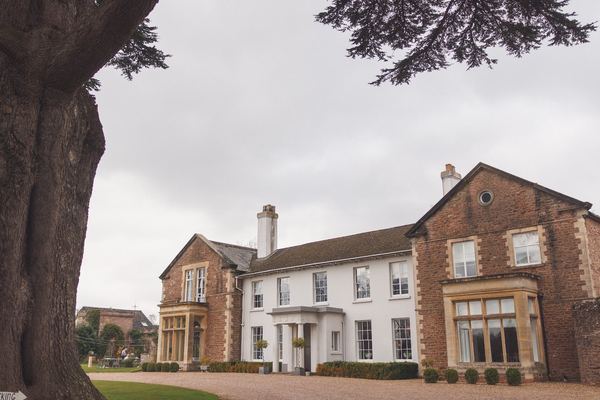 8.9
8.9
Glewstone Court Country House
Glewstone, near Ross-on-Wye
from £150/night
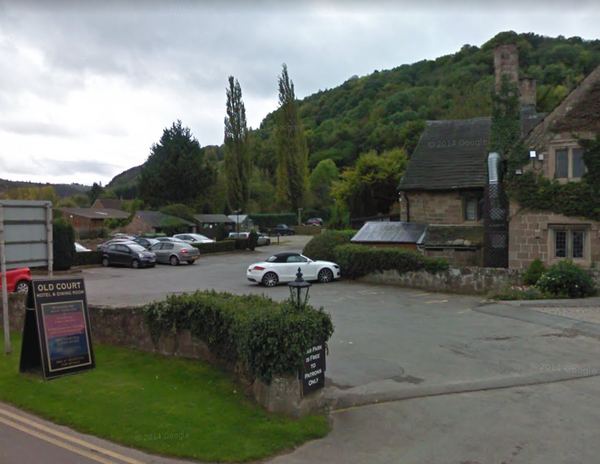 8.5
8.5
Wilton Court Hotel
Wilton, Ross-on-Wye
from £120/night
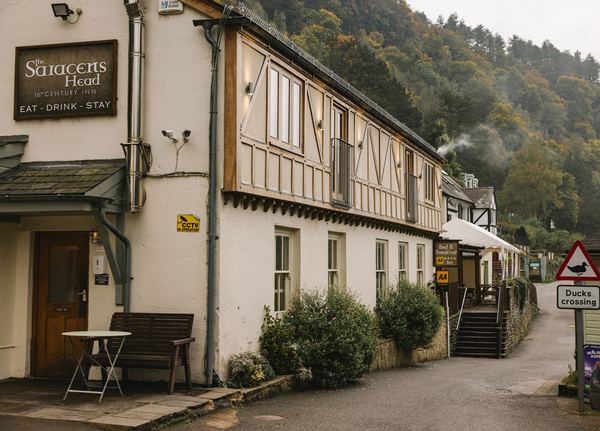 8.6
8.6
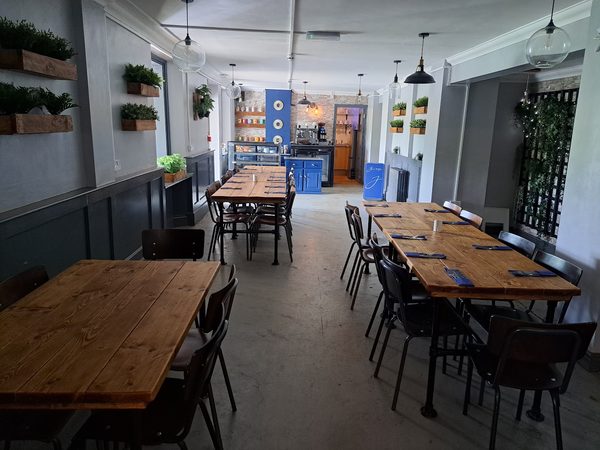
Saracens Head Inn
Symonds Yat East
from £95/night
 8.2
8.2
Inn on the Wye
Kerne Bridge, near Goodrich
from £90/night
 9.0
9.0
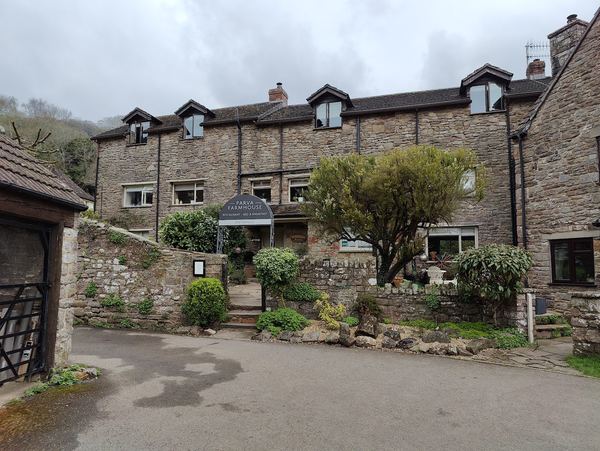
Parva Farmhouse
Tintern, Monmouthshire
from £100/night
 8.7
8.7
The Cottage of Content
Carey, near Hoarwithy
from £95/night
Things to Do in Wye Valley
All attractions in Wye Valley →Top things to do in Wye Valley
The valley rewards slow travel more than a checklist, but these are the places most visitors build a trip around.
- Symonds Yat Rock is the valley's best-known viewpoint, a limestone outcrop with a sweeping view over a hairpin bend in the river, and one of the most reliable places in England to watch wild peregrine falcons through the RSPB's viewing telescopes.
- Tintern Abbey stands roofless beside the river in the village of the same name, its soaring Gothic arches and empty window tracery largely unchanged since Wordsworth's visit and still one of the most atmospheric ruins in Wales.
- Goodrich Castle, a red sandstone Norman fortress on a bluff above the Wye, is one of the best-preserved medieval castles in the country and comes with a genuinely dramatic approach across a dry moat.
- Canoeing the Wye between Symonds Yat and Monmouth, or further downstream towards Tintern, is the classic way to see the gorge from water level; several operators run guided trips and canoe hire from Symonds Yat East.
- Chepstow Castle, begun within a year of the Norman Conquest, is reckoned to be one of the oldest surviving stone castles in Britain and dominates the cliffs above the tidal Wye at the valley's southern end.
- Puzzlewood, an ancient oak woodland riddled with moss-covered rock formations and used as a filming location for several fantasy productions, sits just over the border in the Forest of Dean.
- The Peregrine Path and gorge walks around Symonds Yat and the Biblins suspension bridge give access to some of the best short walking in the valley, with options to loop back along the riverbank.
- Ross-on-Wye's market and riverside are worth an afternoon in their own right, with the town's red sandstone church spire, Georgian market house and independent shops overlooking meadows that flood gently most winters.
Where to Eat in Wye Valley
All restaurants in Wye Valley →Food and drink in Wye Valley
The Wye Valley sits at the heart of English and Welsh cider and perry country, and small producers along both banks of the river press their own from old local orchards, with tasting rooms open through the autumn pressing season. Herefordshire is also serious cattle country, and beef from the valley's pastures turns up on menus throughout the region, alongside lamb from the hill farms above the gorge. The county is one of England's main hop-growing areas too, and the Wye Valley Brewery, founded in Hereford in the 1980s, has become one of the best-known independent breweries in the West Midlands, its beers on tap in most of the valley's traditional pubs.
Ross-on-Wye's Thursday and Saturday markets are a good source of local cheese, meat and seasonal produce, while Monmouth's own market and independent food shops reflect its role as the main town on the Welsh side of the valley. Riverside pubs are a defining feature of the area: the Saracens Head at Symonds Yat and the Boat Inn near Redbrook both serve food with direct river views, while smaller villages such as Whitebrook and Hoarwithy hold dining pubs that have built strong reputations well beyond the valley. Salmon and trout from the Wye itself, once a much bigger part of the local diet before stocks declined, still appear on some menus, usually sourced with an eye to sustainability given the river's protected status.

Attractions Near Wye Valley
All attractions in Wye Valley →Worth the trip — within 50 miles of Wye Valley.
 0 mi
0 mi
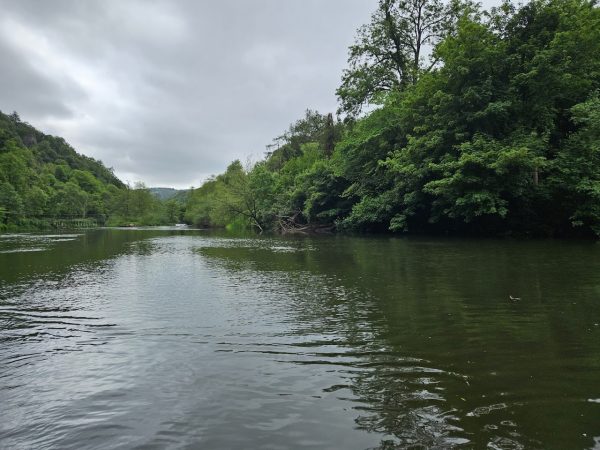
Kingfisher River Cruises
Symonds Yat · ⭐ 4.4
 0 mi
0 mi
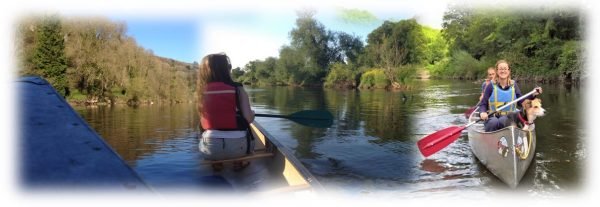
Wyedean Canoe and Adventure Centre
Ross-on-Wye · ⭐ 4.7
 1 mi
1 mi
Symonds Yat Treasure Hunt Trail
Symonds Yat · ⭐ 4.4
 1 mi
1 mi
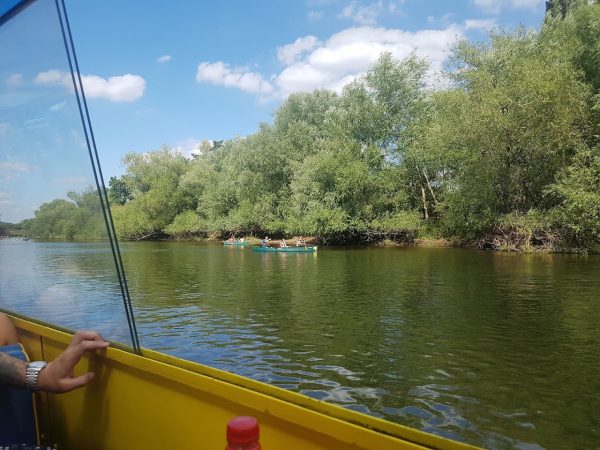
Symonds Yat West Leisure Park
Ross-on-Wye · ⭐ 3.7
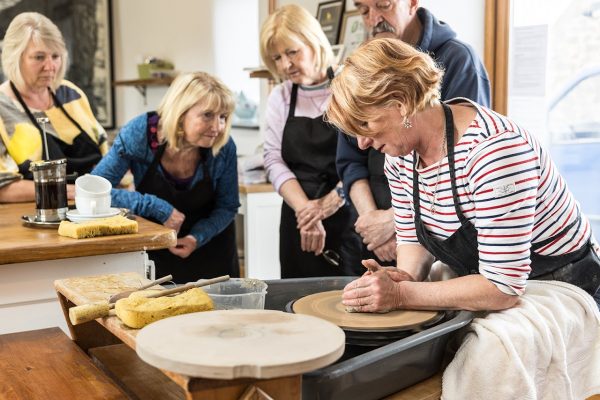 1 mi
1 mi
Hot Pot Pottery
Christchurch · ⭐ 4.9
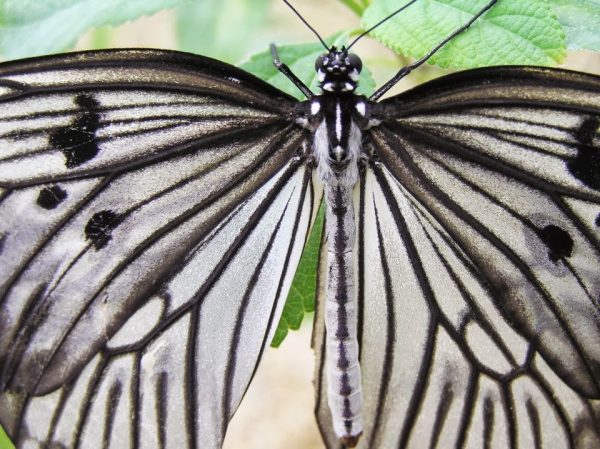 1 mi
1 mi
Wye Valley Butterfly Zoo
Ross-on-Wye · ⭐ 4.3
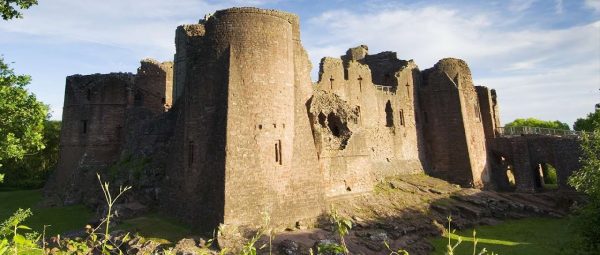 3 mi
3 mi
Goodrich Castle
Ross-on-Wye · ⭐ 4.7
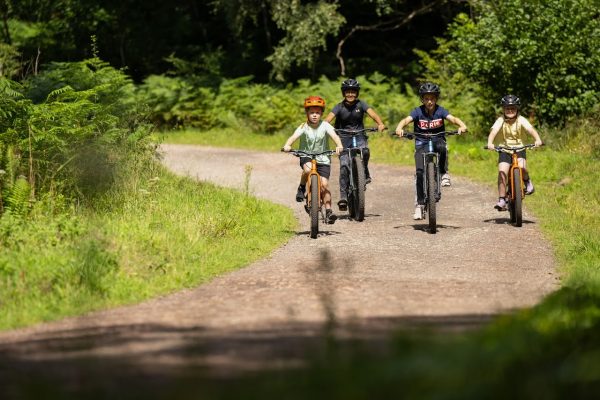 3 mi
3 mi
Pedalabikeaway
Coleford · ⭐ 4.5
Camping in Wye Valley(1)
All campsites in Wye Valley →About camping in Wye Valley
Camping in the Wye Valley means pitching within earshot of the river more often than not, since most established sites cluster along the water between Hereford, Ross-on-Wye and the Forest of Dean, taking advantage of the flat meadowland the Wye has carved out over centuries. The terrain away from the river turns quickly to wooded hillside and limestone outcrop, so most campsites sit in the valley bottom rather than up on the gorge sides, giving easy access to canoe launch points, riverside pubs and level walking without a steep climb back to the tent. Ground can be soft after wet weather, and several sites close or restrict pitches through the winter months when the Wye is prone to flooding its meadows.
Wild camping has no general legal right in England or Wales outside a small area of Dartmoor, so camping in the Wye Valley means using one of the valley's established sites, whether a simple farm-based field or a larger touring park with full facilities; landowners along the river are generally unwilling to permit informal pitching given how much pressure the gorge already receives. The most comfortable months to camp are May to September, when river levels are lower and more predictable for canoeing and the woodland paths are dry underfoot, though committed campers with good kit find late September and early October rewarding for the autumn colour along the gorge, provided they can handle cooler nights and the occasional wet spell rolling in from the Atlantic.
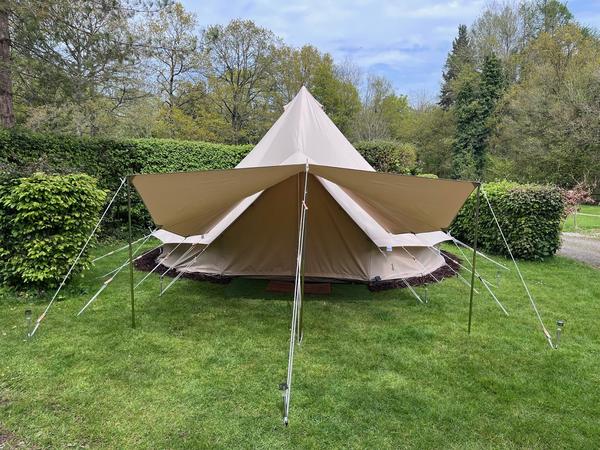
Badger Barn Retreat
⭐ 5.0 · from £66/night
Doward Park Camp Site
⭐ 4.8 · from £20/night
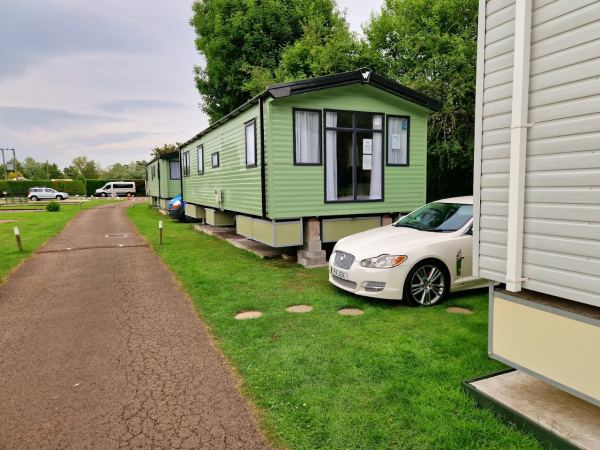
Sterretts Caravan Park
⭐ 4.4
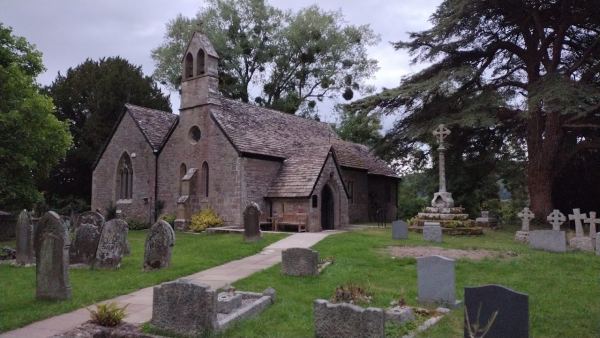
River Wye Camping
⭐ 3.7
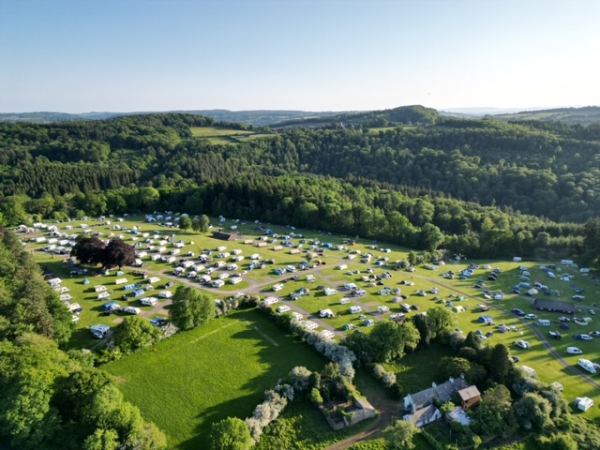
Braceland Camping And Caravan Park
⭐ 4.5
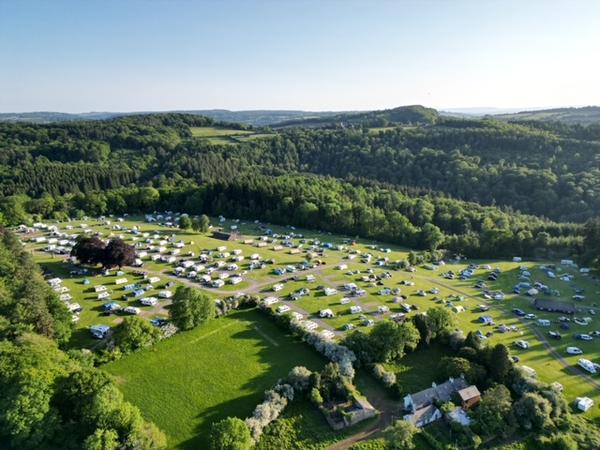
Bracelands Campsite
⭐ 4.5 · from £18/night
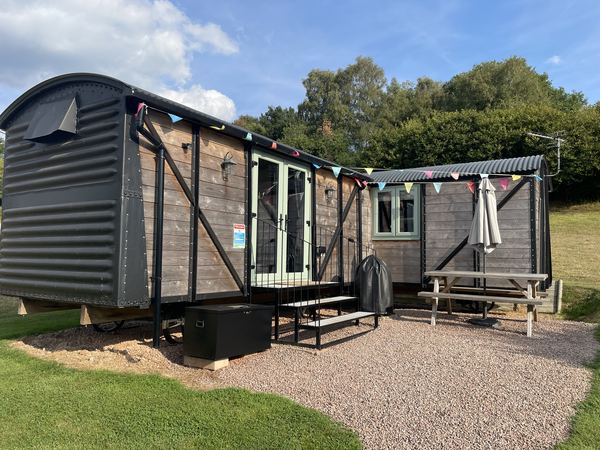
Hoarthorns Hideaway
⭐ 5.0 · from £426/night
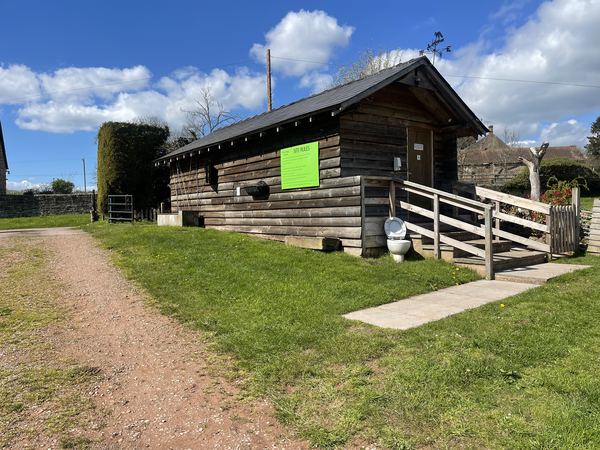
Elmsdale Camping
⭐ 4.7 · from £26/night
Self-Catering Cottages in Wye Valley
All cottages in Wye Valley →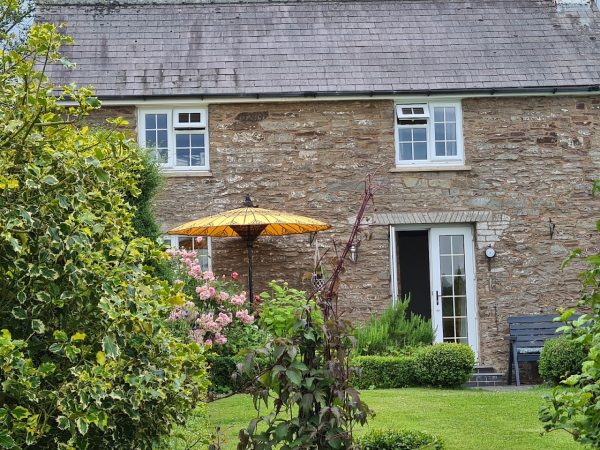
The Smithy Barn
6 bed · sleeps 14 · from £3,325
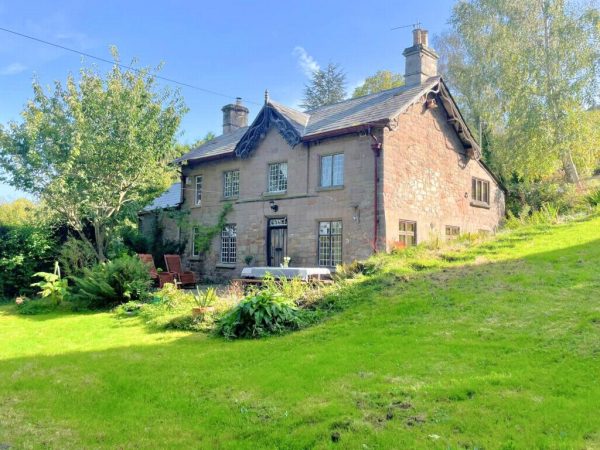
Mountain Rise Cottage
sleeps 4 · from £1,171
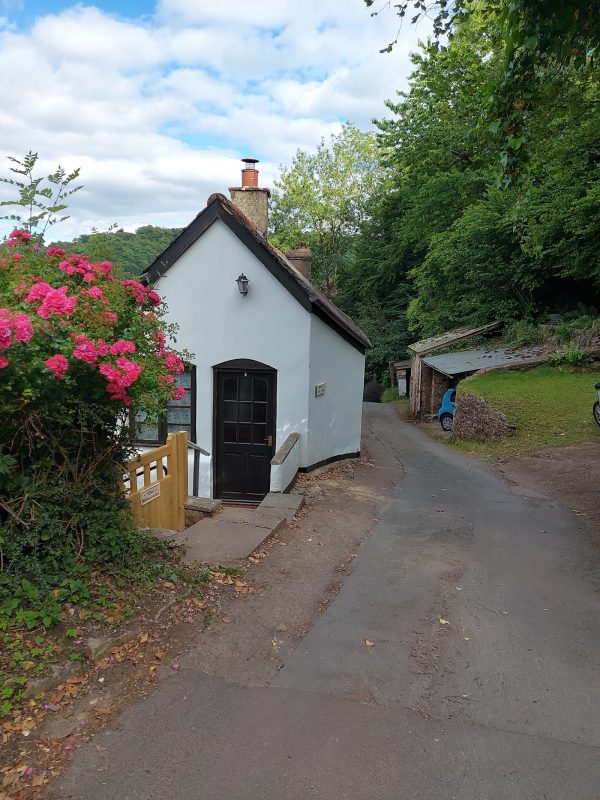
River Wye View Cottage
2 bed · sleeps 3
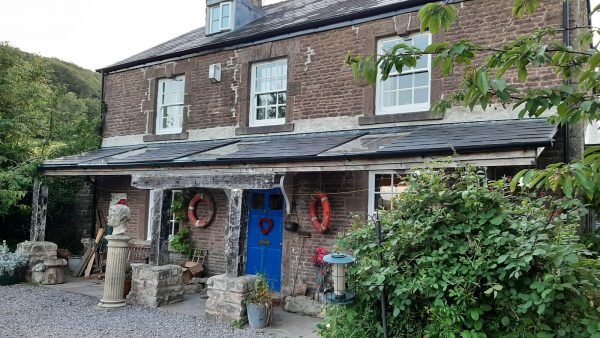
Doward Farm
7 bed · sleeps 16 · from £1,007
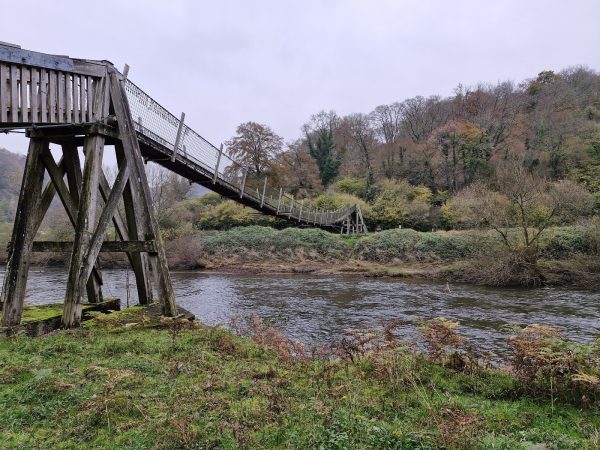
Thornhill
3 bed · sleeps 6 · from £443
Clock Tower Cottage
3 bed · sleeps 6 · from £597
The Briars
3 bed · sleeps 6
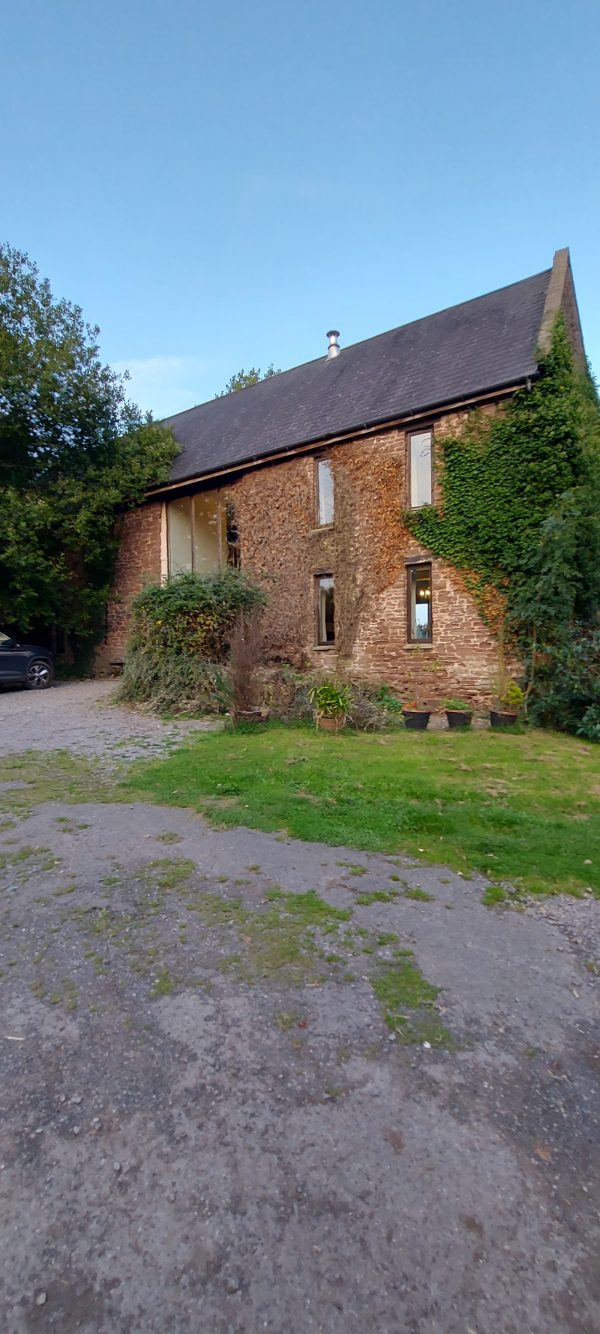
Foxcote and Glen Cottages at Newcourt Farm- Glen Cottage at Newcourt Farm
4 bed · sleeps 6 · from £533
Common questions about Wye Valley
How many campsites are there in Wye Valley?
We list 1 campsites in and around Wye Valley, of which 1 take tents and 1 offer glamping.
Are there dog-friendly campsites in Wye Valley?
Yes — 1 of the 1 campsites we list in Wye Valley accept dogs, including Doward Park Camp Site.
Which campsites in Wye Valley have electric hook-up?
1 of the 1 campsites we list in Wye Valley offer an electric hook-up.
Where can I stay in Wye Valley?
We list 7 hotels, B&Bs and guest houses in and around Wye Valley. Prices start from around £90 a night.