Stevenage
The new town with an old town heart
Photo © Ross Cunningham, Google Maps
Stevenage sits in north Hertfordshire, roughly 30 miles north of London and within a short hop of the Chilterns to the west. It's a town of two halves: a compact, timber-framed Old Town with a medieval street plan, and the much larger post-war New Town built around it from 1946 onwards, with wide green verges, cycleways and a purpose-built pedestrianised centre. That contrast is Stevenage's defining feature — you can walk from 1950s planning textbook to a High Street pub that's been serving ale for centuries in about fifteen minutes.
Designated the first New Town under the New Towns Act 1946, Stevenage was built to rehouse Londoners displaced by wartime bombing and post-war overcrowding, and its layout became a template studied by planners around the world. Today the surrounding borough blends that new-town fabric with genuinely rural Hertfordshire on its doorstep — rolling farmland, historic villages and one of the county's grandest stately homes are all a short drive or train ride away, making Stevenage a practical, well-connected base for exploring the wider county.
Getting to Stevenage
Stevenage sits directly on the East Coast Main Line, and Stevenage station has fast, frequent services to London King's Cross, with the quickest trains covering the roughly 26-mile journey in around 20 minutes and a regular half-hourly pattern throughout the day. Trains also run north to Peterborough, Leeds and beyond, making Stevenage a genuinely useful base for day trips in either direction, and the town's position on a main line means it's just as easy to arrive without a car as with one.
By road, the town sits just off the A1(M), with junctions 7 and 8 serving Stevenage directly, and the A602 and A1072 connecting into the surrounding villages and towns towards Hitchin, Knebworth and Welwyn Garden City. London Luton Airport is around 30 minutes away by car, and Stansted is under an hour, so international arrivals are straightforward too. Once in town, the New Town's cycleway network — largely segregated from traffic and threaded with underpasses beneath the main roads — makes getting around on two wheels easier than in most towns its size, and local bus routes link the residential neighbourhoods back into the town centre and station.
Best time to visit Stevenage
Late spring through early autumn suits Stevenage best, when Fairlands Valley Park's water sports are running and the Old Town's pub gardens and café terraces come into their own. Knebworth House and its gardens are typically open to visitors from spring to early autumn, so a trip timed for April to September gives the best chance of combining a house visit with the parkland and outdoor events in town. Winter still works well for the museum, the Old Town's pubs, and Christmas markets and lights in the town centre, and it's a quieter time to explore without the crowds of peak season.
Where to stay in Stevenage(9)
All hotels in Stevenage →About staying in Stevenage
Hotels in Stevenage are built around convenience: this is a well-connected town on the East Coast Main Line and just off the A1(M), so most of its accommodation caters to business travellers and people passing through, which in practice means reliable, competitively priced rooms for holidaymakers too. Budget and mid-range chain hotels cluster around the town centre, the railway station and the motorway junctions, making them an easy, no-fuss base for exploring the town itself or using Stevenage as a springboard into the rest of Hertfordshire.
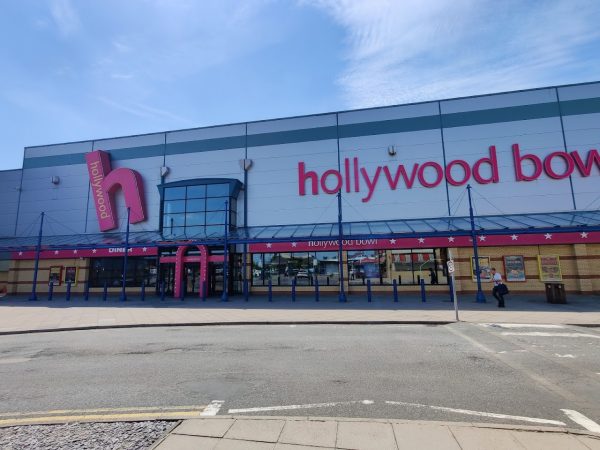
For visitors who want to combine a stay with the town's own attractions, hotels within walking distance of the Old Town High Street or Fairlands Valley Park put the museum, the historic pubs and the parkland's water sports and cycle trails on the doorstep. Families in particular will find the town centre's hotels well placed for the leisure park's cinema and bowling, plus quick access to Knebworth House and its gardens a short drive to the south.
Those wanting a quieter or more characterful stay tend to look just outside Stevenage, where the surrounding Hertfordshire villages offer country inns with rooms, small independent guesthouses and farm-based accommodation set among the fields and lanes towards Knebworth and the Chilterns fringe. These give a genuinely rural feel while keeping Stevenage's shops, station and restaurants within easy striking distance, and they suit anyone splitting a trip between the town's practical amenities and the surrounding countryside's slower pace.
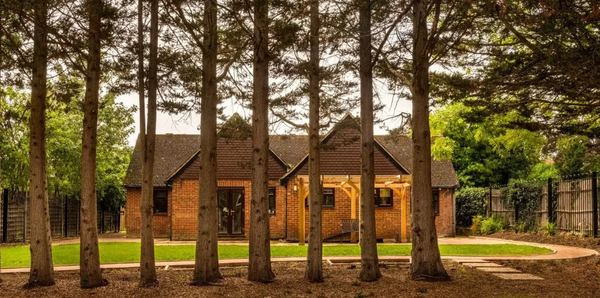
Abbington Hotel
23 Hitchin Road, Stevenage
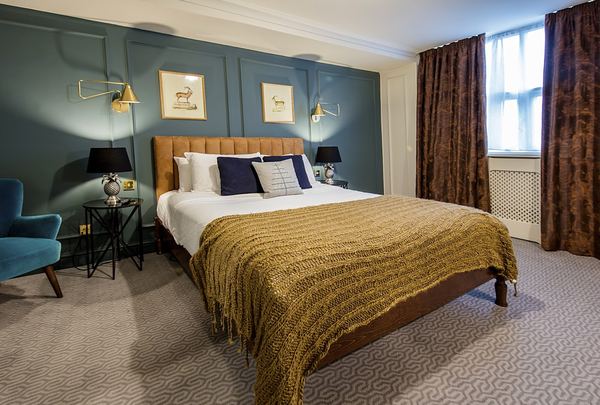
Cromwell Hotel Stevenage
High Street Old Town, Stevenage
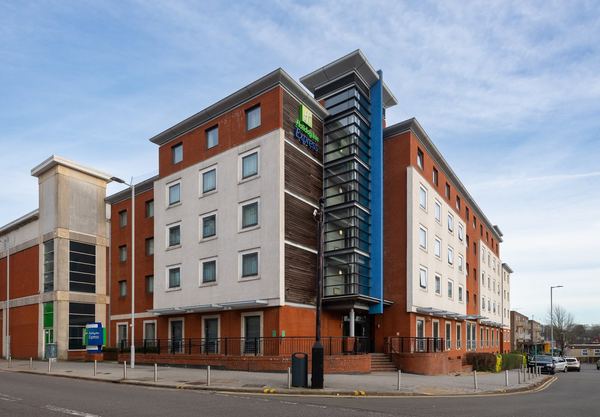
Holiday Inn Express Stevenage
Danestrete, Stevenage
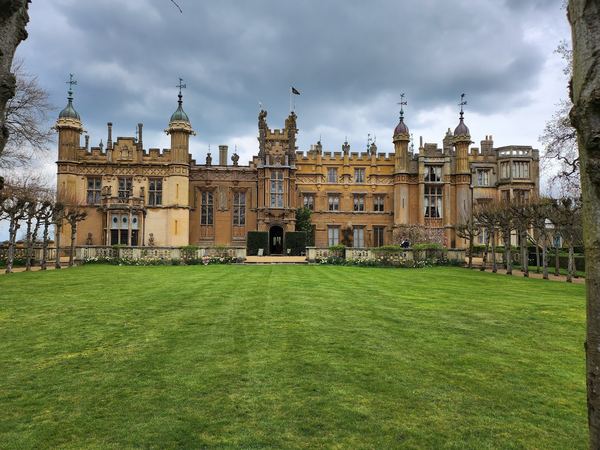
Holiday Inn Stevenage
St Georges Way, Stevenage
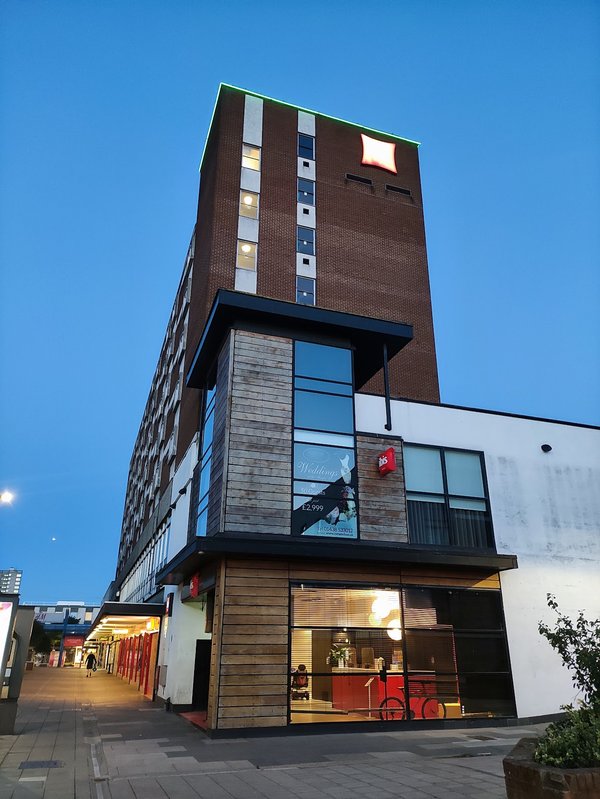
ibis Stevenage Centre
Danestrete, Stevenage
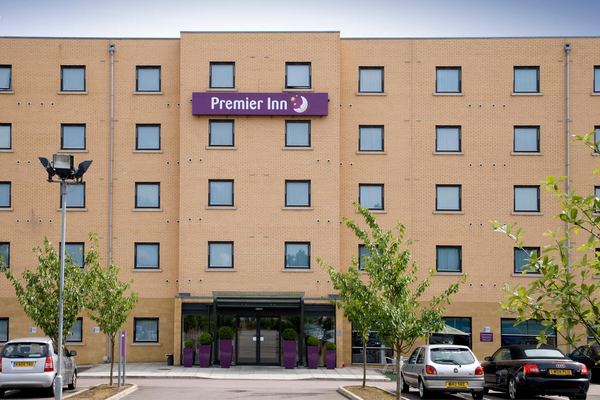
Premier Inn Stevenage Central
Six Hills Way, Stevenage
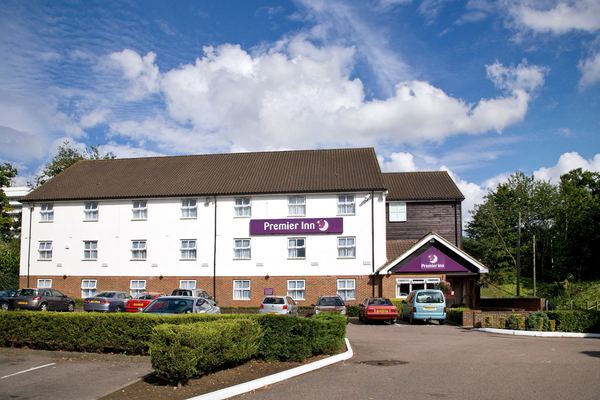
Premier Inn Stevenage North
Coreys Mill Lane, Stevenage
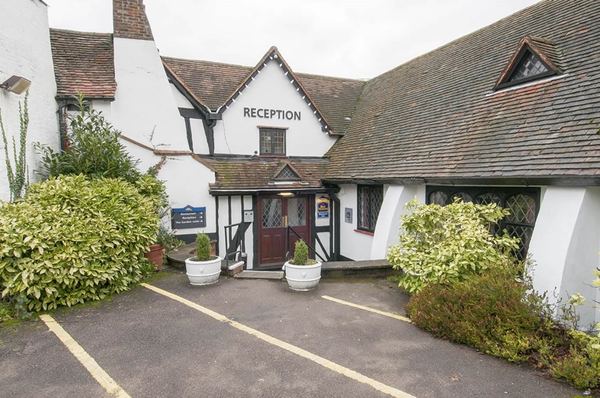
Roebuck Inn
London Road, Stevenage
Things to Do in Stevenage(7)
All attractions in Stevenage →Top things to do in Stevenage
Stevenage's attractions range from its new-town heritage to green open space and a genuine stately home just down the road, so there's a fair spread of things to fill a day or two.
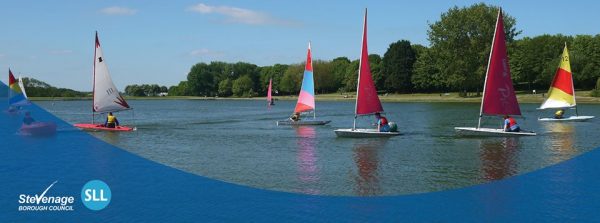
- Fairlands Valley Park — around 120 acres of parkland and three lakes laid out through the town, with canoeing, kayaking and windsurfing on the water, plus a mountain bike track and climbing wall on land; it regularly ranks among the region's most-loved free attractions.
- Stevenage Museum — a compact community museum, founded in 1954, telling the story of the town's dual identity: an ancient settlement transformed almost overnight into Britain's first post-war New Town.
- Stevenage Old Town — the original medieval town, with a High Street of independent shops, cafés and centuries-old coaching inns that survived the New Town's arrival largely intact.
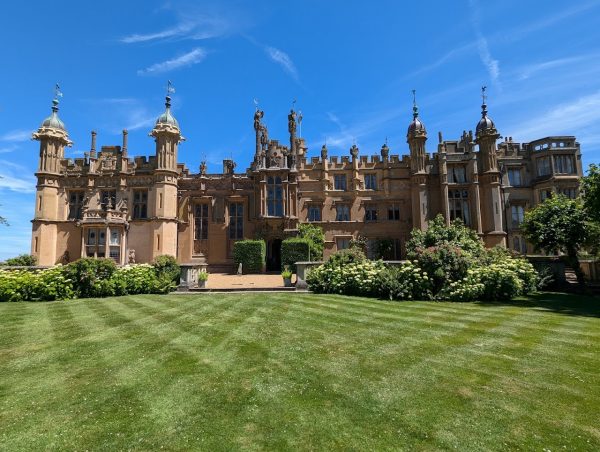
- Knebworth House — a Tudor manor remodelled in flamboyant Gothic style, five miles south of Stevenage, set in extensive gardens and parkland and famous for hosting major outdoor concerts over the decades.
- Stevenage town centre and Southgate — one of the earliest purpose-built pedestrianised shopping centres in the country, worth a look for anyone interested in post-war urban planning as much as for the shops themselves.
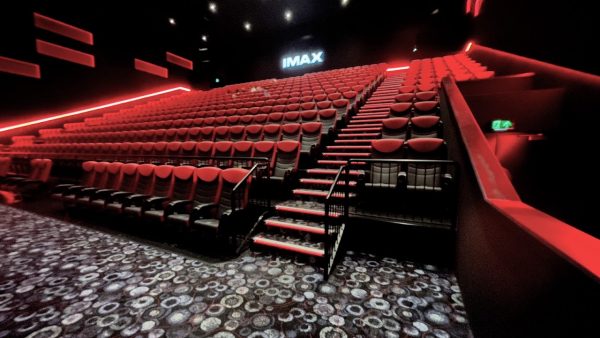
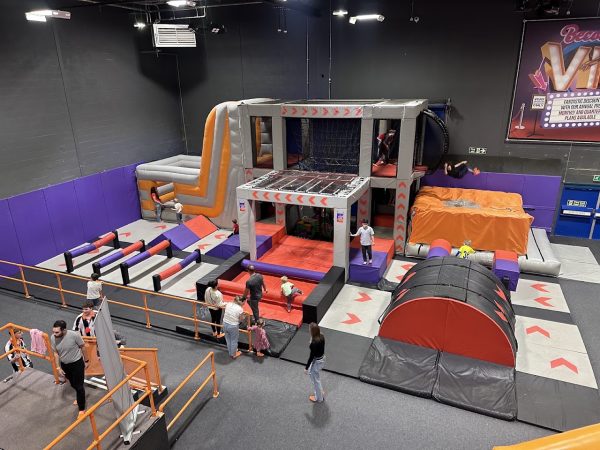
- Roaring Meg Retail Park and cinema/leisure quarter — modern multiplex, bowling and restaurants for an easy evening out.
- Fairlands Valley Farm and nearby countryside walks — footpaths link the park to surrounding green space, giving quick access to open country without leaving town.
Beyond the headline sights, Stevenage rewards a bit of wandering. The New Town's original neighbourhood layout — self-contained residential "units" each with their own local shops and green space, built around a strict separation of pedestrians and traffic — was hugely influential in post-war planning circles, and walking or cycling the underpass network that still threads beneath the main roads is a small pleasure for anyone interested in how the town was designed to work. The Old Town's parish church, St Nicholas, has origins going back centuries and sits at the heart of the historic settlement that predates the New Town by hundreds of years, giving a useful counterpoint to the concrete-and-parkland image most visitors arrive with.
Where to Eat in Stevenage(21)
All restaurants in Stevenage →Food and drink in Stevenage
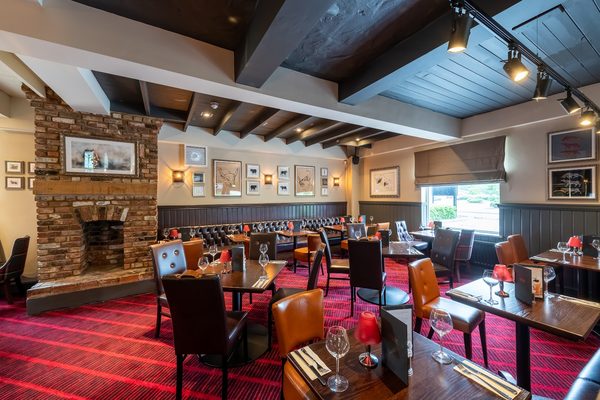
The Old Town High Street is the best place to start, with independent cafés and restaurants sitting alongside historic coaching inns that have served the road between London and the north for centuries. The Drapers Arms is a longstanding High Street pub with a solid food menu and sports screens, while Lavish Bar and Grill brings Turkish and Mediterranean-style grills and cocktails to the same stretch, and El Bar de Tapas is a family-run tapas spot in the historic High Street. The town centre and Roaring Meg leisure park add a wider spread of chain restaurants and casual dining for evenings out, useful for anyone combining a cinema trip or bowling with a meal, and the surrounding villages offer classic country pubs serving traditional British food for those happy to travel a little further out towards Knebworth or Hitchin.


Attractions Near Stevenage
All attractions in Stevenage →Worth the trip — within 50 miles of Stevenage.
 3 mi
3 mi
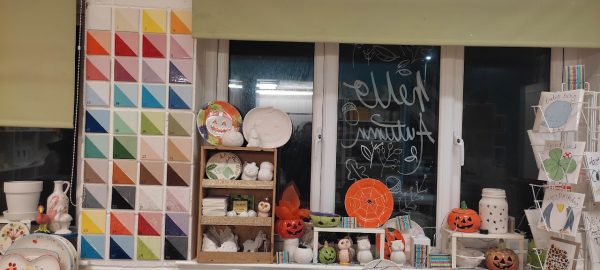
Potstop
Knebworth · ⭐ 4.9
 3 mi
3 mi
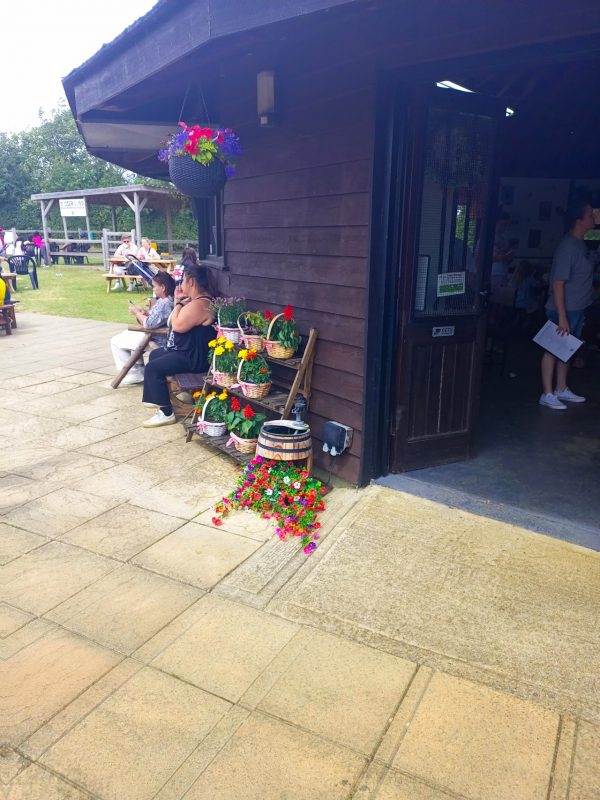
Graveley Fruit Farm
Hitchin · ⭐ 4.4
 5 mi
5 mi
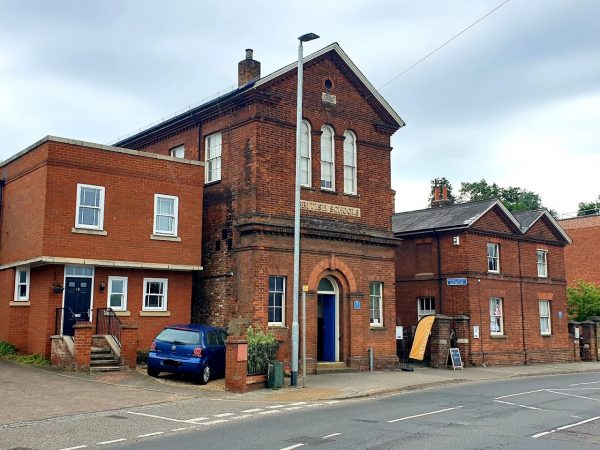
British Schools Museum
Hitchin · ⭐ 4.7
 5 mi
5 mi
Little Rascals Hitchin
Hitchin · ⭐ 4.1
 5 mi
5 mi
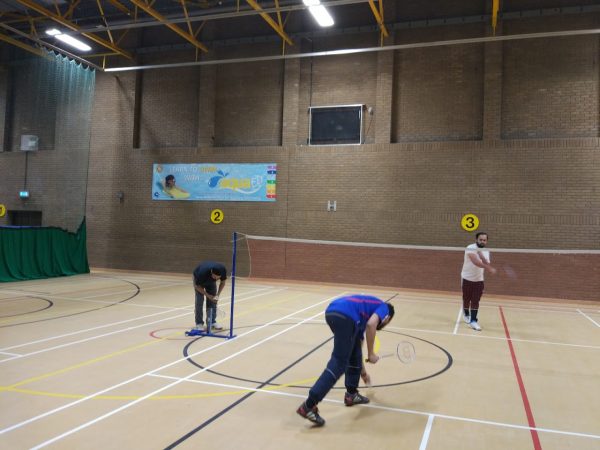
North Herts Leisure Centre
Letchworth · ⭐ 3.8
 5 mi
5 mi
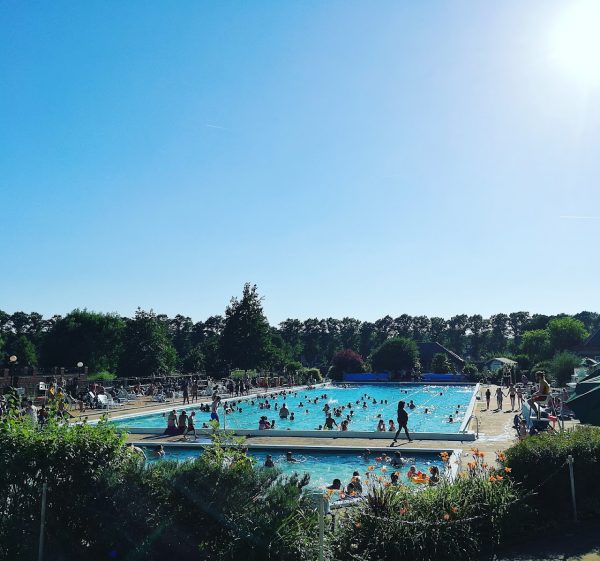
Hitchin Swimming Centre
Hitchin · ⭐ 4.1
 5 mi
5 mi
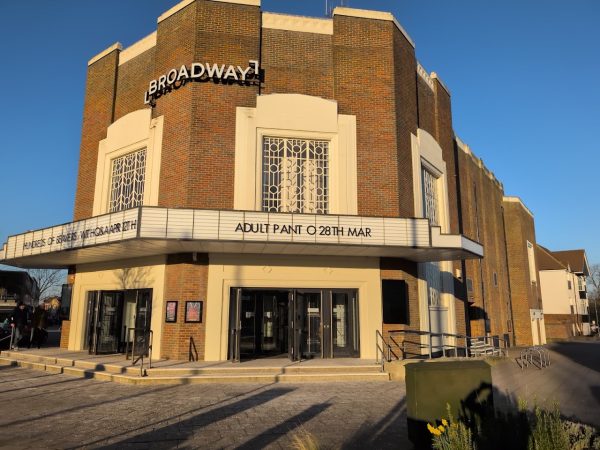
Broadway Cinema & Theatre
Letchworth · ⭐ 4.7
 5 mi
5 mi
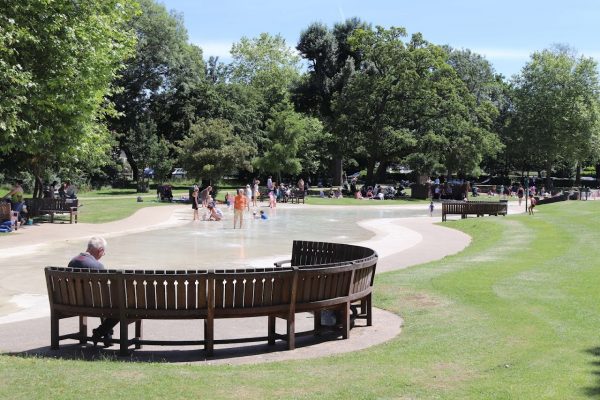
Howard Park and Gardens
Letchworth · ⭐ 4.5
Camping in Stevenage(1)
All campsites in Stevenage →About camping in Stevenage
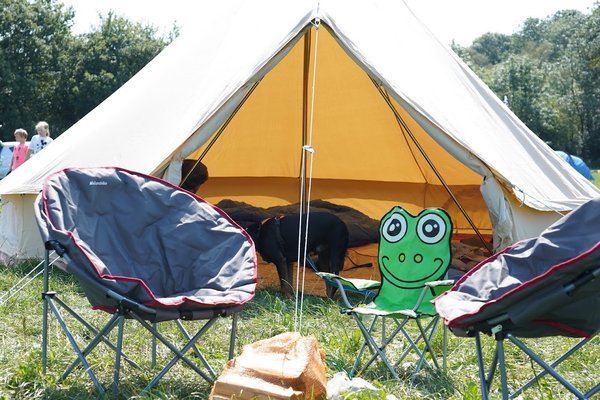
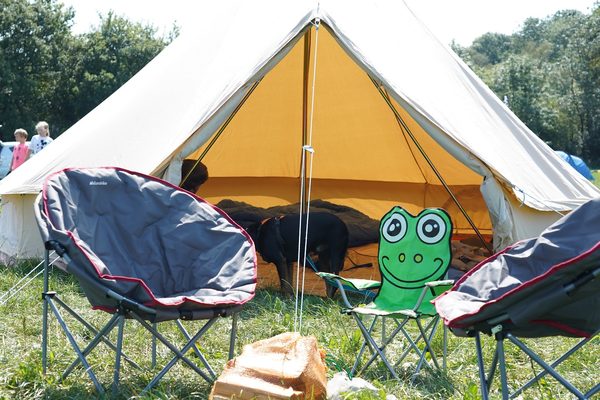
Stevenage itself is firmly urban New Town, but the Hertfordshire countryside on its doorstep — rolling farmland, hedgerows and quiet lanes towards Knebworth, the Mimrams and the edges of the Chilterns — gives campers a genuine rural escape within a short drive. As with anywhere in England, wild camping without the landowner's permission is illegal, so plan around Hertfordshire's licensed campsites and Certificated Sites (small, simple sites for a handful of units, often on working farms) rather than pitching up on open land. The terrain here is gentle: low hills, mixed farmland and river valleys rather than anything dramatic, which makes for easy, family-friendly camping and straightforward cycling or walking between pitches and the surrounding villages.
Late spring to early autumn is the sweet spot, when the ground is drier, daylight runs long, and nearby attractions like Knebworth House's gardens and outdoor events are in full swing. Hertfordshire's clay-heavy soil can turn heavy going after wet weather, so anyone bringing a tent should keep an eye on the forecast, particularly outside the height of summer. Facilities on small countryside sites tend to be simple — a water point, basic toilets, sometimes an honesty-box shop — so this is camping for people who want peace and a view of fields rather than a resort-style experience, with Stevenage's shops, station and supermarkets never more than a short drive away for supplies.
For anyone who wants the countryside setting without the tent-pitching, glamping has taken hold across Hertfordshire in the past decade, with shepherd's huts, safari tents and small wooden pods appearing on farms within striking distance of Stevenage. These typically add proper beds, heating and sometimes a wood-burner or hot tub, making them a good option for a shoulder-season break when a traditional tent might feel like hard work. Whichever style of camping suits, Stevenage's location — main-line trains to London, the A1(M) running north-south, and genuine countryside a few minutes outside town — makes it a practical base for combining an outdoor break with easy access to everything else Hertfordshire has to offer.

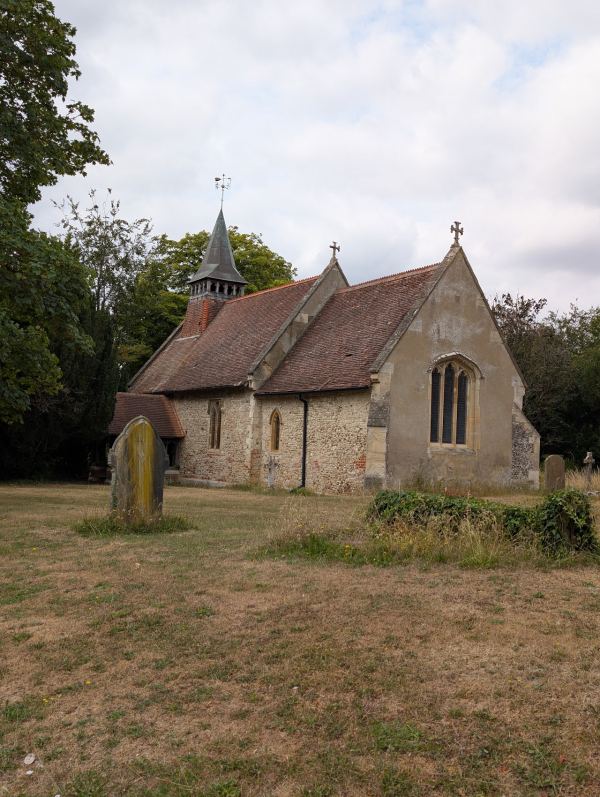
Church Farm
⭐ 4.4 · from £34/night
Radwell Lake Caravan Park
⭐ 4.2

Three Lakes Glamping
⭐ 4.9

Commons Wood Caravan and Motorhome Club Site
⭐ 4.4
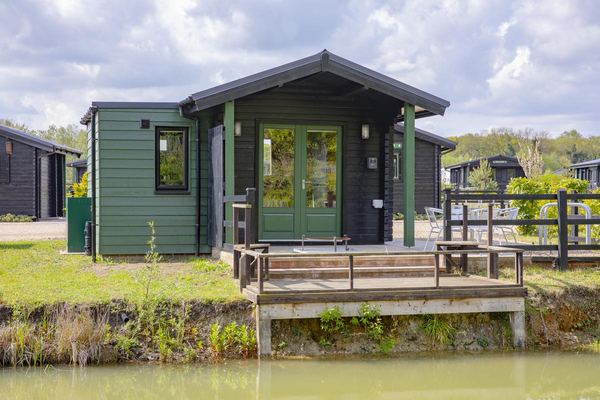
Henlow Bridge Lakes
⭐ 4.5

Hertford Camping and Caravanning Club Site
⭐ 4.5 · from £24/night
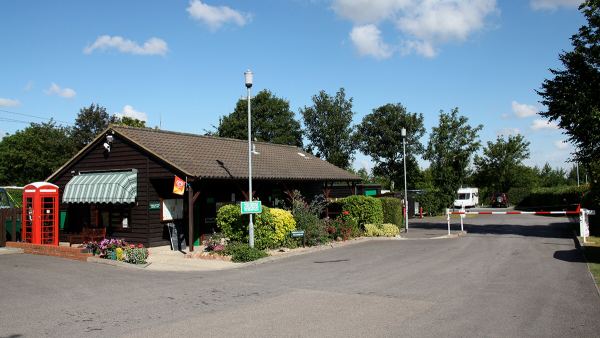
Ashridge Farm Caravan and Motorhome Club Site
⭐ 4.7
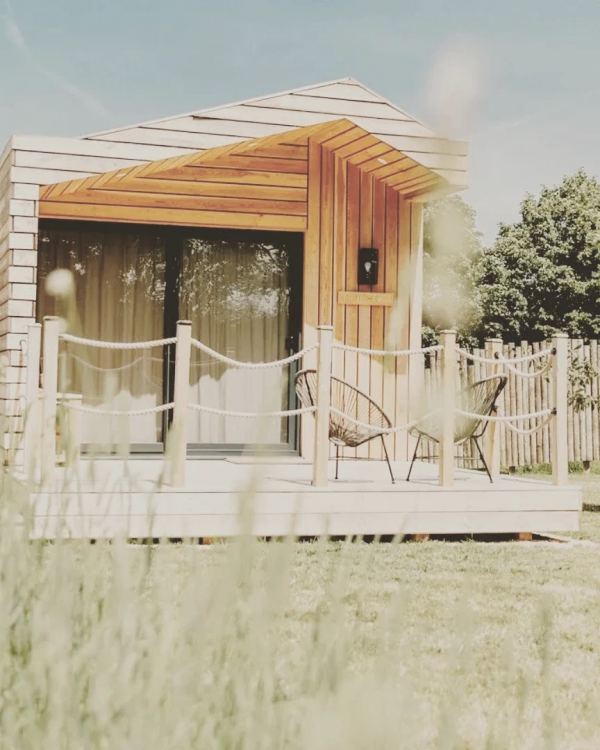
The Grove at Melchbourne
⭐ 5.0 · from £90/night
Self-Catering Cottages in Stevenage
All cottages in Stevenage →The Vineyard Lodge
1 bed · sleeps 4 · from £900
The Gamekeeper - The Gamekeepers Cottage
3 bed · sleeps 8
The Gamekeepers Lodge
1 bed · sleeps 6
Oak Cottage
2 bed · sleeps 4 · from £691
The Chicken Coop
2 bed · sleeps 4 · from £2,174
The Highland Camping Pod
2 bed · sleeps 6 · from £2,174
The Herdwick Safari Tent
1 bed · sleeps 6 · from £2,222
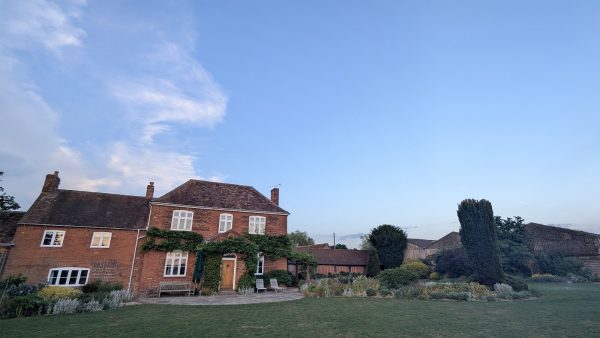
The Farmhouse at Polehanger
6 bed · sleeps 12 · from £4,225
Common questions about Stevenage
How many campsites are there in Stevenage?
We list 1 campsites in and around Stevenage, of which 1 take tents and 1 offer glamping.
Where can I stay in Stevenage?
We list 9 hotels, B&Bs and guest houses in and around Stevenage.
What is there to do in Stevenage?
We list 7 attractions and things to do in and around Stevenage.
Where can I eat in Stevenage?
We list 21 restaurants, pubs and cafes in and around Stevenage.