Isle of Islay
Peaty whisky, wild coastline, ten distilleries on one island
Photo © Glenn Hargreaves, Google Maps
Islay lies at the southern edge of the Inner Hebrides, a low, green island ringed by white sand and black rock, forty-odd minutes' flight from Glasgow or a two-hour ferry crossing from Kennacraig on the Kintyre peninsula. It is known the world over as the whisky isle, home to ten working distilleries whose smoky, medicinal drams have become shorthand for a whole style of Scotch, but Islay is far more than a drinks list. It is a working island of some three thousand people, where farmers still bring cattle down narrow lanes, fishing boats still work out of Port Ellen and Portnahaven, and the RSPB reserve at Loch Gruinart fills each winter with thousands of overwintering barnacle geese.
The island's character changes as you cross it. The south coast around Port Ellen is distillery country, a gentle shoreline path linking Laphroaig, Lagavulin and Ardbeg, each producing whiskies so heavily peated they taste of bonfires and the sea. Bowmore, the island's capital, sits at the head of Loch Indaal with its round church and famous distillery warehouses; Port Charlotte, across the water, is a pretty conservation village with a sandy beach and a museum of island life. The west coast turns properly wild, with the seven-mile arc of the Big Strand, the clifftop drama of the Oa peninsula, and the Rinns of Islay running out towards a lighthouse and a scattering of seal-strewn skerries. In the north, Port Askaig looks across the fast-flowing Sound of Islay to the Paps of Jura, three great cones of quartzite that dominate every view on this side of the island.
What sets Islay apart from more heavily visited parts of Scotland is the sense that everything on the island still has a working purpose. The whisky is made to be sold, the geese are protected because the RSPB reserve genuinely matters to the birds, and the pace of life is set by the ferry timetable and the weather rather than by tourism. Visitors who come for a distillery tour tend to stay for the walking, the birdwatching, the beaches, and the particular quality of light that spills across Loch Indaal on a clear evening.
Getting to Isle of Islay
Islay has its own airport at Glenegedale, with regular Loganair flights from Glasgow taking around forty minutes; connections onward from London add a change at Glasgow, typically five to six hours door to door. By rail, the nearest useful station is Glasgow Central or Glasgow Queen Street, roughly four and a half hours from London Euston by direct LNER or Avanti West Coast services, from where you continue by car or coach to the ferry.
Most visitors travel by road and sea. The drive from Glasgow to the ferry terminal at Kennacraig on West Loch Tarbert takes around two and a half hours via the A82 and A83 down the Kintyre peninsula, through Inveraray and Lochgilphead. CalMac operates the ferry crossing from Kennacraig, sailing to Port Askaig in around two hours; sailings to Port Ellen are suspended while that terminal undergoes redevelopment, so all car and passenger traffic currently uses Port Askaig. Booking a car space well ahead is essential in summer, as sailings are limited and fill quickly. Once on the island, a car is close to essential, since the local bus service is infrequent and does not run on Sundays; free parking is available at all distilleries, beaches and the main villages.
Best time to visit Isle of Islay
Spring brings returning seabirds, new lambs in the fields and lighter evenings, with the Fèis Ìle whisky and music festival held over ten days in late May drawing distillery-goers from around the world, though accommodation for that fortnight books out many months in advance. Summer offers the longest days and the best chance of settled weather for walking the Oa or swimming at Machir Bay, but midges can be troublesome in still, humid conditions inland. Autumn sees the barnacle geese begin arriving at Loch Gruinart from late September, the machair turns gold, and distillery visitor centres are markedly quieter than in high summer. Winter is bracingly wild, with short days and Atlantic storms rolling straight in off the sea, but it is also when the island feels most like itself, with roaring fires in village pubs and the geese present in their full winter numbers.
Where to stay in Isle of Islay(8)
All hotels in Isle of Islay →About staying in Isle of Islay
Islay's accommodation is spread across a handful of villages, each with a distinct character, so where you choose to stay shapes the trip as much as which distilleries make your list. Port Ellen puts you within walking distance of Laphroaig, Lagavulin and Ardbeg and close to the ferry terminal, making it the natural choice for anyone building a trip around the southern distilleries. Bowmore, the island's capital, has the broadest range of shops, restaurants and services, along with its own distillery on the harbour, and works well as a central base for exploring in every direction. Port Charlotte, across Loch Indaal, is quieter and more scenic, with a beach on the doorstep and Bruichladdich and Kilchoman a short drive away.
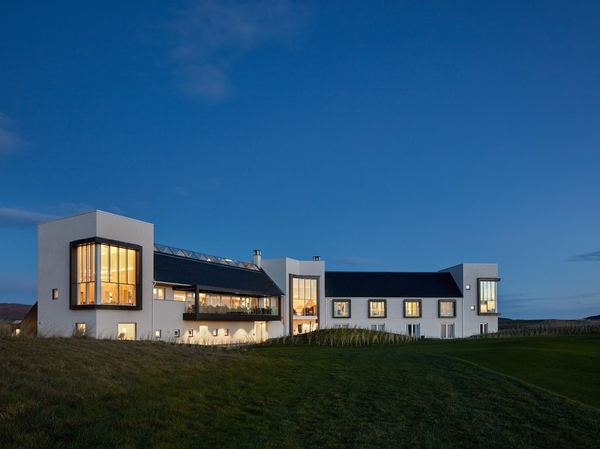
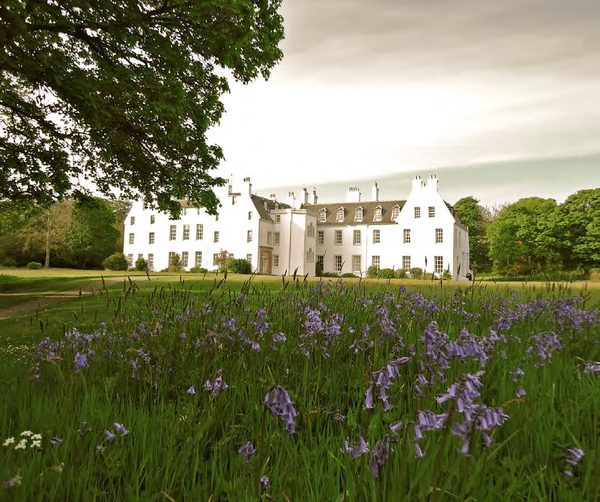
The island's hotels range from grand country houses to small family-run inns above working bars, and from luxury design hotels with golf links attached to unfussy guest houses that have been welcoming visitors for decades. Several of the best-known names, including the Machrie and Islay House, have been substantially renovated in recent years without losing the sense of place that makes staying on Islay different from staying almost anywhere else in Scotland. Smaller guest houses such as Glenegedale House and Kilmeny Country House trade on personal service and genuinely excellent breakfasts rather than scale, and tend to book up early for the Fèis Ìle festival in late May.
Booking ahead matters more on Islay than in most parts of Scotland, since room numbers are modest across the whole island and ferry capacity limits how many visitors can arrive on any given day. Anyone planning to visit during Fèis Ìle, or during the peak weeks of July and August, should expect to book several months out. Outside those periods, particularly in spring and autumn, availability is more relaxed and prices ease accordingly, while still delivering the same warm welcome and views over Loch Indaal or the Sound of Islay that make an Islay stay memorable.
 9.0
9.0
Another Place, The Machrie
Machrie Bay, near Port Ellen
from £245/night
 8.9
8.9
Islay House
Bridgend, head of Loch Indaal
from £195/night
 8.2
8.2
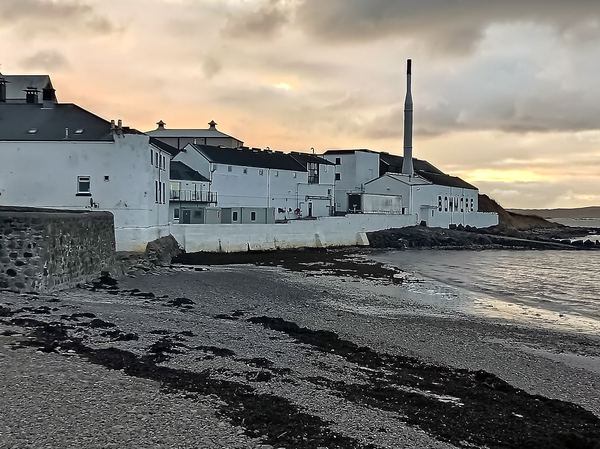
Bowmore Hotel
Bowmore town centre
from £130/night
 8.4
8.4
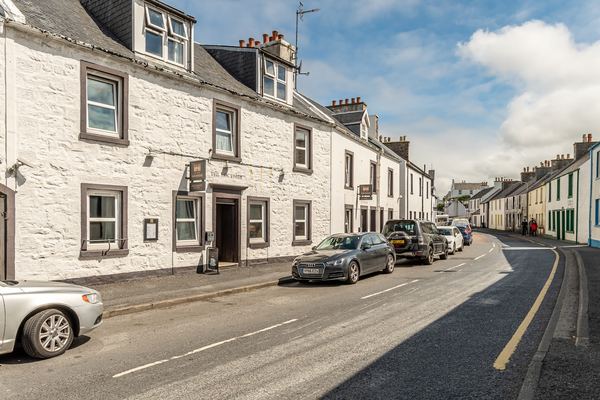
Lochside Hotel
Bowmore harbourfront
from £120/night
 9.5
9.5
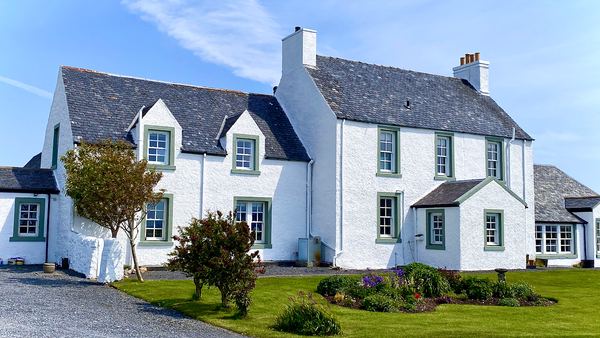
Glenegedale House
Glenegedale, between Bowmore and Port Ellen
from £195/night
 9.6
9.6
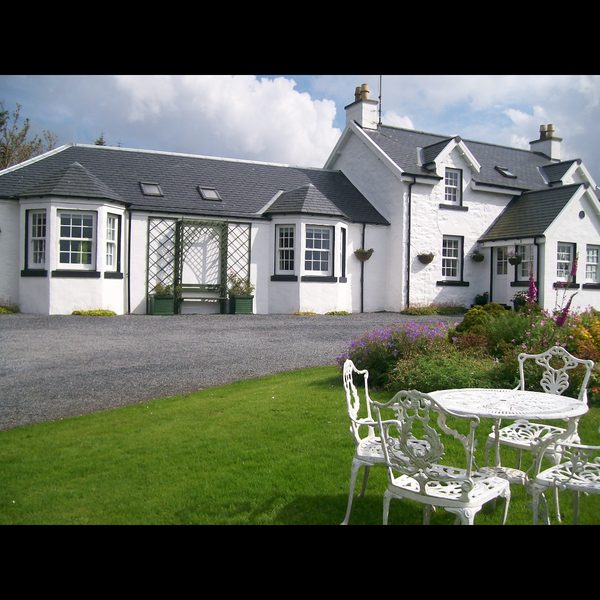
Kilmeny Country House
Ballygrant, near Port Askaig
from £180/night
 8.3
8.3
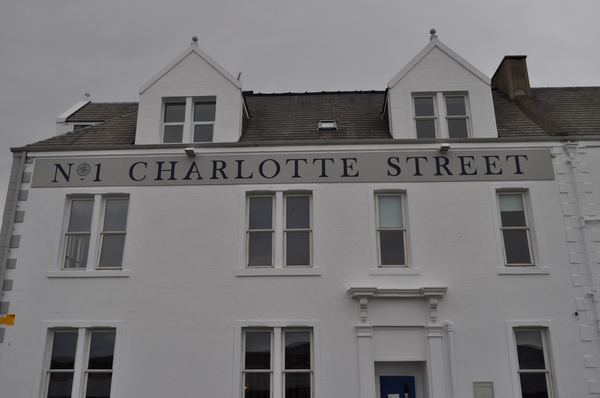
No.1 Charlotte Street
Port Ellen, overlooking Kilnaughton Bay
from £95/night
Port Charlotte Hotel
Port Charlotte, Loch Indaal
from £175/night
Things to Do in Isle of Islay
All attractions in Isle of Islay →Top things to do in Isle of Islay
Islay rewards a slow pace, with distilleries, beaches and archaeology all within easy driving distance of each other.
- Laphroaig Distillery produces one of the most distinctively smoky whiskies in Scotland and runs tours down to the malting floor and warehouse where casks mature within sight of the sea.
- Ardbeg Distillery sits at the end of the Three Distilleries Pathway from Port Ellen and pairs serious peated whisky with a well-regarded café in the old kiln building.
- Kilchoman Distillery is Islay's only true farm distillery, growing, malting, distilling and bottling much of its whisky on the same working farm near Machir Bay.
- Finlaggan, the ruined seat of the medieval Lords of the Isles, sits on a small island in a loch near Ballygrant and can be reached by a short causeway walk.
- The Big Strand, a seven-mile beach of pale sand backing Laggan Bay, is one of the longest and least crowded in Scotland, popular with surfers and dog walkers alike.
- The Oa Peninsula offers dramatic clifftop walking out to the American Monument, raised to commemorate two troopships wrecked offshore in 1918.
- RSPB Loch Gruinart is one of Britain's best birdwatching reserves, drawing tens of thousands of barnacle and white-fronted geese each winter alongside choughs, hen harriers and otters.
- The Museum of Islay Life in Port Charlotte traces the island's story from Mesolithic hunter-gatherers through Clan Donald to the whisky boom, in a converted 19th-century church.
Where to Eat in Isle of Islay
All restaurants in Isle of Islay →Food and drink in Isle of Islay
Seafood dominates Islay's tables, with Islay scallops, langoustines and oysters landed at Port Ellen and Portnahaven appearing on menus across the island, often within hours of being caught. The Ardbeg Café serves simple, well-made lunches beside the distillery's kiln, while the Port Charlotte Hotel and the Harbour Inn in Bowmore are both known for kitchens that make the most of local fish and Islay lamb. Whisky, inevitably, runs through island life beyond the distillery tours themselves; the Lochside Hotel in Bowmore keeps one of the most extensive collections of Islay and Jura single malts anywhere, and most village pubs pour a serious dram list. The Islay Ales brewery, based near Bridgend, supplies cask beer to bars across the island, and a small farmers' market and regular pop-up food stalls in Bowmore square sell island cheese, baking and preserves through the summer months.
Attractions Near Isle of Islay
All attractions in Isle of Islay →Worth the trip — within 50 miles of Isle of Islay.
 8 mi
8 mi
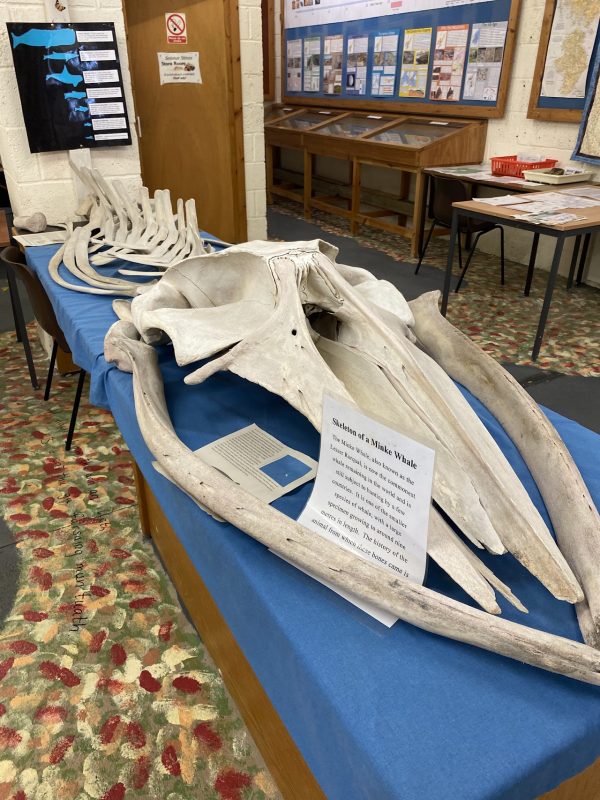
Islay Natural History Trust
Kilmartin · ⭐ 5.0
 25 mi
25 mi
Kiloran Beach
Isle of Colonsay · ⭐ 4.9
 27 mi
27 mi
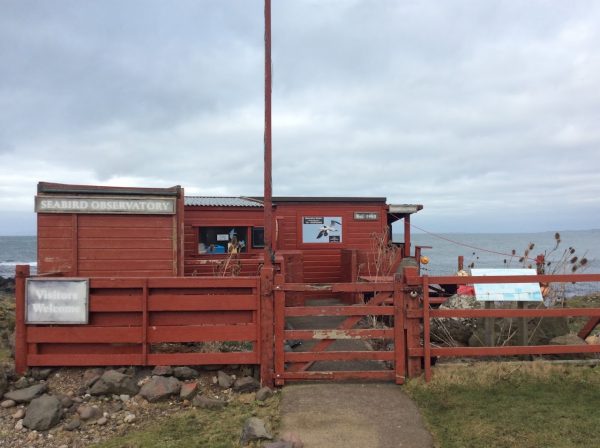
Machrihanish Seabird Observatory
Machrihanish · ⭐ 4.4
 28 mi
28 mi
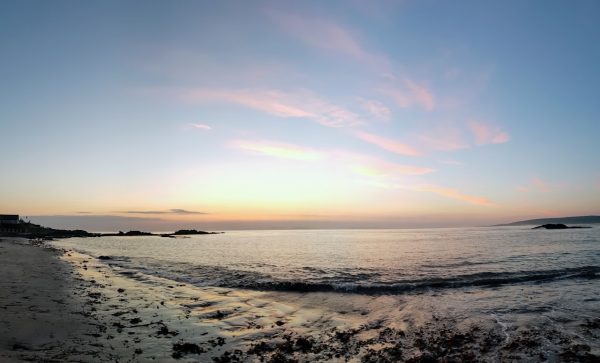
Machrihanish Bay
Campbeltown · ⭐ 4.7
 29 mi
29 mi
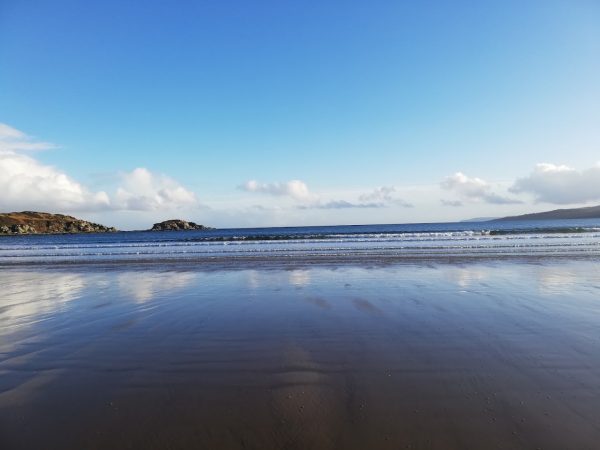
Carradale Beach
Campbeltown · ⭐ 4.7
 34 mi
34 mi
Crinan Canal Cruises
Lochgilphead · ⭐ 5.0
 36 mi
36 mi
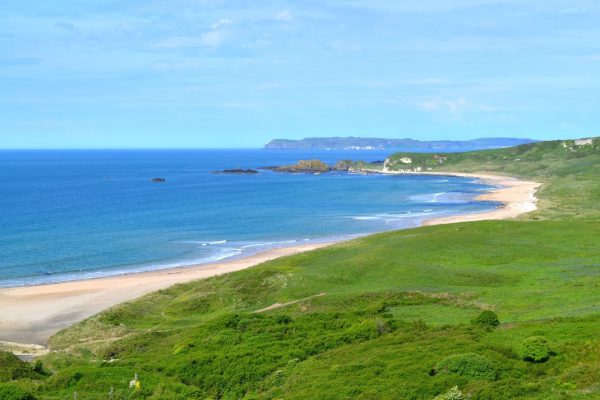
White Park Bay Beach
Ballycastle · ⭐ 4.9
Ballycastle Beach
Ballycastle · ⭐ 4.8
Camping in Isle of Islay(5)
All campsites in Isle of Islay →About camping in Isle of Islay
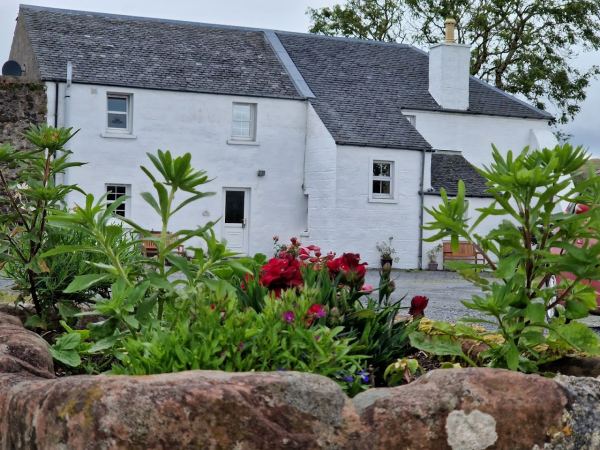
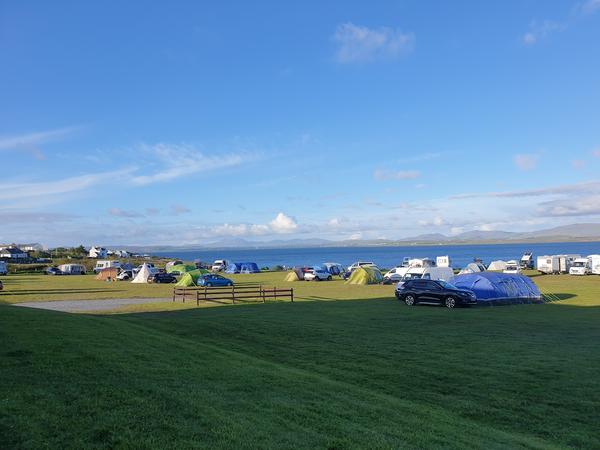
Camping on Islay is a modest but genuine option, with a small number of sites spread around the island rather than the dense clusters found in more heavily touristed parts of Scotland. Facilities tend to be simple and the number of pitches limited, which suits the island's quiet, unhurried character but means advance booking is strongly advised, particularly around the Fèis Ìle festival in late May and through the main summer season. What campers gain in return is direct access to some of the best scenery in the Hebrides, from views over the Sound of Islay to the Paps of Jura, to a beach a few minutes' walk from the tent.
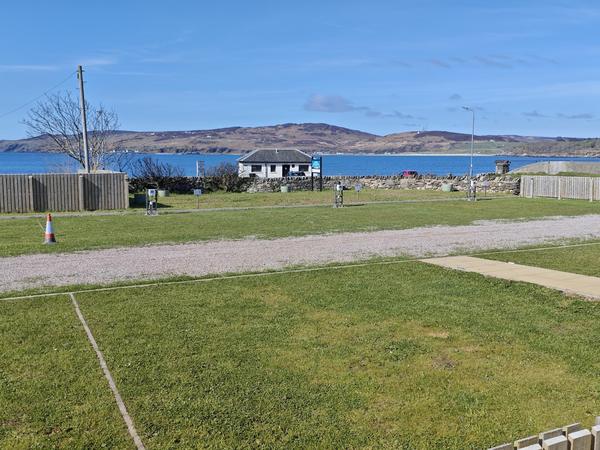
Port Charlotte's community-run site sits right on the shore of Loch Indaal, within easy reach of the village's beach, museum and pub, and is the most fully equipped of the island's options, with showers, laundry and a café on site. Further north, working farms near Port Askaig offer a simpler, more traditional style of camping, often including a cooked breakfast as part of the stay, close to the ferry crossing for Jura and the Sound of Islay's fast-flowing waters. Near Port Ellen, a small motorhome park caters specifically to camper vans and caravans wanting an electric hook-up within walking distance of the ferry terminal and the southern distilleries.
Whichever site you choose, a car is essential for reaching distilleries, beaches and walks beyond the immediate village, since public transport on Islay is limited and does not run on Sundays. Midges can be troublesome on still summer evenings, particularly inland, so most campers find the more exposed, breezier coastal sites more comfortable in high summer. Outside the main season, several sites reduce services or close altogether, so it is worth checking directly before travelling in spring or late autumn.
Self-Catering Cottages in Isle of Islay
All cottages in Isle of Islay →Ashley Cottage
1 bed · sleeps 2 · from £383
Burnside Cottage
2 bed · sleeps 4 · from £927
Kilchoman Apartment
1 bed · sleeps 2 · from £1,048
Saligo Apartment
4 bed · sleeps 8
Seafront Church
4 bed · sleeps 9 · from £3,222
Tigh na Maraiche
1 bed · sleeps 2 · from £333
Rhunahaorine Cottage
2 bed · sleeps 4 · from £667
Haagwood Cottage
2 bed · sleeps 4 · from £477
Common questions about Isle of Islay
How many campsites are there in Isle of Islay?
We list 5 campsites in and around Isle of Islay, of which 4 take tents and 1 offer glamping.
Are there dog-friendly campsites in Isle of Islay?
Yes — 3 of the 5 campsites we list in Isle of Islay accept dogs, including Port Mòr Campsite and Persabus Farm Campsite.
Which campsites in Isle of Islay have electric hook-up?
2 of the 5 campsites we list in Isle of Islay offer an electric hook-up.
Where can I stay in Isle of Islay?
We list 8 hotels, B&Bs and guest houses in and around Isle of Islay. Prices start from around £95 a night.